
ThinkingBox tests repeatability of Claude Opus 5.5
ThinkingBox compares average completion and repeated success
Accessibility Adjustments
Use these optional tools to adjust reading and display preferences. These tools cannot resolve every accessibility barrier. Please contact the website owner if you need assistance.
AI research explains how machine learning systems improve and where their weaknesses remain. ByteForward follows research papers, model evaluations and scientific applications with attention to methods, evidence and practical consequences. Topics include reasoning, training approaches, multimodal learning and the use of AI in scientific discovery. A promising result needs context about the dataset, comparison systems and conditions under which it was measured. We look at those limits so readers can distinguish a research finding from a capability ready for everyday use. Our AI safety and security coverage examines how researchers test reliability, misuse risks and defenses. For research that moves into products, follow the developments in AI models. Read the articles below for clear explanations of new AI research and the questions that determine whether its results will hold up beyond the paper.
ThinkingBox compares average completion and repeated success

Microsoft’s evaluation separates trace linkage from reliable agent diagnosis

The Kyoto declaration backs broader research access and funding experiments, while leaving budgets and delivery schedules unspecified
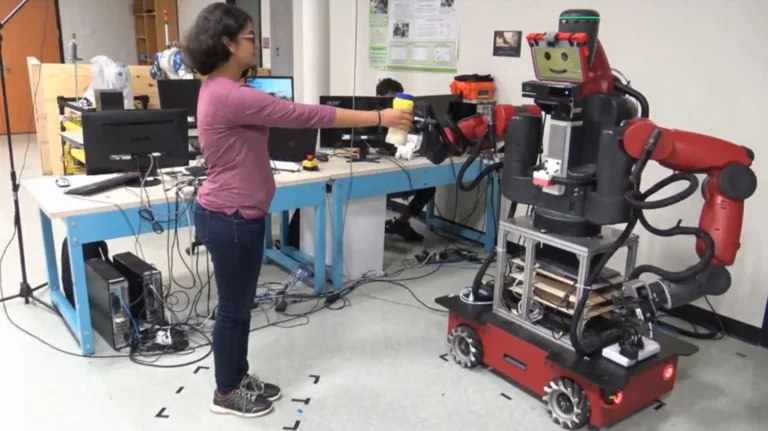
Robot recovery research reports gains across four physical tasks
Meta updates its framework with training controls and open weight considerations
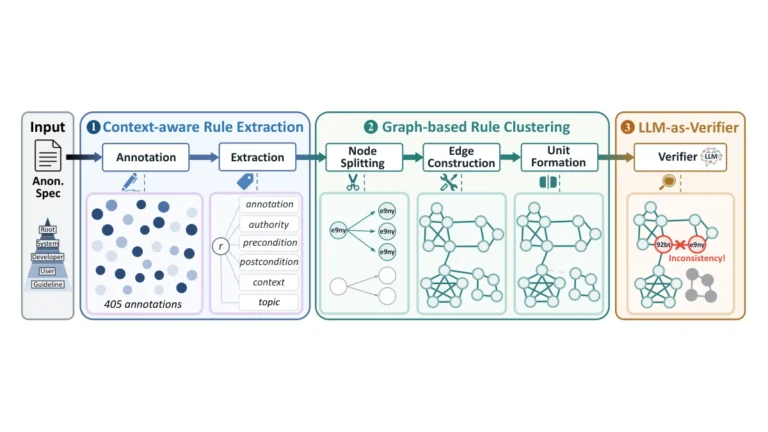
VeriSpec checks written AI rules and leaves final judgments to reviewers
Synthetic respondents overstated certainty and missed human answers

Claude Code 2.1.289 repairs policy checks and extends teammate events
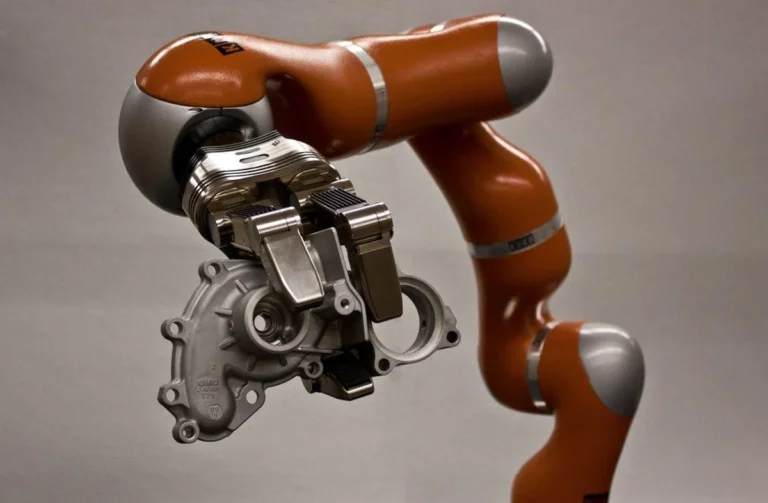
Researchers improve robot skills and prompts in simulation

Puzzle study separates useful warnings from weak model signals
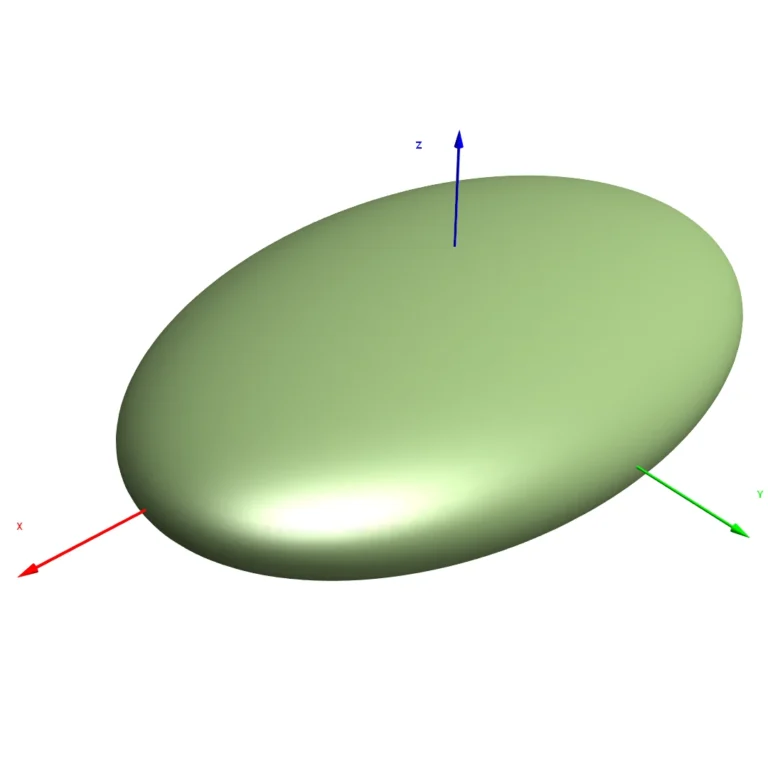
Meta shares human guided research with labeled AI contributions and acknowledged earlier results

RSA plans a November release for agent discovery and access controls, with broader governance scheduled for 2027
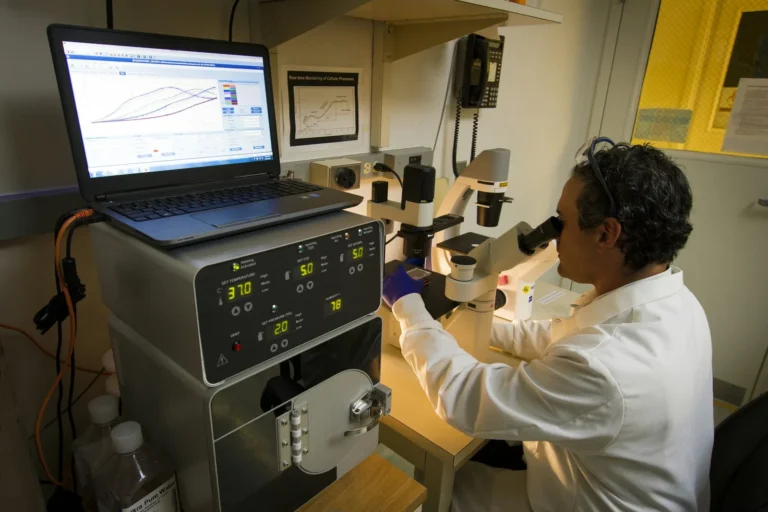
Microsoft’s Quine combines biological models and lab feedback, with early compound ranking results and access limited to selected researchers

Microsoft tests composite agent evaluations while preview documentation details strict pass rules and limits on supported tools
Trillium Labs plans to publish open AI training recipes, data and checkpoints. Here is what the new nonprofit has announced and what remains ahead.
Microsoft’s annual security report separates controlled AI evaluations from observed intrusions and emphasizes identity controls.

A new paper tests a simple safety scoring shortcut. Adding a reference improves ranking, while deployment limits remain substantial.

An October 1 manuscript extends VISTA testing beyond public ARC games. Its earlier perfect score still leaves private benchmark generalization unresolved.

AISI’s October 1 update describes stronger network restrictions, monitoring and checks before testing. Further infrastructure work remains underway.

Anthropic’s October 2 snapshot reports more findings sent to maintainers, with separate review and patch counts that need careful interpretation.

Apple says future macOS controls will require explicit action before apps receive Full Disk Access, citing growing risks from autonomous AI agents.

An independent comparison highlights sustained speed and compression tradeoffs on a 16GB MacBook Air.

Arena’s October 2 addition puts GPT 6.1 Sol alongside its predecessor, with a lower observed median task cost and uncertainty that matters for interpretation.

Arena details a training recipe that combines human preferences with checks on image instructions. Its new disclosure uses older leaderboard results.


