
Sonnet 5.5 enters Agent Arena with a task cost tradeoff
New Agent Arena results place Sonnet 5.5 near the top while showing why effort settings and measured task spending matter alongside token prices.
Accessibility Adjustments
Use these optional tools to adjust reading and display preferences. These tools cannot resolve every accessibility barrier. Please contact the website owner if you need assistance.
AI research explains how machine learning systems improve and where their weaknesses remain. ByteForward follows research papers, model evaluations and scientific applications with attention to methods, evidence and practical consequences. Topics include reasoning, training approaches, multimodal learning and the use of AI in scientific discovery. A promising result needs context about the dataset, comparison systems and conditions under which it was measured. We look at those limits so readers can distinguish a research finding from a capability ready for everyday use. Our AI safety and security coverage examines how researchers test reliability, misuse risks and defenses. For research that moves into products, follow the developments in AI models. Read the articles below for clear explanations of new AI research and the questions that determine whether its results will hold up beyond the paper.
New Agent Arena results place Sonnet 5.5 near the top while showing why effort settings and measured task spending matter alongside token prices.

Ai2 releases an open training stack with larger expert pools, detailed performance tests and migration changes for teams building sparse models.

Ai2 opens its scientific report model and training data, with faster generation, older evaluation baselines and different licenses for weights and data.

New research reports a citation decline in retail and travel prompts without establishing why.

ServiceNow reports improved enterprise task performance using generated training examples.
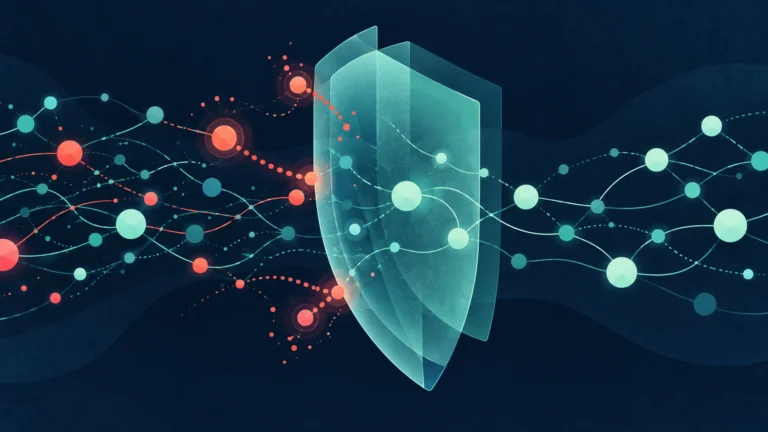
New research examines a more selective approach to screening biological AI work.

A new preprint describes a security assessment method that connects recorded software controls with explicit and repeatable scoring rules.

An October 1 preprint studies when an AI result can be checked without exposing the confidential information behind it.

A new preprint examines how learned connections between AI agents can change safety behavior even when the underlying models stay fixed.

Eni and Generative Bionics will assess humanoid use cases, robot materials and computing support under a new research and industrial agreement.
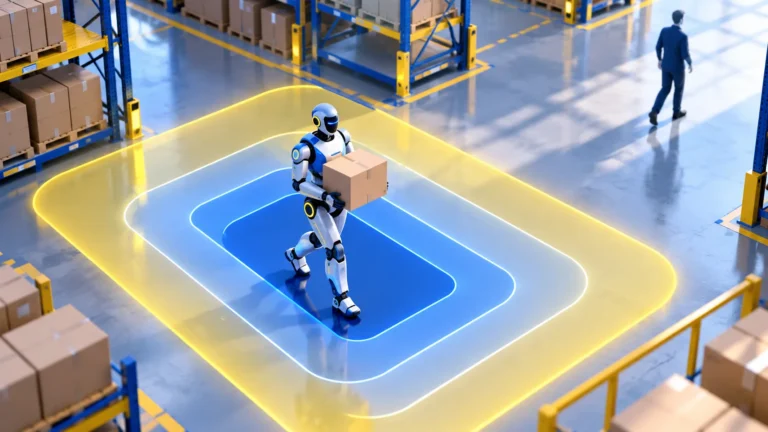
Agility and FORT plan to connect Digit 5 with external safety systems through an expanded partnership that still requires definitive agreements.

Google finds a different mix of vulnerabilities in AI attributed research, with important limits on what the comparison proves.

The CDC ranks Google’s flu forecasting system first among 39 eligible models. The result concerns hospital admission forecasts across a defined season.

Google confirms contact with its Suncatcher prototype after launch. The mission will test how AI hardware handles radiation and cooling in orbit.

Matthew Schwartz releases a toolkit built around checkable calculations and human direction

New research compares demonstrated robot capability with deployment economics
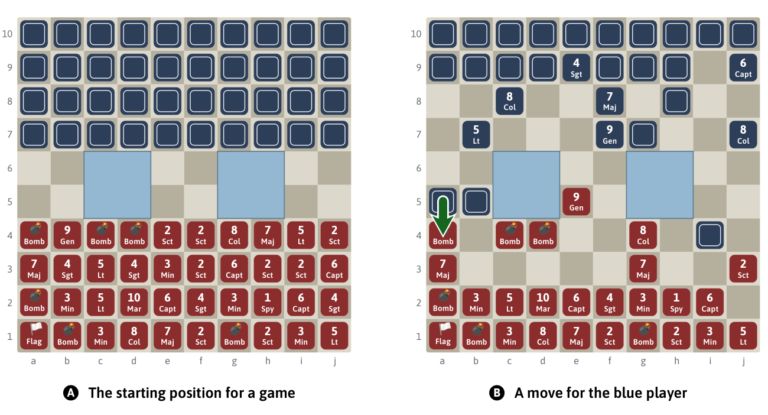
The expanded Ataraxos study tests its approach in three more games, with separate evidence for human competition and AI benchmarks.

Independent Gemini 4 Argon tests show a strong Vals Index result and a close Astra comparison, with important pricing and game control limits.
OpenAI outlines Private Intelligence and a fall Private Inference preview. Its safety processing documentation clarifies retention duties and protection boundaries.
Codex Security Cloud scans GitHub repositories and monitors new commits. Its documentation explains validation, proposed patches and public review visibility.
Anthropic is asking Claude users what they want from AI. The study runs through October 6 and lets participants choose whether to publish their interviews.

Google and Ohio State plan research access, campus AI tools and a student ambassador program. The agreement builds on the university's existing AI curriculum.
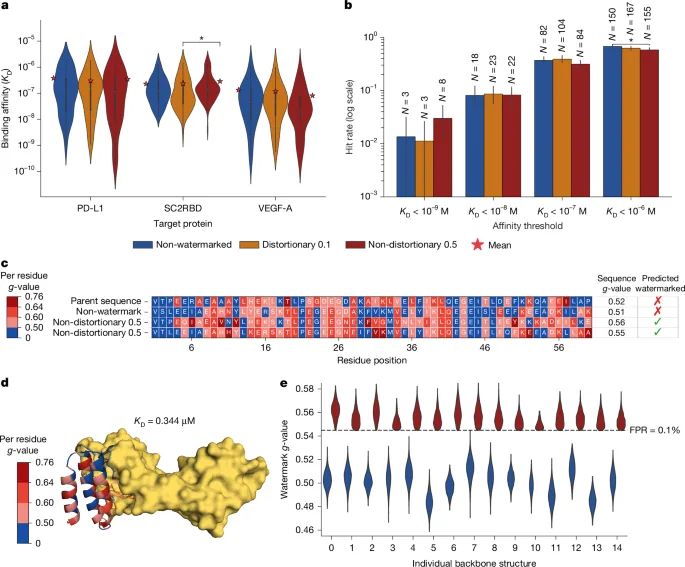
Google DeepMind’s SynthID Bio marks AI designed proteins while preserving function in lab tests. Here is what the study establishes and what still needs work.

Encrypted chain-of-thought was supposed to hide proprietary reasoning from competitors and keep sensitive intermediate steps off the public page. A new paper shows those opaque blocks were portable enough that a weaker model in the same provider family could spit…


