
HuatuoGPT 3 study expands medical reinforcement learning tests
An expanded HuatuoGPT 3 paper reports medical benchmark gains while warning that clinical validation remains necessary.
Accessibility Adjustments
Use these optional tools to adjust reading and display preferences. These tools cannot resolve every accessibility barrier. Please contact the website owner if you need assistance.


AI research explains how machine learning systems improve and where their weaknesses remain. ByteForward follows research papers, model evaluations and scientific applications with attention to methods, evidence and practical consequences. Topics include reasoning, training approaches, multimodal learning and the use of AI in scientific discovery. A promising result needs context about the dataset, comparison systems and conditions under which it was measured. We look at those limits so readers can distinguish a research finding from a capability ready for everyday use. Our AI safety and security coverage examines how researchers test reliability, misuse risks and defenses. For research that moves into products, follow the developments in AI models. Read the articles below for clear explanations of new AI research and the questions that determine whether its results will hold up beyond the paper.
An expanded HuatuoGPT 3 paper reports medical benchmark gains while warning that clinical validation remains necessary.

The edition tests agents against cybersecurity job roles.

A new workshop report examines how agents should handle changing tasks and data sharing.
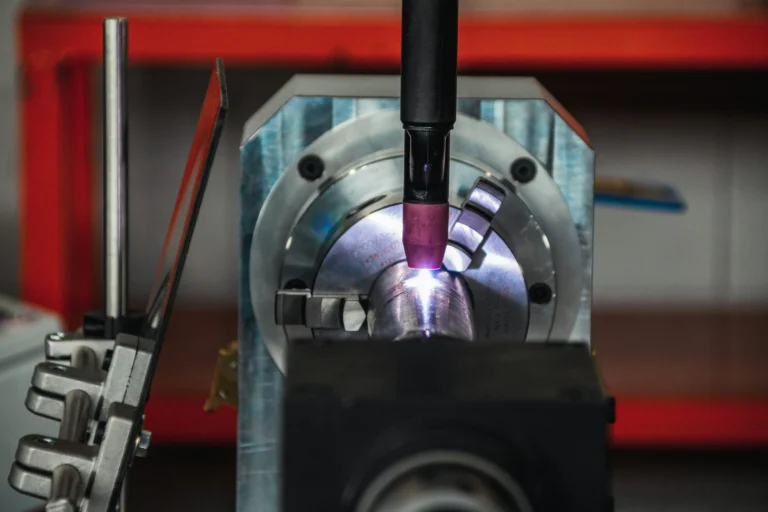
The Korean research programs cover local robot computing and automated welding.

The research preview combines visual generation and understanding within shared context.

A September check of three synthetic images found uneven use of embedded provenance, with important limits on what the results establish.

The evaluator tests security boundaries before measuring a model’s cyber capabilities.

Claude Code 2.1.290 fixes permission enforcement and task recovery with a compaction limit.

Its employer data shows rising mentions of applied AI skills and a decline in foundational skills from their peak.

The offering combines Rubrik controls with LTM assessments, deployment and ongoing governance.

The collaboration links network protections with software fixes. Zscaler’s shield remains in early access.

API customers can enable textGrain for selected models. OpenAI also plans an EU rollout for ChatGPT and Codex in the coming weeks.
A robotics study tests direct video pretraining before labeled robot adaptation
A distillation study measures the tradeoff between robot policy speed and success
Human video training improves a manipulation model in simulated tests
A Keio study tests a shared motion representation across robot demonstrations

More flexible delegation raised benchmark scores and the cost per task.
Hello Robot outlines a new research phase with home studies and care staff evaluations
Experimental API credits leave providers able to see prompts
C1 details credential vending and destination controls while its linked AppHub code still requires production validation

Memory checks reduce attacks in a controlled agent study
Runtime selection leads a small AI scientist comparison

Graphite compares Opus 5.5 with human writing on 9,974 topics

BlackFog introduces prompt checks and optional auditing as ADX Vision expands into AI agent workflows


