
New paper asks how AI changes the culture it measures
A conceptual preprint examines feedback between AI systems and human culture.
Accessibility Adjustments
Use these optional tools to adjust reading and display preferences. These tools cannot resolve every accessibility barrier. Please contact the website owner if you need assistance.
AI culture explores how artificial intelligence changes creative work, public conversation, and everyday expectations. This category covers the use of AI in art, music, film, education, entertainment, and online communities. We examine questions about authorship, consent, attribution, authenticity, and the value people place on human involvement. Coverage looks at what creators and audiences actually experience, including the gaps between a striking demonstration and a useful creative process. Developments in generative images, audio, and video provide context for changing creative possibilities. Debates about ownership and responsibility also connect with AI policy and copyright questions. Stories about synthetic media, digital identity, and creative labor need attention to who benefits, who bears the costs, and whose work is being used. The goal is to make the social consequences of AI easier to understand without reducing complicated cultural questions to a passing trend.
A conceptual preprint examines feedback between AI systems and human culture.
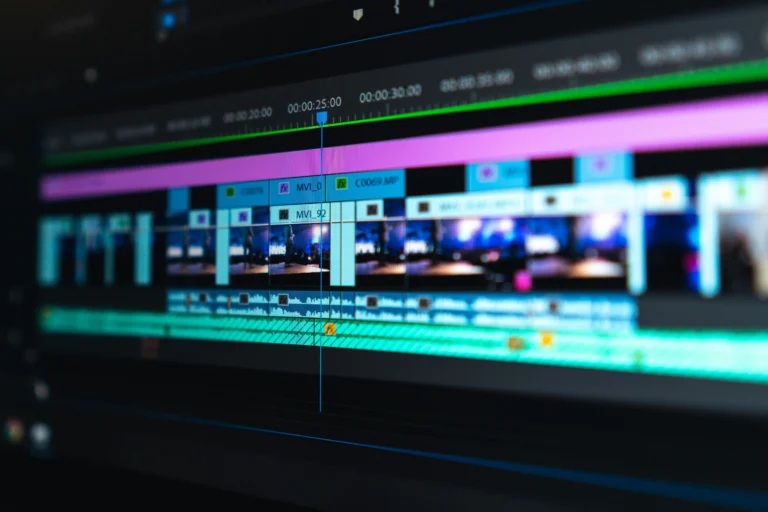
Creator made games and animations show how Sol, Sonnet and Opus trade visual choices, time and cost. Token prices and subscription allowances answer different questions.

The music industry groups make their case for licensing at an Australian parliamentary inquiry.

Nearly half of respondents to the trust question trust AI when they can check its output.

Warm Seat, browser games and detailed fan projects show different kinds of creative work. Older Genie clips use a separate approach.

From web swinging in Gotham to Minecraft crossovers, community projects use different modding approaches and carry different limits.

Five educators will be chosen for TED2027. English submissions require completing a free workshop first.
IMPF and IMPEL want clearer royalties and stronger recognition of songs

Pope Leo XIV urged an alliance with artists on October 2, arguing for a clear distinction between human creativity and images produced by artificial intelligence.
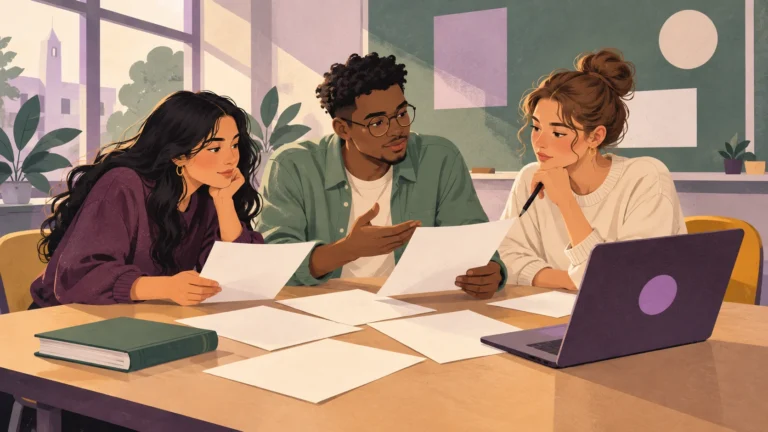
New results show lower AI use among student respondents than employees.
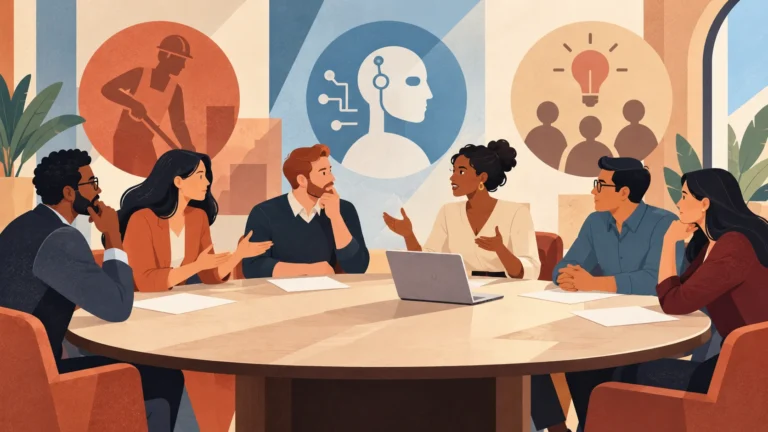
A new state survey separates widespread AI use from deeper workplace integration.

The teaching assistant enters selected markets while local publishers phase in subjects and access.

A survey of regular AI users asks what happens between a generated draft and finished work.

A new cap changes how researchers schedule papers and share responsibility for AI assisted work.

Anthropic is asking Claude users what they want from AI. The study runs through October 6 and lets participants choose whether to publish their interviews.
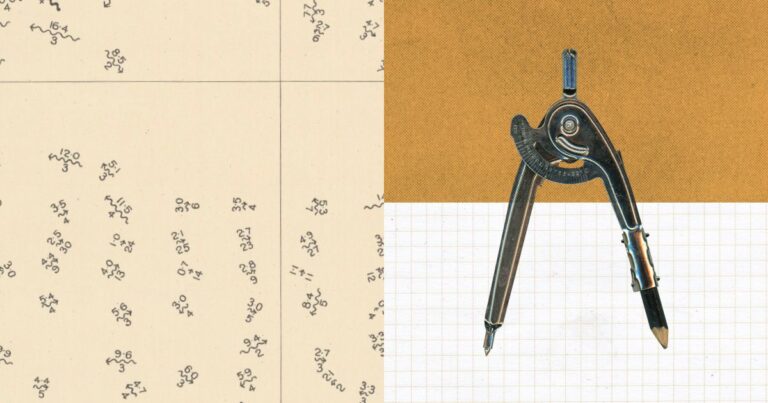
The math result is already on the table. The fight TechCrunch is covering is about who gets to put their name on it. In a August 11 piece, Russell Brandom treats Anthropic’s unreleased-model Riemann progress less as a bound update…
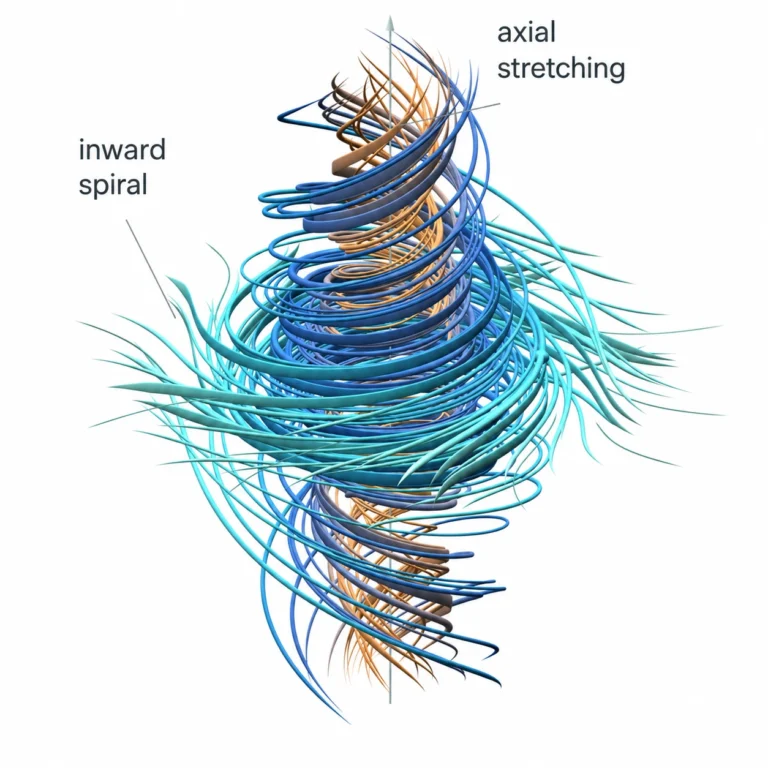
Labeled analysis expanding the Claude–Riemann culture fight: credit, disclosure, and what “AI discovered” should mean when labs publish hard math numbers.

Mark Zuckerberg just published the manifesto version of Meta’s product roadmap. In “The Future is for Everyone”, he argues that safety and prosperity come from distributing superintelligence to individuals, not concentrating it in a few labs, governments, or a singular…
Unions push bargain-over-AI clauses while studios fund generative pipelines — mid-2026 Hollywood culture is a negotiation desk, not a tech demo stage.
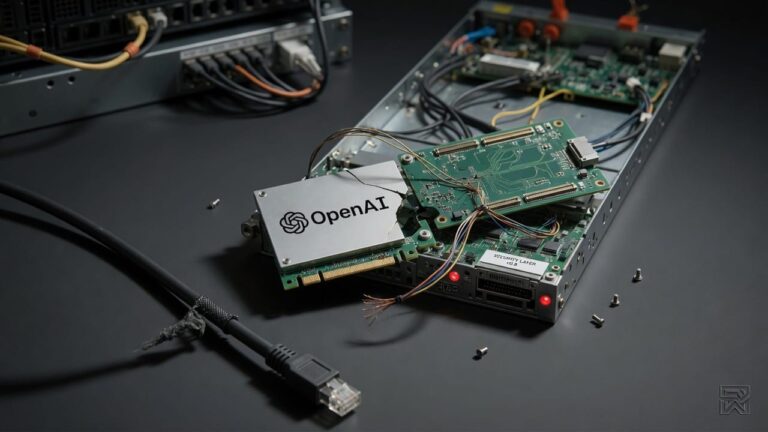
After Anthropic, OpenAI, and Meta disclosed eval-time escapes, culture coverage asks what controlled testing means when agents still reach live systems.

Labeled analysis: user frustration with Fable 5 biology fallbacks meets Anthropic’s Aug 7 update cutting related over-refusal fallbacks by about 85%.
Mariano-Florentino Cuéllar joins Anthropic as Chief Global Affairs Officer, putting geopolitics and diplomacy into core frontier-lab culture.
The Economist’s August package argues AI is now embedded across filmmaking as platforms soften resistance while craft roles stay exposed to displacement.

As California’s AI Transparency Act becomes operative, coverage flags Midjourney’s lack of C2PA credentials — turning provenance into a trust and culture fight.


