
AutoE2E opens driving research weights, with non-commercial limits
AutoE2E v1.0 releases a compact research planner. Check its non-commercial weights, open-loop benchmark limits and unfinished world-model layers.
Accessibility Adjustments
Use these optional tools to adjust reading and display preferences. These tools cannot resolve every accessibility barrier. Please contact the website owner if you need assistance.


Robotics brings AI into physical environments where movement, timing, and reliability matter. This category covers embodied AI, robot learning, navigation, manipulation, and control across machines built for homes, workplaces, and industrial settings. We examine how robots use sensors, interpret their surroundings, plan actions, and recover when conditions change. Coverage asks what a demonstration establishes, how much human assistance it requires, and which tasks remain difficult outside a controlled setting. Advances in AI research help explain progress in simulation, imitation learning, and the transfer of learned skills to physical hardware. Connections with AI agents that plan and execute tasks add context to questions about autonomy and oversight. Real world deployment also depends on safety, maintenance, energy use, cost, and the ability to operate around people. Readers can use this coverage to judge what a robot can do today and what evidence is still needed before a promising capability becomes dependable.
AutoE2E v1.0 releases a compact research planner. Check its non-commercial weights, open-loop benchmark limits and unfinished world-model layers.

Path Robotics' $300M Series E funds expansion beyond welding. Here is what Obsidian already does, what Rove changes and what factories still need to verify.
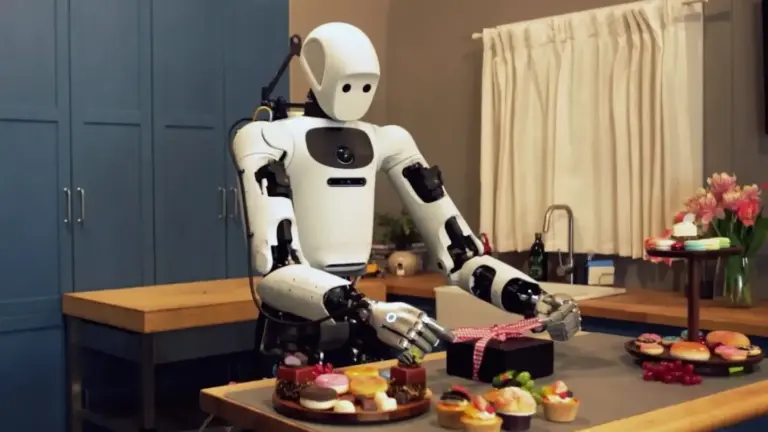
Google is rolling out Gemini Robotics 2.5 to partners. Here is what its factory results mean and how access differs from Robotics ER 2.
Compare four Cosmos 3 simulation checkpoints, their control inputs, hardware claims and license terms before planning a driving or robotics pilot.
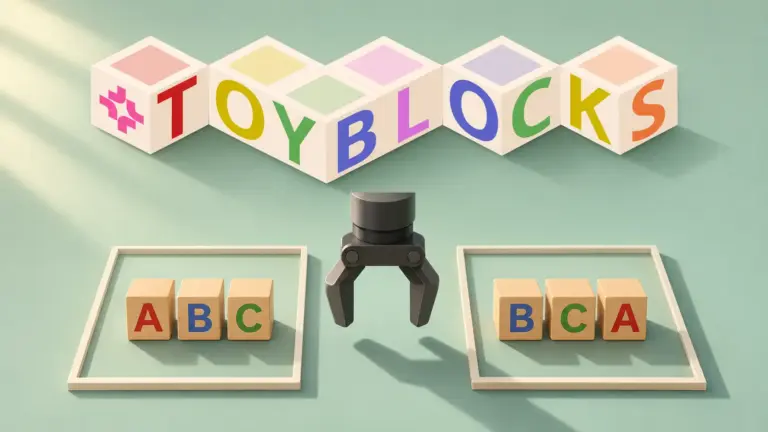
ToyBlocks gives researchers repeatable robot tasks, generated demonstrations and two trained policies. Hardware requirements, evaluation settings and separate licenses shape how to use it.
LeRobot 0.7.0 adds live robot steering and remote inference. Check old FSDP checkpoints, Trackio privacy, streaming resume and model licenses before upgrading.
RoboAPI offers robot-action inference, but preview eligibility, camera geometry and controller integration matter before a lab can use it.

MotionBricks now has SOMA models and Python tools. Here is what ships, what its RTX 4090 timings measure and why the Unreal research demo is not included.
Schaeffler and Wandelbots plan reusable robot skills across factories. NOVA connects virtual testing with deployment, but hardware and safety work remain.
Formic’s financing combines equity and debt as it expands factory robotics. Its humanoid offering remains focused on selected customer pilots.
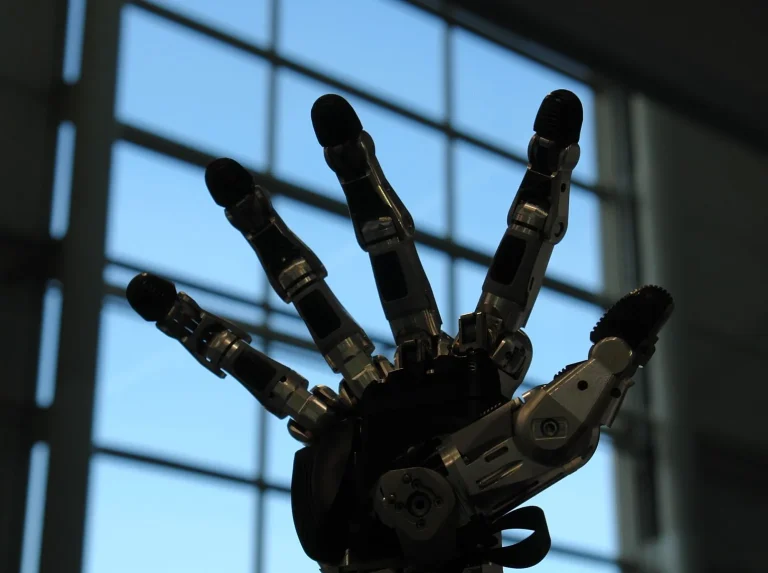
AdaDex combines human motion references with randomized training goals.
UniWALM reports a gain on a small robot memory test.
Researchers report efficient humanoid motion tracking, with a benchmark built from training motions.
Google’s VERID research puts persistent laboratory state and simulation between AI agents and physical equipment, with human oversight still central.
Three skills target setup and quality checks.
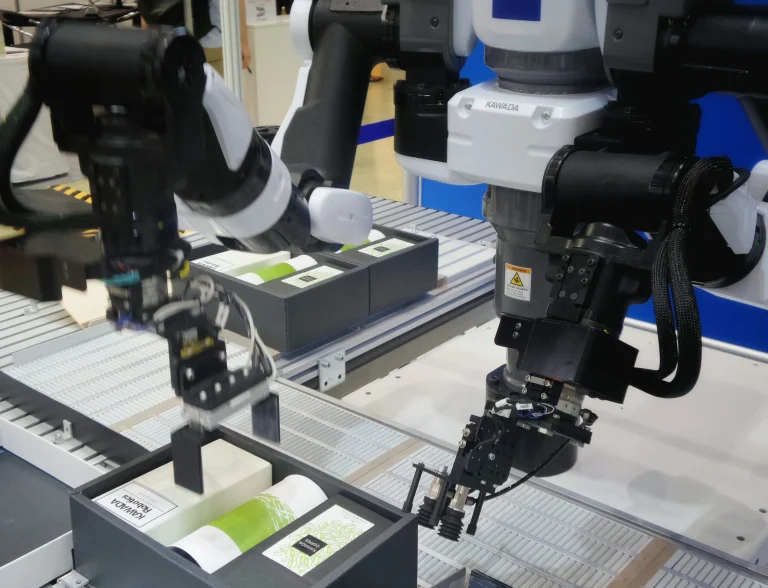
A tabletop benchmark puts robot scores in context.
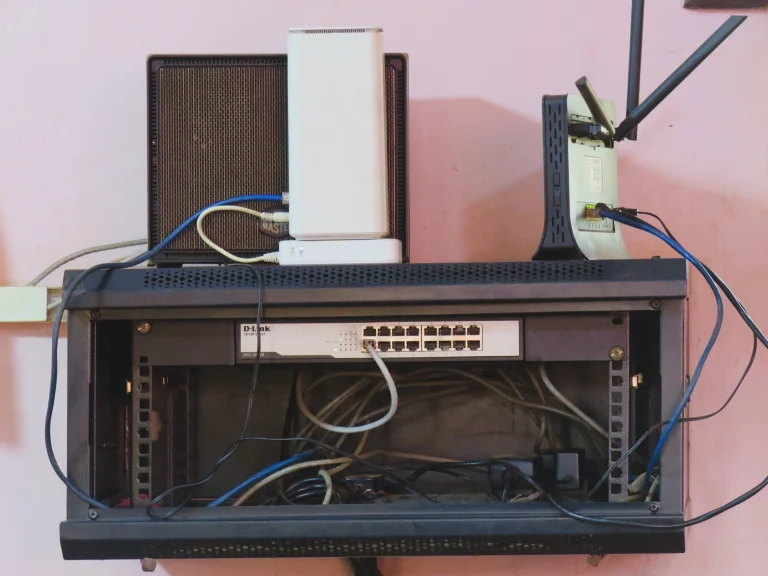
FORT launches software for combining robot network links, with direct customer integration.
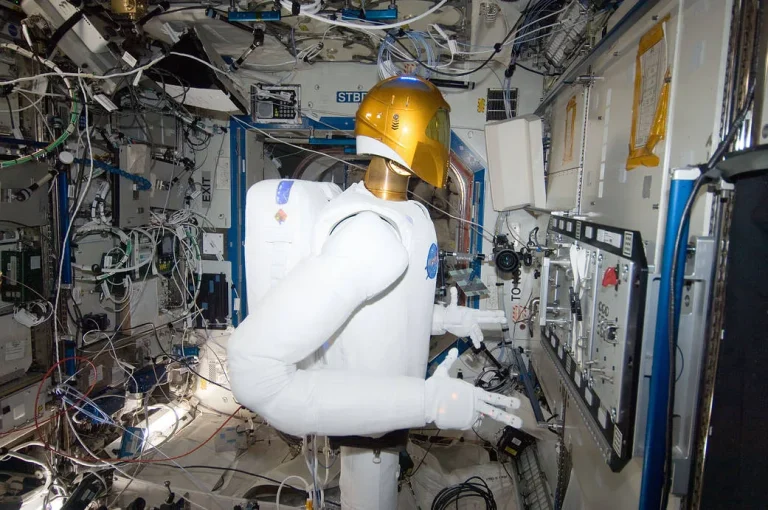
Sber’s GreenWAM preprint combines robot prediction and control. Its released benchmark checkpoints come with limits on testing, training access and reuse.
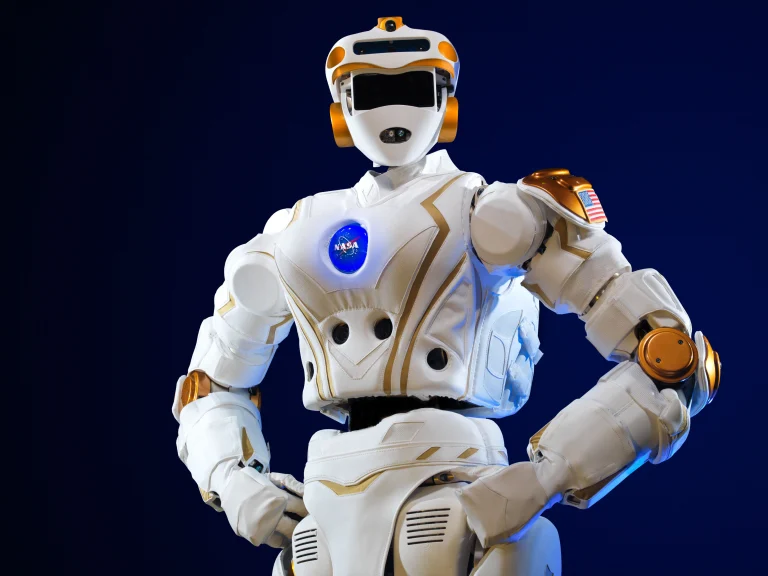
The robotics service moves model adaptation into managed infrastructure. Developers still need a clear pilot and a tested integration.
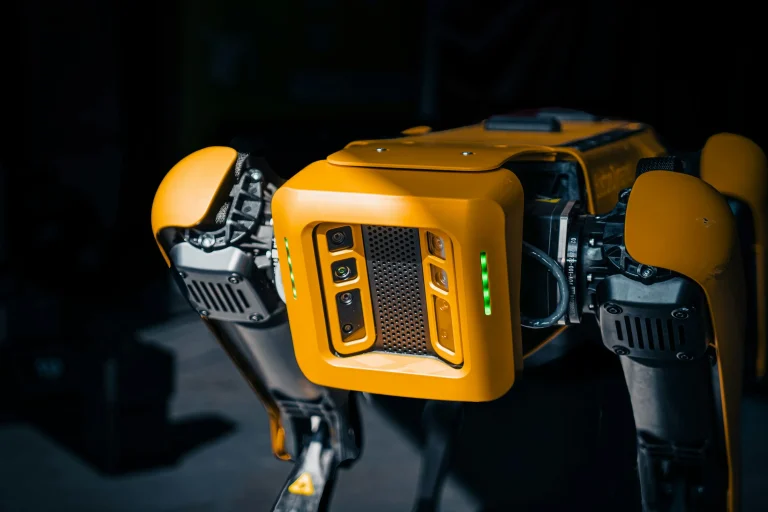
ByteForward examines Gemini 4 Argon through editable 3D projects, robotics experiments and the safety limits that matter when agents keep trying.

The robotics model learns from human experience, with important qualifications around tuning and evaluation.

PhoneBot combines smartphone computing with a biped. Its tests and hardware limits need separate scrutiny.
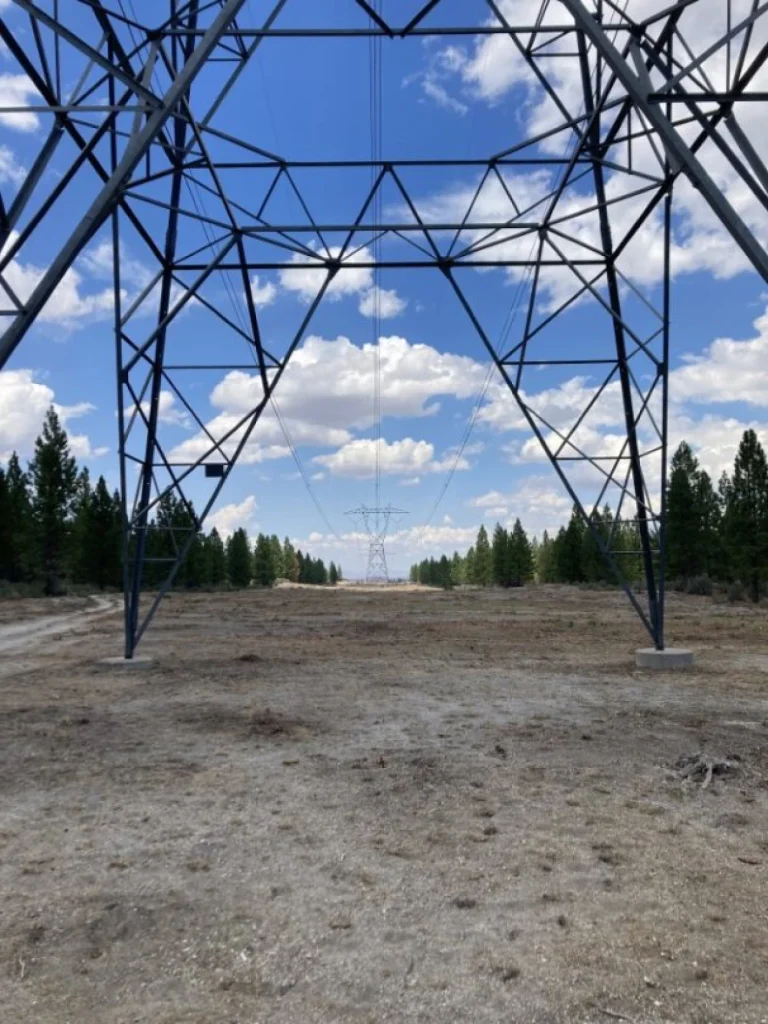
The French company plans a larger airship fleet for inspecting critical infrastructure.
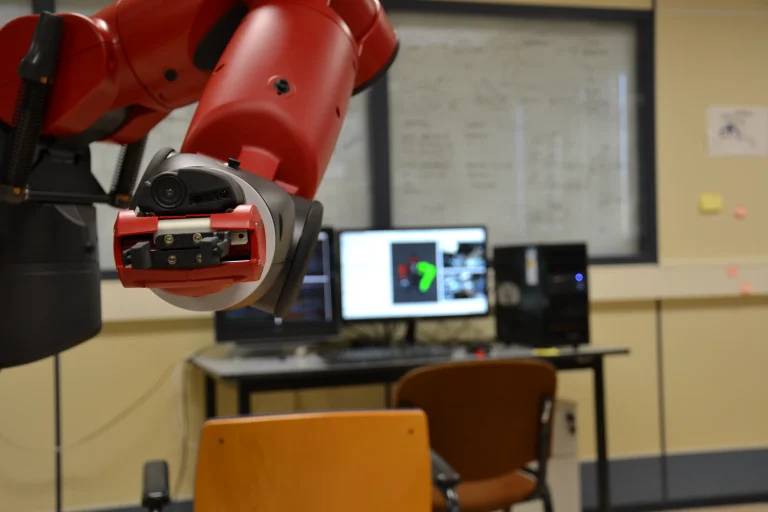
VPP2 opens a training stage that uses earlier observations to prepare its RoboDojo robot policy.


