
Ideogram 4.6 adds native 4K and more precise image edits
Ideogram 4.6 adds native 4K generation and a targeted editing API. Compare generation and edit prices, size limits and app credits.
Accessibility Adjustments
Use these optional tools to adjust reading and display preferences. These tools cannot resolve every accessibility barrier. Please contact the website owner if you need assistance.


Generative media covers the AI systems used to create and edit images, video, speech and music. ByteForward follows creative model releases and product updates with attention to what creators can control and where results remain unpredictable. Topics include text to image generation, AI video tools, voice synthesis and the workflows that connect them. Output quality is only part of the picture when a project also depends on consistency, editing flexibility and generation time. Access limits, pricing and licensing terms help determine whether a tool fits a particular creative use. Our AI model release coverage tracks new systems and the practical details of their rollout. Explore AI culture and society for reporting on how generated media affects creative work, audiences and trust. Browse the stories below to understand both the possibilities and the constraints behind the latest generative AI media tools.
Ideogram 4.6 adds native 4K generation and a targeted editing API. Compare generation and edit prices, size limits and app credits.
Apple and Cornell researchers measured sub-50 ms video responses on NVIDIA B200 hardware. See what that figure includes and where to get the research weights.
Figma and Stanford researchers test motion editing across 32 AI models. Here is what the scores measure, how to inspect failures and where reuse limits apply.

Baidu adds two distinct ERNIE APIs: Lightning for long-context reasoning and Wizshot for portrait video. Here are the prices, inputs and limits.

Zyphra's ZONOS3-Mini offers local voice cloning and a paid API. Here are the runtime choices, download costs and feature limits to check.

Firefly Graph links creative tools into reusable workflows, but users still run them. Here are the access, credit and collaboration limits.
ByteDance is rolling out Seedream 5.5 across Chinese platforms. Here is what native RGBA changes, where to find it and what remains unverified.
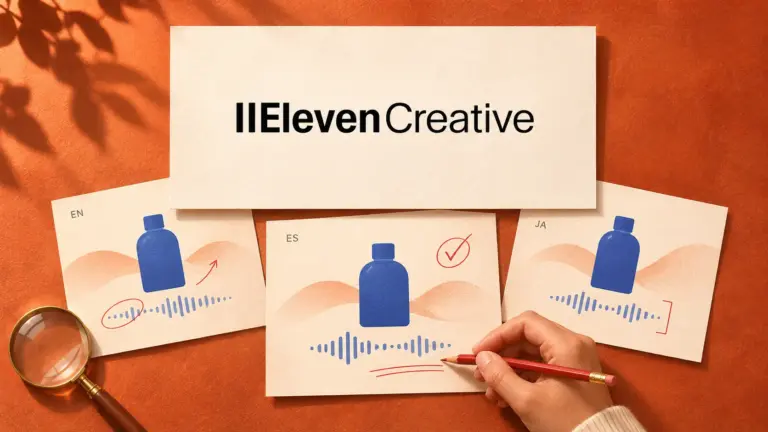
ElevenLabs adds review to Ads Engine. Check Enterprise access, language coverage, pricing questions and campaign approval steps.
AWS brings Smart Subtitles into MediaConvert. Check language and region support, audio input requirements, dictionaries and caption review before a wider rollout.
A practical guide to Phonon TTS licensing, ptts versus Transformers, custom voice preparation and the limits behind device benchmarks.
Gemini Omni 1.2 Flash adds 15-second generation and lower video output prices. Check reference limits, regional restrictions and the December 3 transition.

Google adds voice remixing to Gemini 3.8 TTS. Here is how base voices, paid access, independent voice IDs, expiry and synthesis prices fit together.

OpenAI Images 2.6 brings Flare and Sunburst models, GIF creation and new editing controls. Here are the API prices, output limits and workflow checks.

Compare OpenAI custom voice creation, GPT Live session costs, outbound SIP requirements and storage controls before deploying a voice application.
A practical migration review for speech applications, separating API compatibility, playback checks and future operating costs.

Pika H3 Flex offers local video and audio generation, but 4K tools are hosted separately. Hardware demands and the weights license limit deployment.
Google announced avatar sharing on October 29. Here are the account requirements, recipient controls and the important limit on revocation.

Canva Brush edits existing designs. Here is what Pro users can try, what remains planned and how to review changes before sharing.

MotionBricks now has SOMA models and Python tools. Here is what ships, what its RTX 4090 timings measure and why the Unreal research demo is not included.

MAI Image 2.7 opens in editing preview. Here is what the early rankings show, where access stands and how to judge edits without overlooking unwanted changes.

Google’s world model now has paid API access, 720p interactive streams and a two-minute session limit. Project Genie access has separate eligibility rules.
Pictory 3 moves from a brief to a reviewable video draft. Here is how the workflow, editor controls, rollout and credit limits affect creators.

One bedroom prompt exposes different strengths in nine AI video outputs, from timed entrances and dialogue to frightening faces and drifting props.
Voxtral 3 brings new speech models, but existing integrations face breaking changes and unresolved language documentation.


