Tencent releases DSpine weights for Qwen inference

Tencent has released DSpine inference code and a draft model for Qwen3-8B, giving developers a new way to test speculative decoding. The October 16 code release turns an earlier research proposal into an available implementation.
The checkpoint upload is timestamped 14.55 UTC on October 16. The initial code commit followed at 20.35 UTC. DSpine’s paper first appeared on September 28. The current news is the release of usable artifacts, with the original research date kept separate.
Making parallel guesses more consistent
Speculative decoding uses a draft model to propose tokens for a target model to check. DSpine addresses a weakness in proposing several tokens at once. Those guesses can disagree with one another and leave only a short useful continuation. The research design passes information from each preceding position into the next across the network’s layers, while the positions still update in parallel.
The published integration code registers DSpine as a speculative algorithm inside SGLang, alongside its draft model and supporting hooks. It adapts the serving engine’s argument handling, model configuration and execution path. That gives developers a concrete integration to inspect when deciding whether to add the drafter to an existing deployment.
Read the benchmark and its setup together
Tencent’s release comparison reports an average acceptance length of 7.83 for DSpine against 7.55 for DFlash2 at temperature zero across seven tasks. At temperature one, the figures are 6.98 and 6.53. The project says those two drafters and DSpark were retrained with the same configuration on Open PerfectBlend.
The older paper separately reports 23.3 percent higher average serving throughput than DFlash in its SGLang tests. Keep that result attached to its original comparator and experimental setup. It should not be substituted for a measured speed improvement against DFlash2 in the new release table.
Acceptance length and elapsed time answer different practical questions. A deployment trial should record both, alongside request concurrency, output length and hardware. A longer accepted draft is useful only if the complete serving workload improves enough to justify the extra work. These are evaluation criteria, rather than measurements from ByteForward.
What developers can run today
The package definition requires Python 3.10 or newer and pins SGLang to version 0.5.20. It identifies the implementation as an SGLang plugin and explains that it subclasses the engine’s internals. Teams should preserve that version pairing when reproducing the supplied setup before testing other combinations.
The checkpoint configuration specifies five draft layers, a block size of 16 and bfloat16 data. Qwen3-8B identifies the target model paired with this checkpoint. Reading the configuration alongside the serving instructions helps distinguish the drafter’s role from the model that ultimately checks its proposed continuation.
The current supported target is Qwen3-8B. Tencent lists training code and support for Qwen3.8-27B as future work. Those additions should remain outside an assessment of what the present release provides.
The license file places Tencent’s released DSpine code and weights under Apache 2.0, while included third party components retain their original terms. Keep the relevant notices with any redistribution. The file’s component exceptions matter when reviewing the full package, rather than relying only on a model page’s license badge.
The deployment question also appears in ByteForward’s coverage of Reflection’s Beam weight release, which included a speculative drafter among several serving choices. For either approach, the useful comparison is the complete configuration a team will actually operate.
Start with representative requests and a fixed baseline, then compare total response time, accepted tokens and resource use. Record the checkpoint and engine versions so the result can be repeated. ByteForward reviewed public files and release history for this report. We did not run DSpine, reproduce its benchmarks or verify a production cost saving.
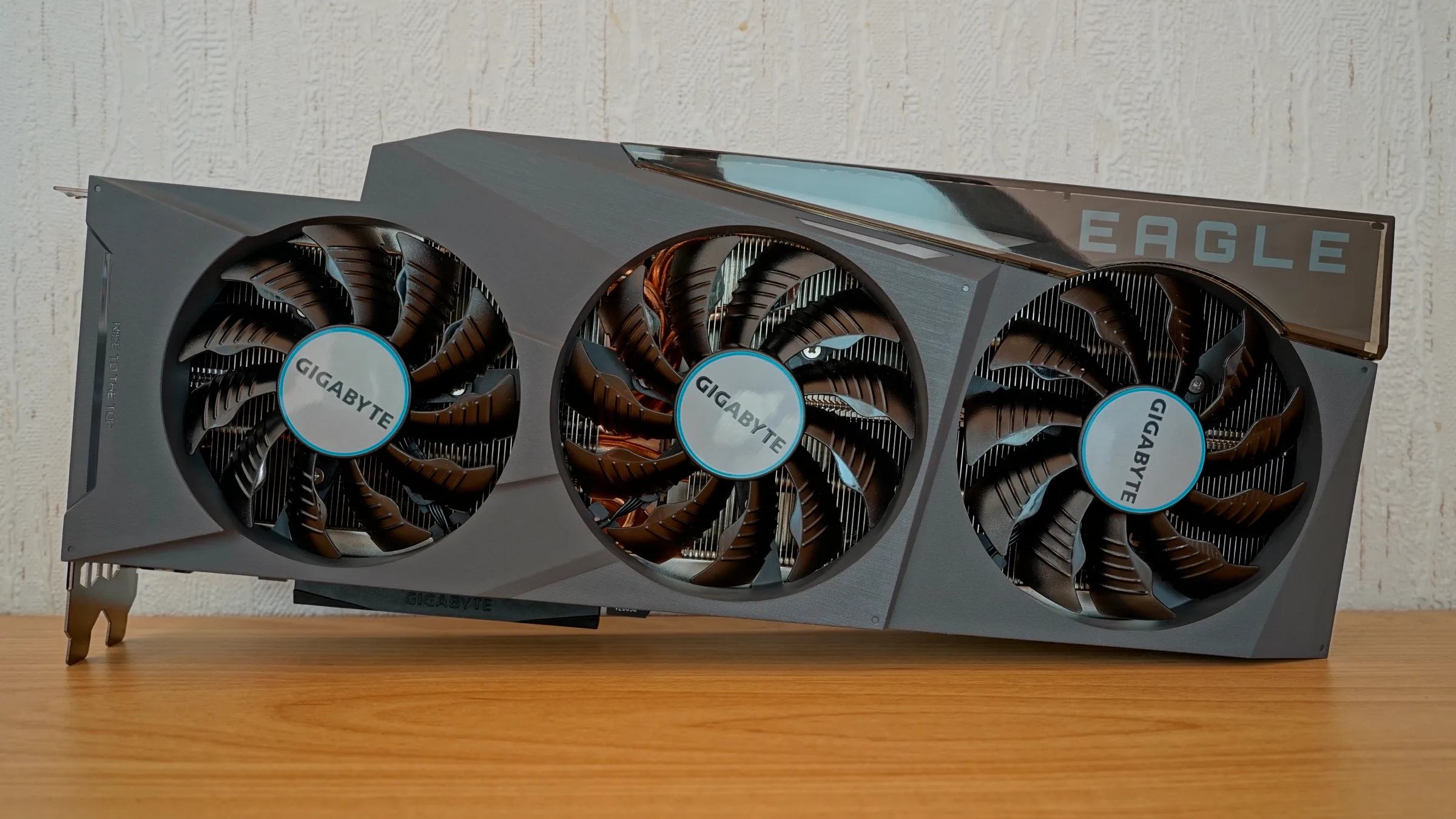
Illustrative RTX 3090 hardware photograph from 2020. Photo by PantheraLeo1359531 via Wikimedia Commons under Creative Commons Attribution 4.0. Dust corrections by the photographer. Cropped and resized for display.