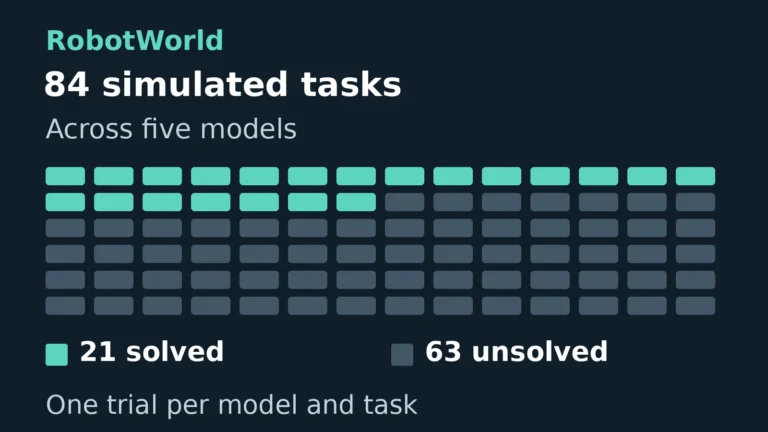
RobotWorld tests AI agents across 84 simulated tasks
Five models leave 63 tasks unsolved in the reported evaluation.
Accessibility Adjustments
Use these optional tools to adjust reading and display preferences. These tools cannot resolve every accessibility barrier. Please contact the website owner if you need assistance.
AI research explains how machine learning systems improve and where their weaknesses remain. ByteForward follows research papers, model evaluations and scientific applications with attention to methods, evidence and practical consequences. Topics include reasoning, training approaches, multimodal learning and the use of AI in scientific discovery. A promising result needs context about the dataset, comparison systems and conditions under which it was measured. We look at those limits so readers can distinguish a research finding from a capability ready for everyday use. Our AI safety and security coverage examines how researchers test reliability, misuse risks and defenses. For research that moves into products, follow the developments in AI models. Read the articles below for clear explanations of new AI research and the questions that determine whether its results will hold up beyond the paper.
Five models leave 63 tasks unsolved in the reported evaluation.
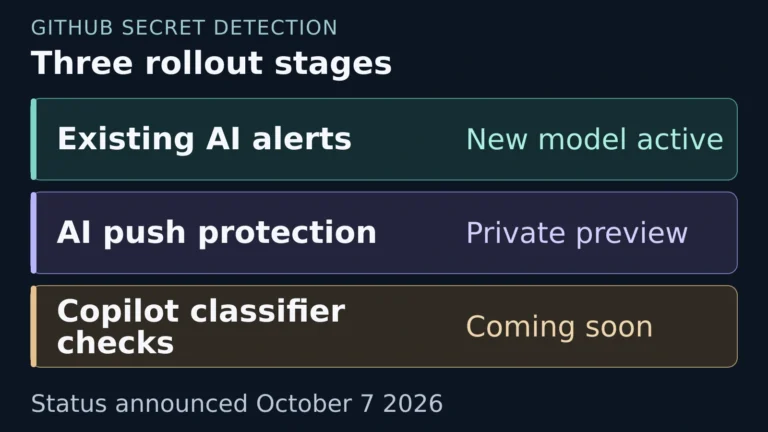
Existing alert scans get a new model while additional checks have separate rollout and billing plans.
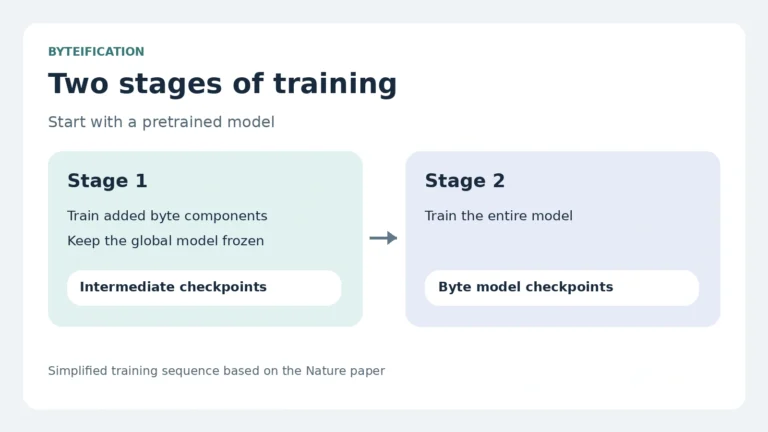
Ai2 announces Qwen and Llama based byte model checkpoints alongside its Nature paper, with Stage 1 models for research.
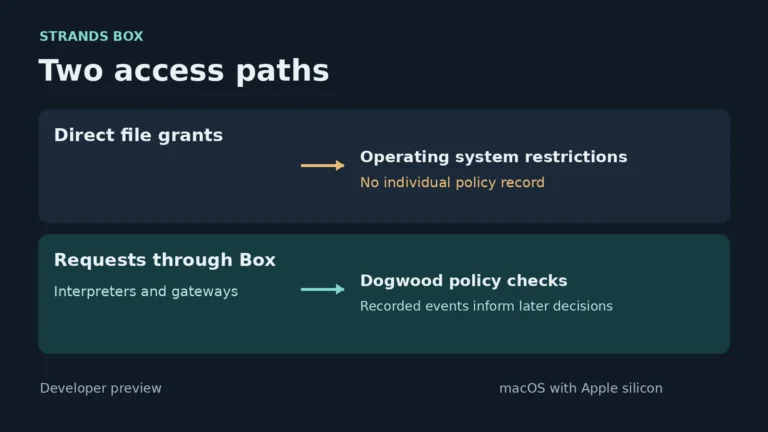
Strands Box combines local isolation with rules based on earlier actions. Its macOS preview leaves direct file grants outside policy history.
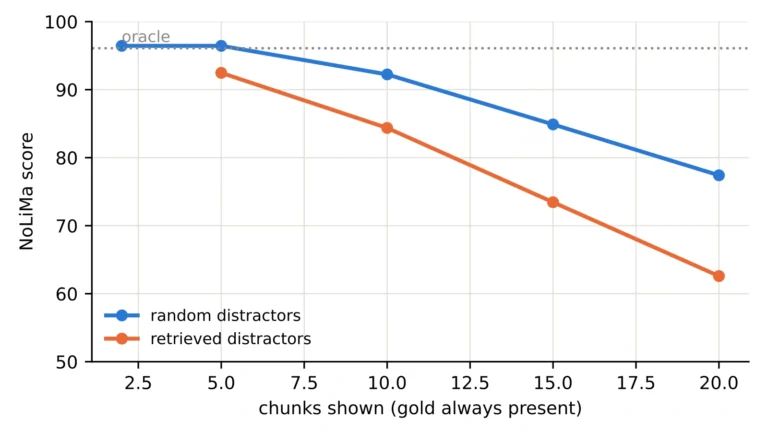
A research framework links corpus retrieval with long context reasoning.
A new benchmark separates safe task completion from efficient resource use.
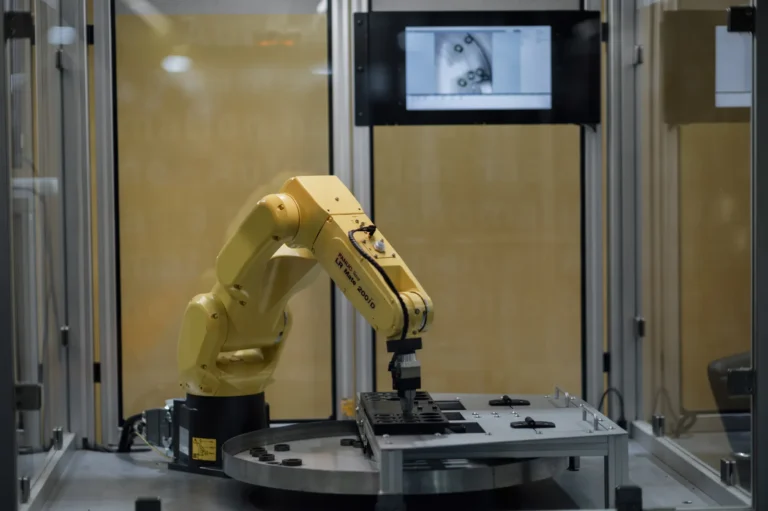
A robot study tests physical feedback without adding tactile sensors.
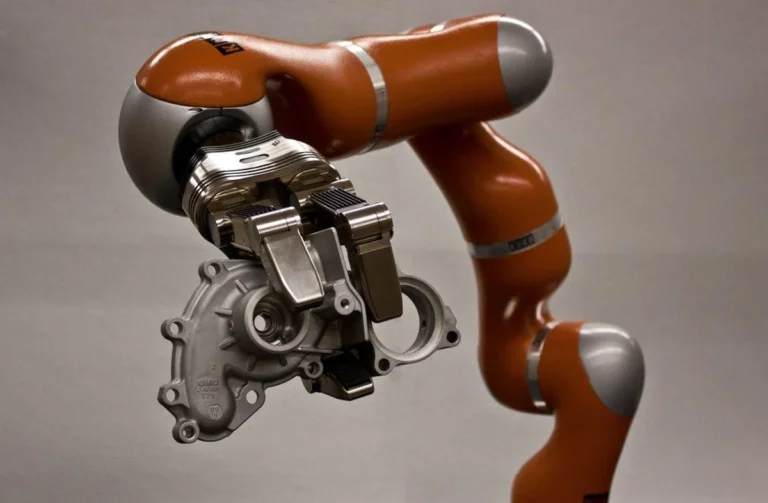
SALT studies adaptation to visual disruption using an earlier robot plan.
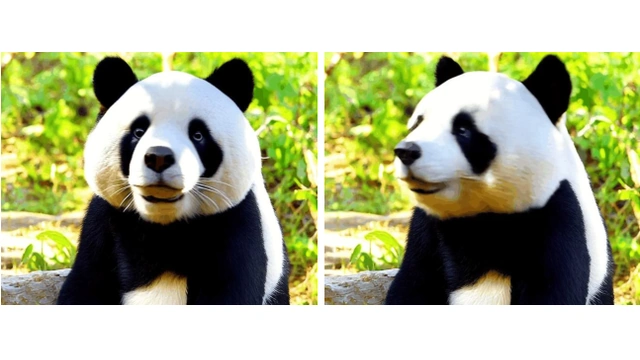
A new preprint studies motion transfer while limiting copied appearance.
A preprint tests what electricity measurements can establish about computation.

A conceptual preprint examines feedback between AI systems and human culture.

A new preprint measures the cost and detection tradeoff in agent monitoring.
A new preprint evaluates robot task completion and refusals using an existing open source framework.
Stanford researchers test more selective robot practice with human supervision.

Claude Code 2.1.292 repairs plugin permission checks and uses base branch CLAUDE.md rules when a pull request edits them.
OpenAI shares hundreds of mathematics manuscripts while warning that formal verification coverage varies across the collection

Researchers test synthetic video detection across 46 generator variants. Code and model releases remain pending.

A new preprint tests selective memory processing across five benchmarks, with latency and privacy limits still important.
Research preview measures missed issues and noisy findings.
ByteForward’s launch analysis examines specialist results, API pricing and the checks that matter before adding Mistral Large 4 to a workflow.
An arXiv preprint separates answer corrections from agreement under pressure.

An 11 task research evaluation compares Astra and Sol on contracting workflows.

New analysis explains why copied solutions escaped checks and how exposure changes proxy benchmark scores.

An expanded HuatuoGPT 3 paper reports medical benchmark gains while warning that clinical validation remains necessary.


