Google VERID adds physical checks for laboratory AI agents

Google Research presented VERID research on October 16, a system for checking what an AI agent intends to do against the physical state of a laboratory. Its significance is practical. Correctly written software can still give a robot an impossible instruction or produce a misleading experiment. Google’s announcement describes an effort to make those failures easier to prevent and investigate.
What VERID adds between the model and the machine
The VERID research paper describes a persistent digital twin that records equipment, containers and their contents across command blocks. Agents can inspect that state, simulate a proposed operation and preserve synchronized execution records. The state remains available after interruptions.
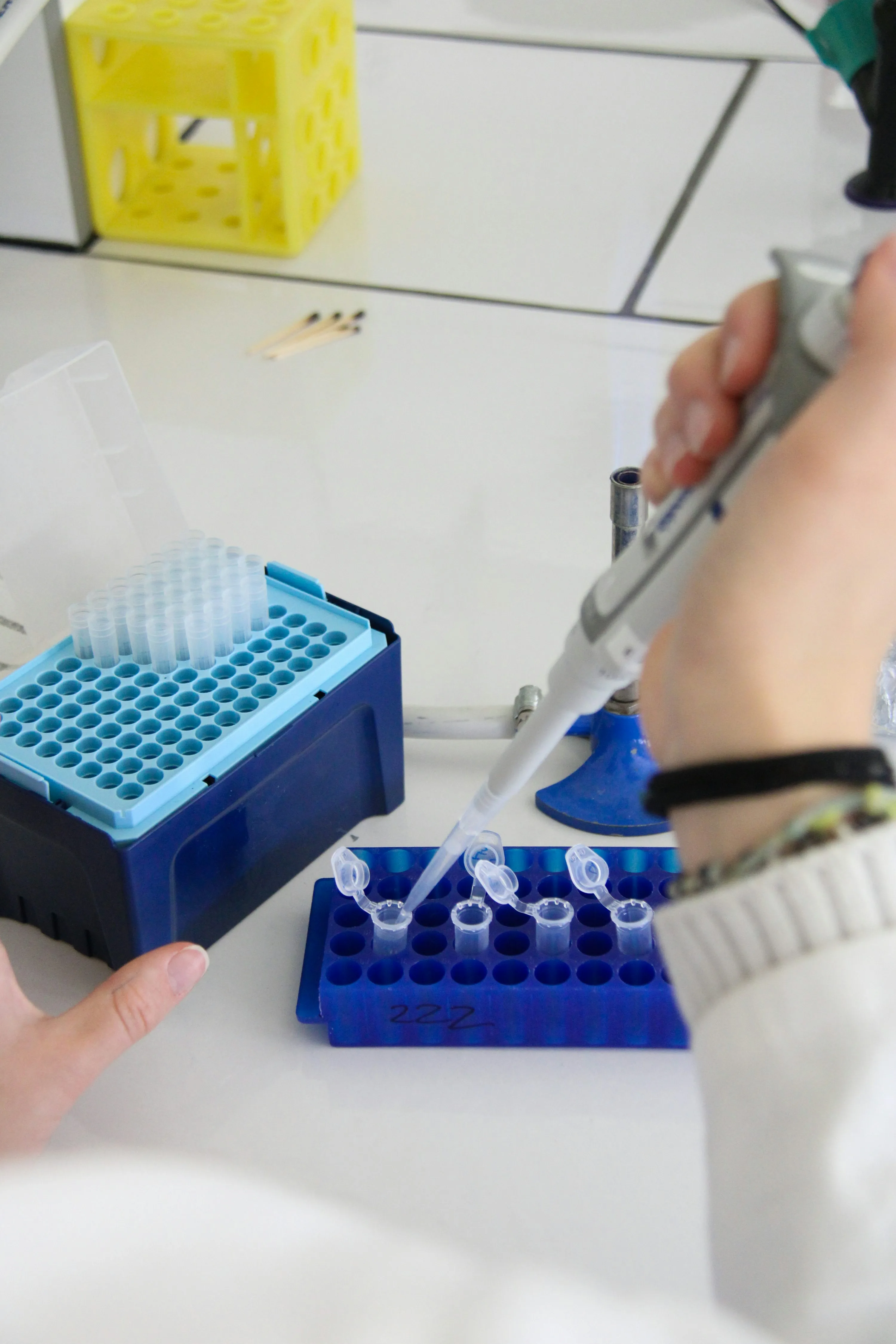
Three case studies used dyes and water to examine physical execution. They caught an incompatible pipetting geometry and recovered from equipment failures. These were controlled research demonstrations rather than evidence of a robot independently discovering a medicine. The reasoning model was an internal preview of Gemini 4 Argon.
The distinction matters because checking an operation and establishing a scientific conclusion are different jobs. A system can prevent an impossible motion while still needing measurements, controls and human judgment to determine whether an experiment answers the intended question.
Human oversight remains part of the design
Google says people authorize and review designed sequences, verify protocols and supervise robot runs. Its stated safeguards include screening and simulation before physical execution. That makes the work relevant to teams evaluating agent controls, but it does not establish that arbitrary laboratory work is safe to delegate.
The paper describes different levels of supervision across the demonstrations. It also identifies large scale analysis of accumulated experimental records as future work. The results support a specific infrastructure approach, with further evaluation still needed before wider deployment.
What a laboratory can access today
The public materials reviewed provide a paper and an explanation of VERID. They do not establish a generally available VERID product or a released VERID software repository.
The underlying PyLabRobot project is publicly available under the MIT license. It provides a Python interface for supported liquid handling robots, plate readers and other equipment, and runs across Windows, macOS and Linux. That existing project gives developers an accessible starting point for laboratory automation. Its availability should not be confused with access to Google’s complete research system.
Hardware compatibility needs a closer look than a vendor name. The supported machines documentation distinguishes device capabilities and support status, including work in progress. Some entries cover several models whose readiness can differ. For a laboratory considering an integration, the relevant question is whether its particular instrument and required functions are supported.
PyLabRobot’s hardware testing guidance also warns that a shared driver can work with one model while another still needs verification. It asks contributors to identify the device model, firmware, connection settings and software version when reporting results. Those details provide a useful checklist for assessing compatibility claims before planning a deployment.
Keep the related biology results separate
Google’s companion aptamer research paper is dated October 12. Its protein design paper is dated October 14. These earlier papers explore molecular discovery, a separate question from whether laboratory commands execute correctly.
Google describes combining its automation and molecular discovery work as a next step. The fresh VERID result concerns the interface between agents and physical experiments. Readers following the broader infrastructure effort can also see our coverage of DOE autonomous science testbeds.