
EU registers citizens’ initiative for a proposed .IA digital space
Organisers seek a European framework and negotiations concerning .IA.
Accessibility Adjustments
Use these optional tools to adjust reading and display preferences. These tools cannot resolve every accessibility barrier. Please contact the website owner if you need assistance.
AI policy shapes how artificial intelligence is developed, sold, and used in everyday life. This category covers AI regulation, data protection, copyright, public procurement, and the responsibilities of companies deploying automated systems. We examine what proposed rules would require, who they would affect, and which details remain unsettled. Readers can follow questions about enforcement, implementation deadlines, transparency obligations, and access to meaningful appeals. Our coverage connects these decisions with changes across the AI industry, including how businesses respond to new requirements. It also considers the role of AI safety and security evidence in debates about oversight and accountability. Issues such as training data rights, automated hiring, and government use of AI deserve attention to both the written rules and their practical consequences. The goal is to help readers understand what a policy changes, what remains uncertain, and what to watch as proposals move toward implementation.
Organisers seek a European framework and negotiations concerning .IA.

A preprint tests what electricity measurements can establish about computation.

The music industry groups make their case for licensing at an Australian parliamentary inquiry.

A new Ohio rule requires employee checks on automated findings within specified Medicaid functions.

The proposed guidance covers AI systems throughout their lifecycle.

The civic group proposes model tracking and protections for open weight publishers in preliminary testimony.

The government intends to bring a bill to parliament while studying which devices and locations it should cover.

The first phase will assess more than 300 potential uses across 33 government entities.

API customers can enable textGrain for selected models. OpenAI also plans an EU rollout for ChatGPT and Codex in the coming weeks.

Four officials will lead federal AI coordination and stakeholder engagement

The Kyoto declaration backs broader research access and funding experiments, while leaving budgets and delivery schedules unspecified

India’s advertising standards body sets disclosure tests for synthetic media and sponsored AI recommendations

SB 951 adds technology details to covered layoff notices while AB 1883 limits AI emotion and neural monitoring, with exceptions
The Commission is gathering views on AI licensing and enforcement ahead of a November 3 deadline

Meta updates its framework with training controls and open weight considerations
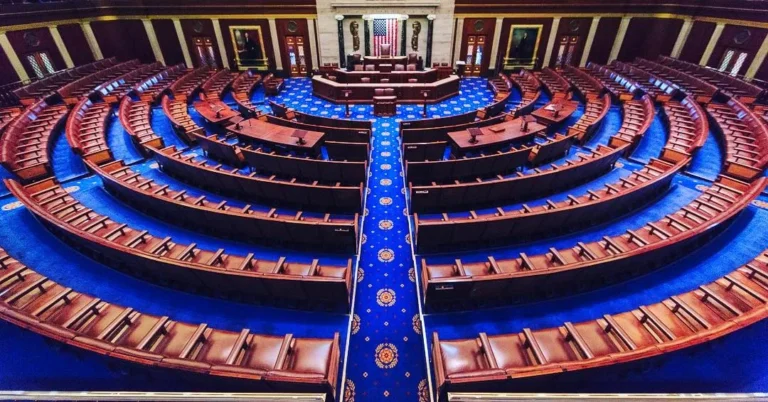
The bipartisan proposal covers AI disclosure, parent controls and a school exception

The proposal reaches machine learning vehicle systems through federal use restrictions and funding conditions

Canada names an advisory council for AI adoption and safety while ministers retain responsibility for policy decisions

The September 29 directive changes executive branch terminology while retaining the existing statutory AI definition.

Kazakhstan’s president proposes exploring an AI treaty under the UN and plans to present the country’s position at December’s G20 summit.

Apple says future macOS controls will require explicit action before apps receive Full Disk Access, citing growing risks from autonomous AI agents.

The bipartisan proposal targets operators and developers under federal computer crime law.

A new state survey separates widespread AI use from deeper workplace integration.

The October policy outlines responsibilities for researchers and analysts using AI assisted work.


