Public Knowledge launches US AI regulation framework

Public Knowledge introduced its AI Regulation Framework on October 14, 2026, setting out a US policy agenda that combines support for open technology with enforceable protections for people using AI. The document is an advocacy proposal.
The organization describes two goals, spreading AI’s benefits and power more broadly, and addressing both emerging risks and established harms. Its 12 policy areas span competition, access, civil rights, privacy and safety. Public Knowledge argues that open alternatives and public protections can reinforce each other, while regulation designed around large companies can entrench their position.
What the framework proposes
The two page factsheet calls for an independent federal AI regulator, stronger sector specific oversight and limits on federal preemption of state AI rules. It also proposes public investment in datasets, training compute and inference capacity, alongside interoperability and data portability requirements.
For consumer facing systems, Public Knowledge wants a duty of loyalty for AI agents and systems built for personalization or intimate use. Commercial systems would exclude user data from training by default, with rights to access and delete personal information. Its competition proposals include blocking anticompetitive mergers and partnerships, banning self preferencing, and considering structural separation to prevent further concentration of AI power.
The safety agenda includes researcher access, whistleblower protection and frontier AI auditing during development and after deployment. It pairs those measures with support for open source AI and fair use protections for training on publicly accessible data. The latter is a policy position, not a determination about any particular training practice.
A different federal approach
The White House’s March legislative recommendations asked Congress to avoid creating a new federal AI rulemaking body, instead relying on existing sectoral regulators and industry standards. They also urged preemption of state AI laws considered unduly burdensome, while preserving specified state powers, including generally applicable consumer protections, zoning and rules for states’ own AI use. Those recommendations were proposals to Congress.
What happens next
Public Knowledge presents the framework as a basis for collaboration with civil society, researchers, philanthropies and policymakers. Its launch post says the individual proposals will evolve with technology, politics and feedback from partners. It invites states, Tribes and local communities developing public AI to take part.
The reviewed launch materials specify no legislative sponsor, committed funding allocation or implementation schedule. Adoption would require further decisions by policymakers.
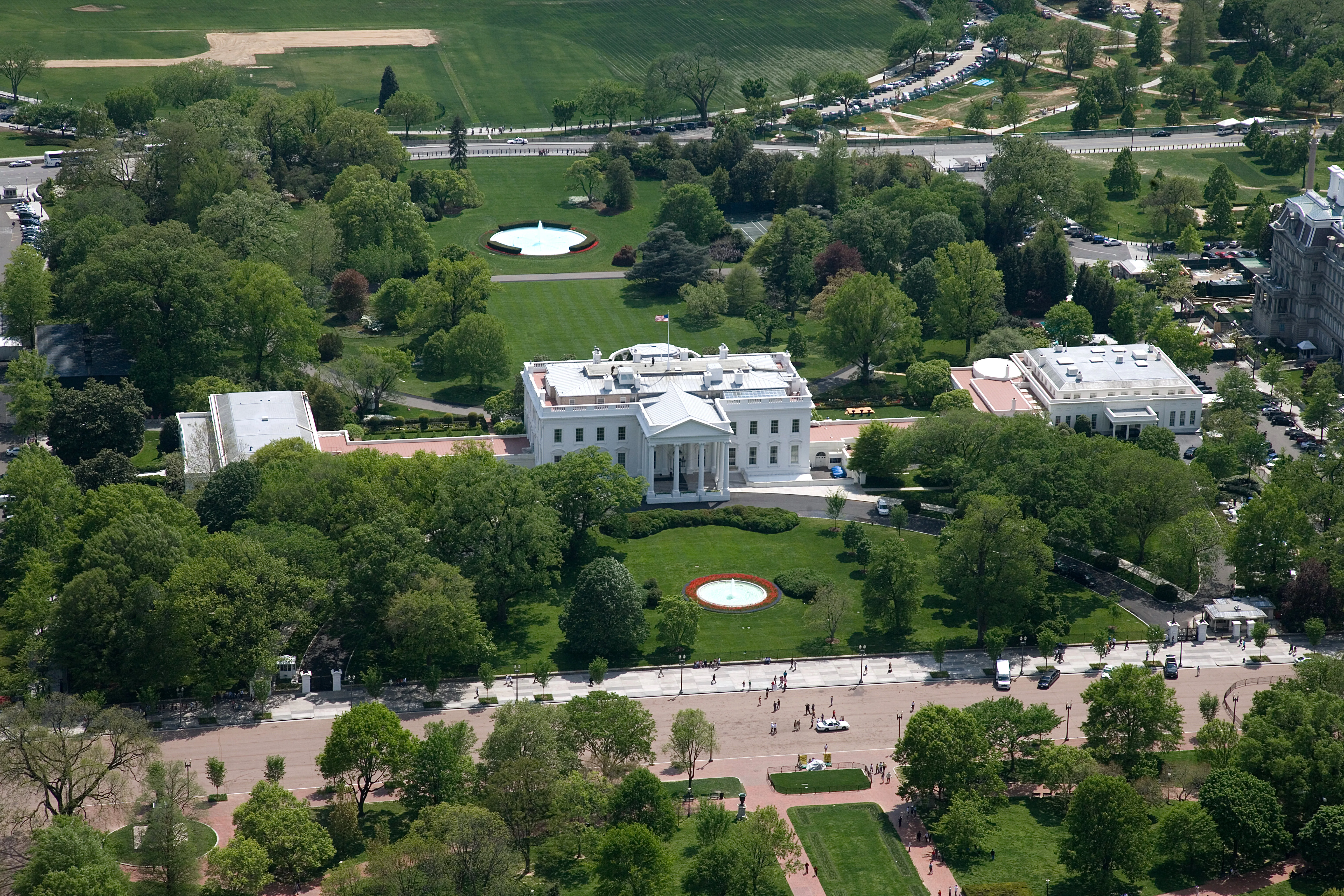
The featured White House photograph is archival federal policy context. Carol M. Highsmith took the image in 2007. It is in the public domain and has been converted to WebP.