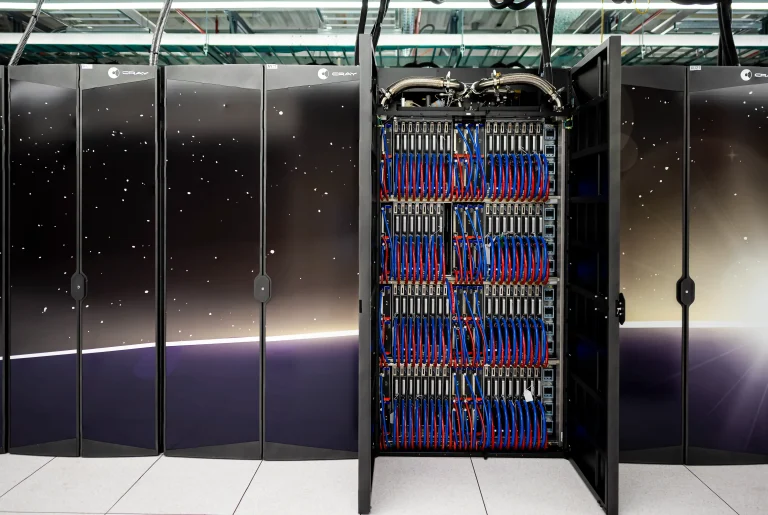
Reflection releases Beam weights under Apache 2.0
Beam weights are available in three precision formats. Here is what developers should check before choosing local deployment, an API or the Mirror agent.
Accessibility Adjustments
Use these optional tools to adjust reading and display preferences. These tools cannot resolve every accessibility barrier. Please contact the website owner if you need assistance.


AI models shape what today’s assistants can reason through, create and automate. ByteForward covers large language models, multimodal systems and open weight releases with a focus on what their capabilities mean in practice. Explore reporting on reasoning performance, coding ability, context windows and the tradeoffs between speed and cost. Model benchmark comparisons are most useful when the test setup, version and limits stay attached to the score. API pricing, licensing terms and access restrictions also matter when choosing a model for a real workload. Our AI model release coverage follows new launches and major updates from announcement to availability. For the methods behind performance claims, explore our AI research reporting. Start with the stories below to understand what changed, what the evidence supports and which questions remain open.
Beam weights are available in three precision formats. Here is what developers should check before choosing local deployment, an API or the Mirror agent.

Liquid AI’s new decision model is available through its API, Vercel and OpenRouter. Its higher input price makes question design part of the cost calculation.
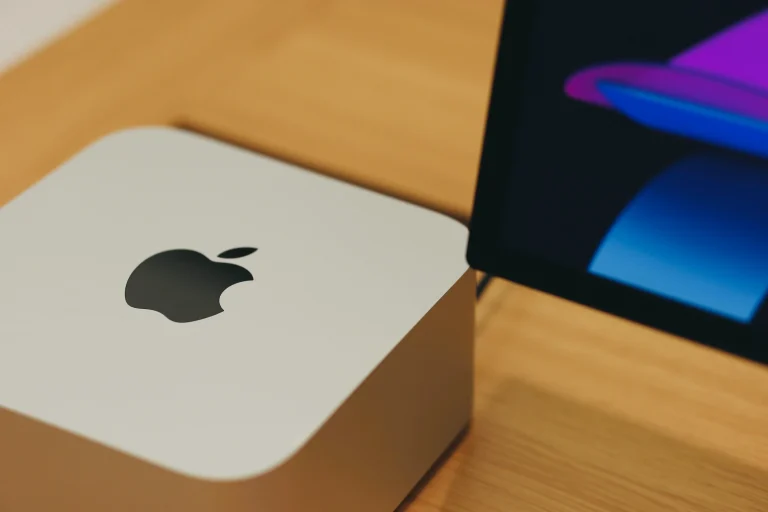
Meta’s October 15 release offers BF16 and NVFP4 weights. Mac results vary by checkpoint and setup, while the license adds specific service conditions.

Black Forest Labs releases FLUX 3 Image Klein weights. The local hardware route, editing limits and conditional commercial rights deserve a closer look.

The update changes the sound of ChatGPT Voice. Here is what to check before trying it.

GRAI and MassiveMusic separate streaming and AI training permissions. The distinction matters for rights holders and people hoping to create with music.
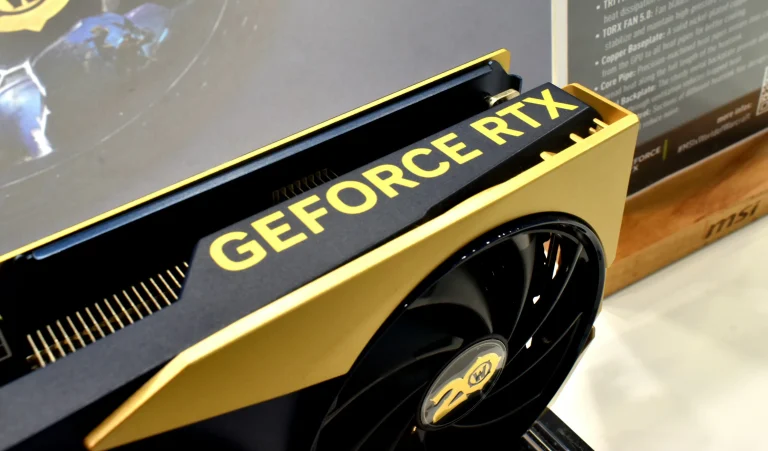
Super VL and Bolt are available now, but Bolt’s 24GB estimate excludes its vision components. Full local recipes call for more memory.

Mistral’s Timestral models forecast numerical data. Here is what developers can download, what the benchmarks show and which weight licence terms matter.

ComfyUI adds controls for adapter stacks and camera composition, with update requirements and different asset defaults to check.
Microsoft’s checkpoint generates task and behavior descriptions for simulation research.

Grok Voice 3.0 brings stronger benchmark scores at the same voice rate. Existing users should check automatic upgrades and the limits of deprecation.

ByteForward examines Gemini 4 Argon through editable 3D projects, robotics experiments and the safety limits that matter when agents keep trying.

Downloadable speech weights and expressive controls arrive while interactive editing stays in limited testing.

Liquid’s new reasoning model brings a larger local agent option with downloadable weights and commercial licensing conditions.

The robotics model learns from human experience, with important qualifications around tuning and evaluation.
Gemini 4 Argon reaches paid API users and Google’s coding tools as the October 13 rollout brings introductory pricing and new requirements for extended reasoning.

Melius reports cumulative funding for its creative tools. Editable workflows, generation credits and planned features shape the practical evaluation.
MiniMax identified Space Bunny as an early M3.1 Flash version on October 19. The earlier free-access listings should not be treated as current guarantees.
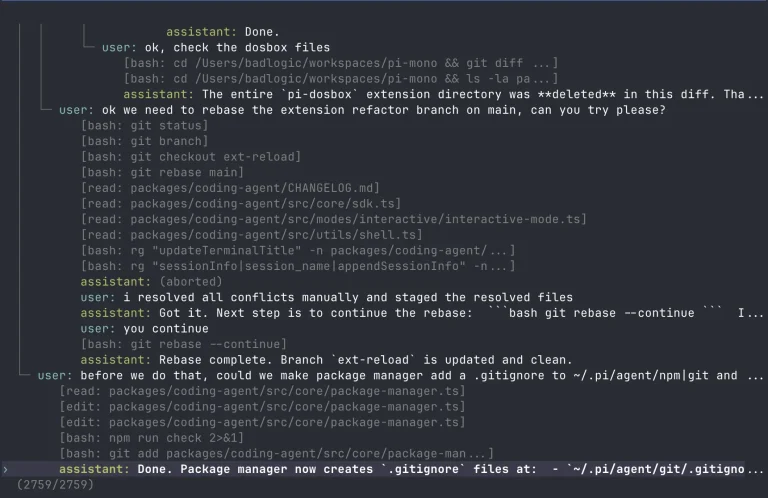
Check the account requirements, client settings and data retention conditions.

Muse Wonder vs Claude produces different answers across agent and coding tests. Model choice, settings and task cost shape the comparison.

Z.ai previews a specialist legal model with beta access and AutoClaw integration planned.

A close look at ByteForward’s Google Playground test, with practical checks for revisions, multiplayer claims and weekly usage.

Precision Numerics releases binary weights and local runtimes with developer reported quality tradeoffs.

Meta’s new Muse Wonder models arrive with different access routes, API prices and data settings for developers.


