GRAI separates music streaming and AI training in MassiveMusic deal

GRAI’s October 15 announcement with MassiveMusic separates music delivery for its upcoming social streaming service from an opt in dataset licensed to train GRAI’s own music model. Participation depends on the relevant rights holders.
The catalog arrangement covers participating independent and distributor repertoire, with payments and usage reports governed by applicable agreements. The separate training permission does not itself authorize later creative uses of recordings or compositions.
Who can approve a song
A recording and the musical work embodied in it can have different rights controllers. The DDEX data dictionary explains that generative AI training permission from a record company or distributor generally does not cover the underlying musical work. That permission should come from the relevant controller of the composition rights.
For a musician assessing a proposed dataset, the practical question is which rights they control and which permissions someone else would need to supply. This distinction explains why the identity and authority of the party giving permission matter alongside the activity being authorized.
A rights holder may authorize a specified use within its authority. That alone does not establish that every performer personally agreed, or that the same permission extends to every activity a future app might offer. This is general licensing context, not a finding about GRAI’s specific contract terms.
Control needs records
MassiveMusic’s training data service description says approval is attached to individual tracks and datasets include traceability and normalized metadata. It describes delivery through existing infrastructure and information about content origin and use. These are the supplier’s stated features, rather than an independent audit of this particular dataset.
For a music company evaluating that approach, useful evidence would connect the party authorizing a use to the material and the agreement covering it. Audio quality and detailed musical tags help organize a dataset. They do not, by themselves, explain the scope of a licence.
The service page’s figure of more than 100 million tracks describes the infrastructure’s history. It should not be used as the size of GRAI’s training dataset or a count of creators who approved training.
The announcement says GRAI uses metadata spanning more than 30 musical dimensions for search and recommendations. Those descriptive tags serve a different purpose from records of permission.
Listening and making something new
Imagine a fan finding a song in a social music app, then wanting to alter it and share the result. Those are different product experiences. Before treating a creative feature as ready for commercial use, a reader should look for terms explaining the permitted activity, who receives the result and what obligations follow.
ByteForward’s coverage of YouTube Music’s AI labels deals with another question, how listeners learn that AI was used. Disclosure about a track’s origin and permission to use music for training serve different purposes.
What is available now
As of October 15, GRAI’s website still offers email notifications for the app’s future launch. Readers can join the waitlist.
The companies say early builds are testing with a test catalog. The announcement supplies no dataset size, complete participant list, payment rates, public launch date, model weights or API access. The release does not include full agreement terms.
For creators, the useful sequence is to identify the proposed use, establish who controls the relevant recording and composition rights, and examine the permission granted. Each step makes the next one easier to evaluate.
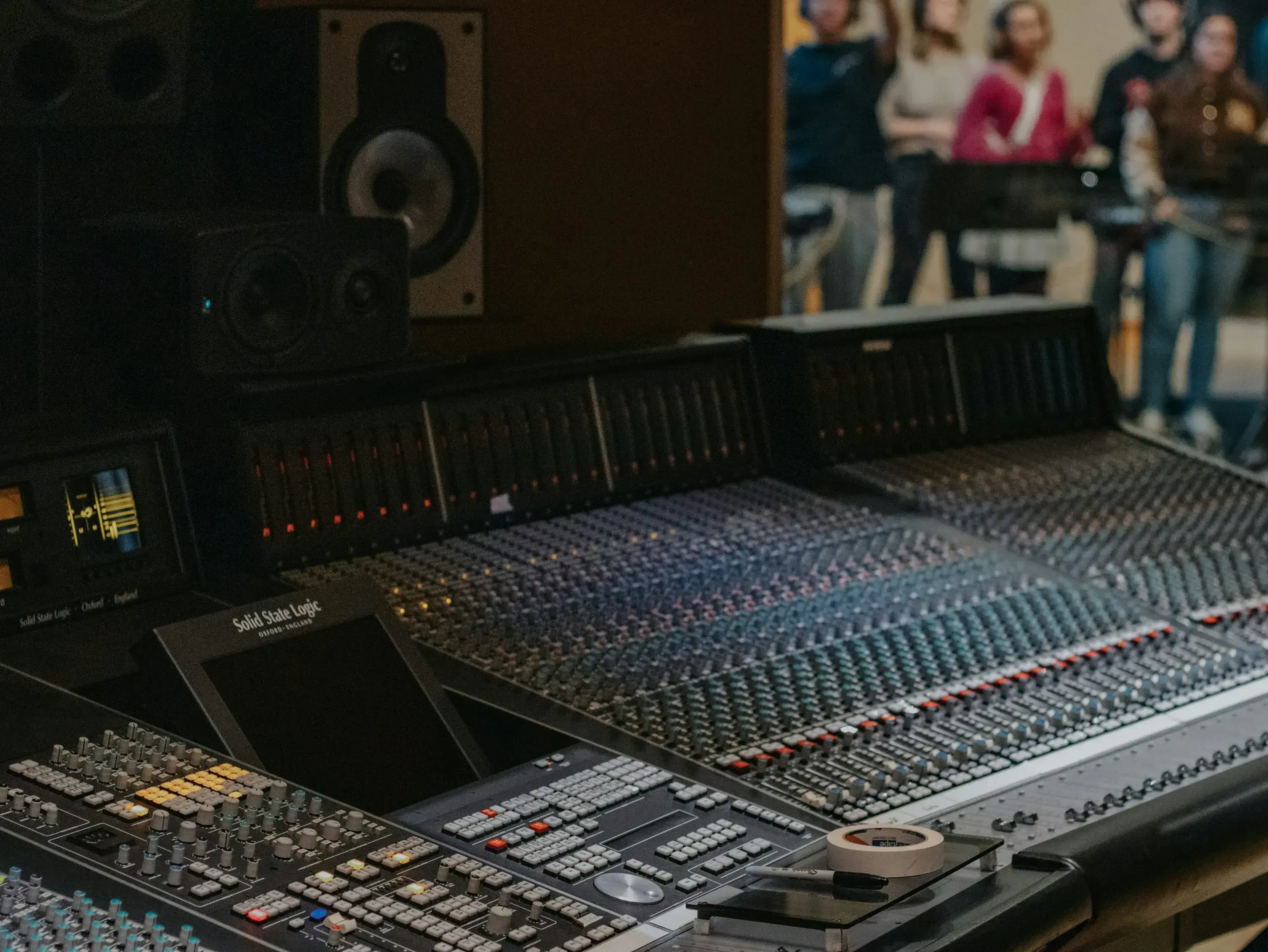
Illustrative photograph of a recording studio in Nashville, published in 2026. Photo by Elijah Crouch on Unsplash under the Unsplash License.