Clef Omni adds audio and video on Workers AI
A practical guide to choosing the right decision endpoint.
Accessibility Adjustments
Use these optional tools to adjust reading and display preferences. These tools cannot resolve every accessibility barrier. Please contact the website owner if you need assistance.


AI models shape what today’s assistants can reason through, create and automate. ByteForward covers large language models, multimodal systems and open weight releases with a focus on what their capabilities mean in practice. Explore reporting on reasoning performance, coding ability, context windows and the tradeoffs between speed and cost. Model benchmark comparisons are most useful when the test setup, version and limits stay attached to the score. API pricing, licensing terms and access restrictions also matter when choosing a model for a real workload. Our AI model release coverage follows new launches and major updates from announcement to availability. For the methods behind performance claims, explore our AI research reporting. Start with the stories below to understand what changed, what the evidence supports and which questions remain open.
A practical guide to choosing the right decision endpoint.

Updated with Decision 1.1 general availability, image input, Foundry regional prices and migration details, alongside the original Decision 1 reporting.
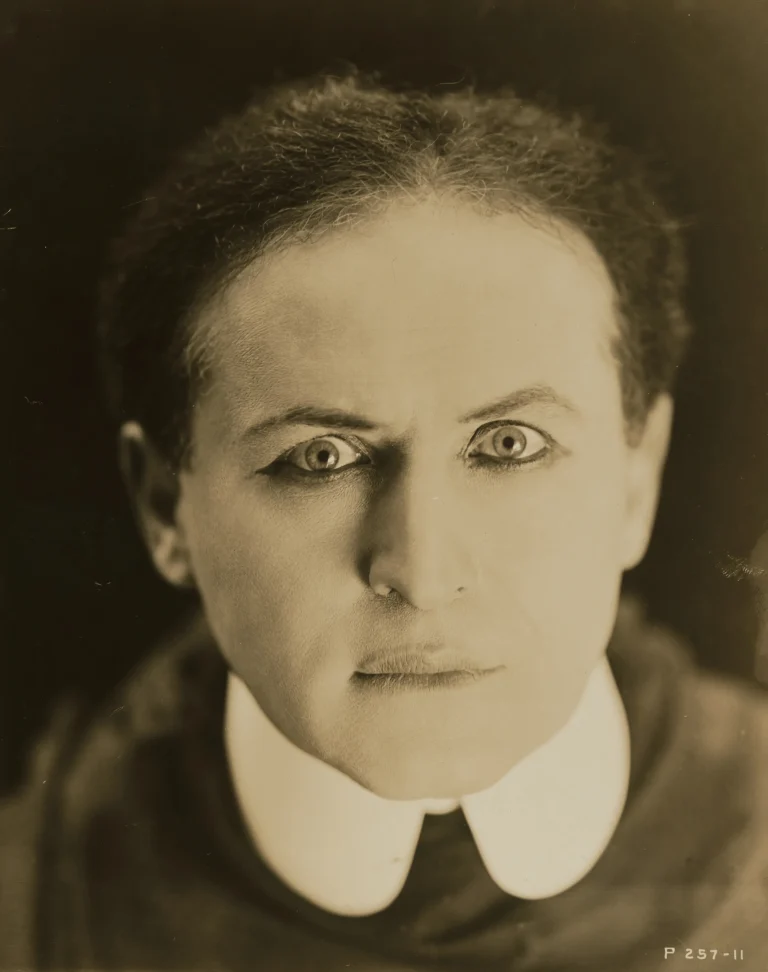
The production combines archival sources with performance and generated imagery. Documentary guidance shows what viewers need to understand.

LightOnOCR 3 combines page transcription with layout and chart extraction. Here is how its three models differ and what to check before deployment.
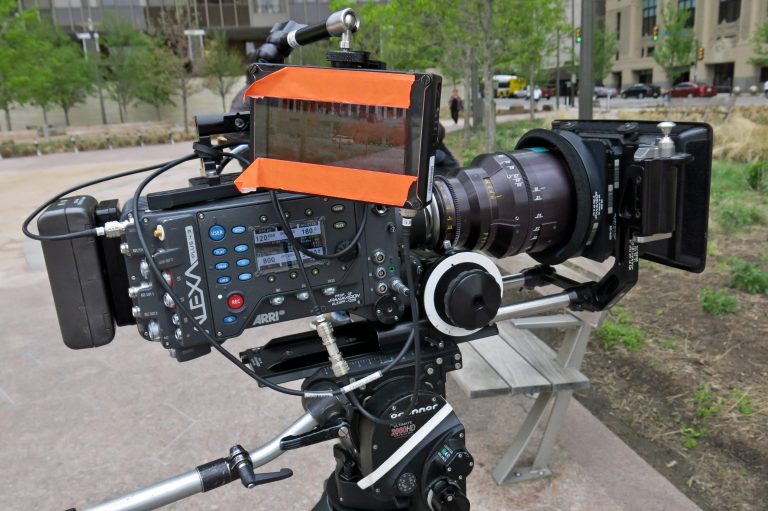
Vidu Q4 Preview combines image and voice references with 4K output. Its API limits, default settings and pricing deserve a closer look before production use.

The genomic model adds detailed splice predictions, but its benchmark design, hardware needs and licensing matter for adoption.
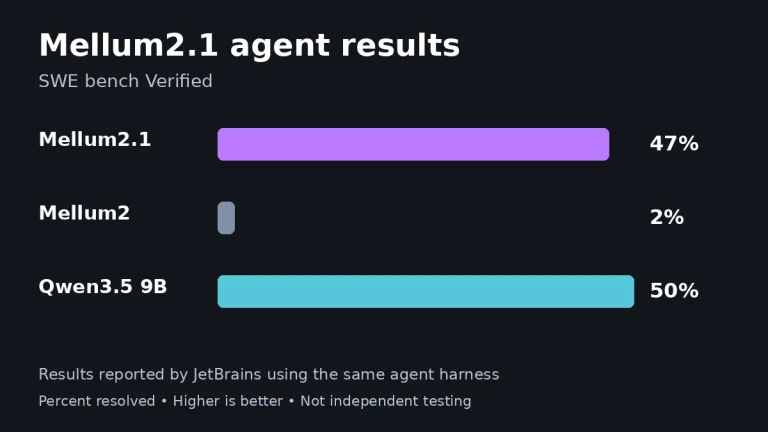
JetBrains publishes a compact coding model with stronger reported agent results and deployment caveats.
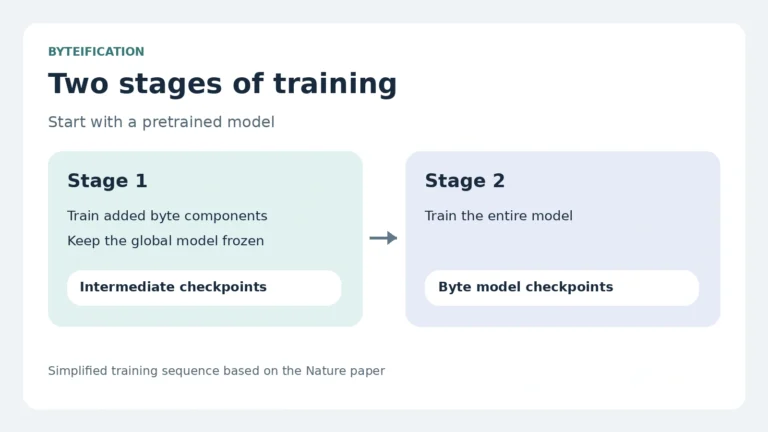
Ai2 announces Qwen and Llama based byte model checkpoints alongside its Nature paper, with Stage 1 models for research.
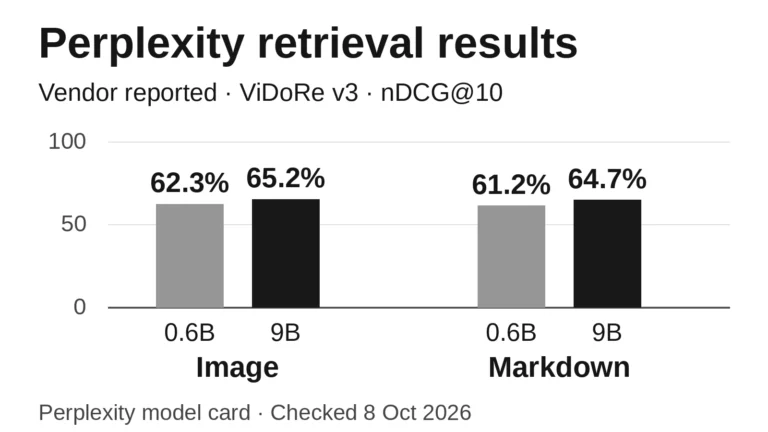
Perplexity’s smaller retrieval model can query an index built with its larger counterpart.

Uratori returns evidence judgments without generating an answer.

A new preprint studies motion transfer while limiting copied appearance.

Claude Haiku 5.5 has launched. Our video examines early creations, visible failures and the costs that matter when choosing the smaller model.

OpenAI lists GPT 6 Astra and GPT 6.1 Sol. Here is the confirmed release timeline and what remains unknown about a GPT 6.1 Astra launch.

Researchers test synthetic video detection across 46 generator variants. Code and model releases remain pending.

The update adds image inputs and more detailed video segmentation.

ByteForward’s launch analysis examines specialist results, API pricing and the checks that matter before adding Mistral Large 4 to a workflow.

The 740 million parameter release combines text, image, video and audio embeddings for local retrieval.
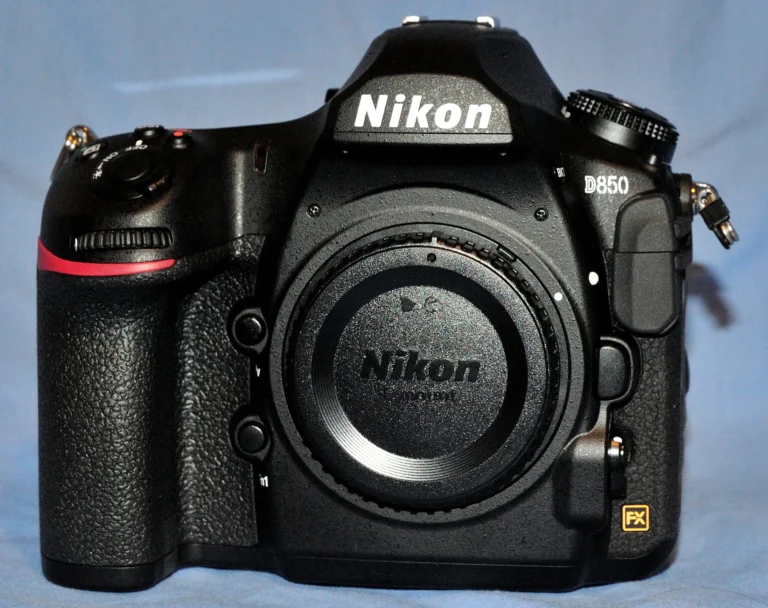
Nano Banana 2.1 is available in the Gemini API. Google’s current documentation lists no shutdown date for the older Nano Banana 2 model.

An expanded HuatuoGPT 3 paper reports medical benchmark gains while warning that clinical validation remains necessary.
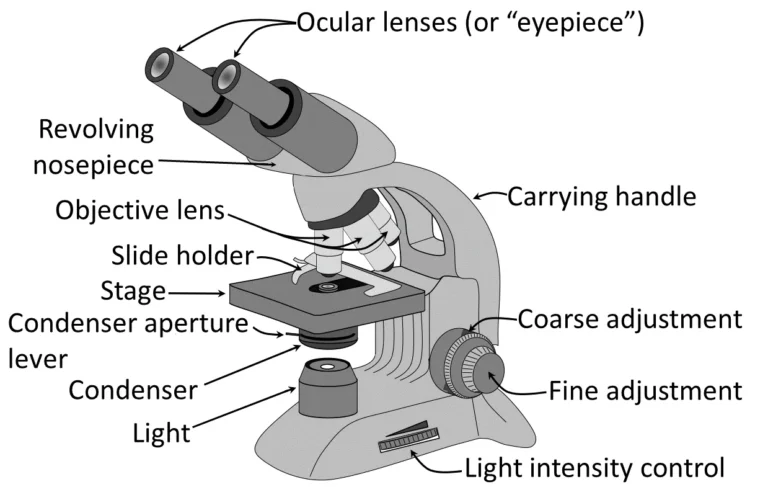
BioRender’s Leo guides figure planning with sketches and editable drafts. Access requires a paid add on plan.
Liquid AI has enabled image inputs in its paid d1 API, expanding structured decisions to visual inspection and screenshot tasks.

Updated November 13: separate AI Plus model selection, free Auto routing, current Hydrogen and Argon access, and the reported subscriber email deadline.

Mistral’s October 6 preview was followed by an October 29 weights release. Review the historical launch and the Model-as-a-Service license requirement.

The research preview combines visual generation and understanding within shared context.

