Liquid AI releases LFM3 for local agents and multimodal apps
Compare LFM3's six small models, official demos, license limits and local runtimes, including the minimum build needed for NVFP4 output.
Accessibility Adjustments
Use these optional tools to adjust reading and display preferences. These tools cannot resolve every accessibility barrier. Please contact the website owner if you need assistance.


AI models shape what today’s assistants can reason through, create and automate. ByteForward covers large language models, multimodal systems and open weight releases with a focus on what their capabilities mean in practice. Explore reporting on reasoning performance, coding ability, context windows and the tradeoffs between speed and cost. Model benchmark comparisons are most useful when the test setup, version and limits stay attached to the score. API pricing, licensing terms and access restrictions also matter when choosing a model for a real workload. Our AI model release coverage follows new launches and major updates from announcement to availability. For the methods behind performance claims, explore our AI research reporting. Start with the stories below to understand what changed, what the evidence supports and which questions remain open.
Compare LFM3's six small models, official demos, license limits and local runtimes, including the minimum build needed for NVFP4 output.

MAI Image 2.7 opens in editing preview. Here is what the early rankings show, where access stands and how to judge edits without overlooking unwanted changes.

Google’s world model now has paid API access, 720p interactive streams and a two-minute session limit. Project Genie access has separate eligibility rules.
Kimi K3.1 Pro now has a Bedrock deployment option. Compare routing, API and cache limits with Kimi's own API, Code access and downloadable weights.

Ai2 releases OlmoEarth v1.3 weights and annual satellite embeddings with an explorer. Coverage gaps and a restricted license matter before deployment.

Pictory 3 moves from a brief to a reviewable video draft. Here is how the workflow, editor controls, rollout and credit limits affect creators.
Compare Step 5 Preview checkpoint sizes, GPU configurations, preview serving support and commercial license conditions before planning a deployment.

Training metrics and application tests answer different questions.

One bedroom prompt exposes different strengths in nine AI video outputs, from timed entrances and dialogue to frightening faces and drifting props.
Updated November 4: official Kimi K3.1 Pro weights are public under a custom license. The original October code report remains below as historical context.

Embed, Rerank and Parse handle different parts of document retrieval. Their model cards reveal hardware constraints, migration details and benchmark limits.

IBM adds multilingual transcription to TurboCTC. Its related speech models serve different translation, speaker labeling and timing needs.
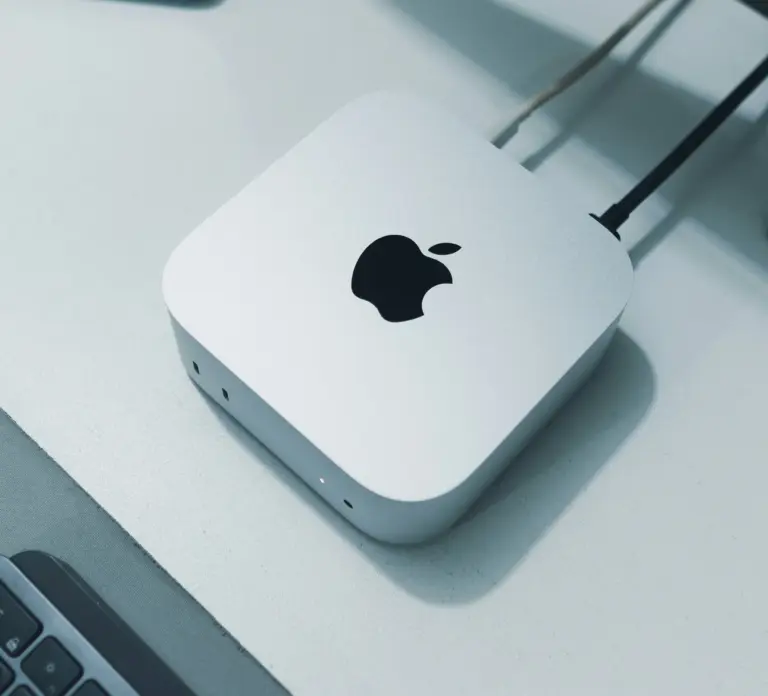
Recursive’s rec v0.1.0 release targets local Flint inference on selected Macs, with hardware and session constraints.
Voxtral 3 brings new speech models, but existing integrations face breaking changes and unresolved language documentation.
Eleven Realtime Mini and Max package the voice stack, while workspace access and existing integrations still need checking.

GPT 6.1 Terra is now released. Compare access, API costs and long context pricing while separating the launch from the earlier Microsoft code evidence.

MiniMax M3.1 Flash weights are now listed on Hugging Face. The October 23 update explains commercial license conditions and hardware specific serving limits.

Lumina reports Aurora image tests in Arena. Separate API listings add context while the provider identity and public launch remain unconfirmed.
OneJev 1.6 adds downloadable visual decision models. Its larger training collection and benchmark claims come with important reproducibility limits.
DSpine now has public inference code and a Qwen3-8B draft checkpoint. The release gives developers a way to test the earlier research.
Volundr v1 brings agent training changes and a new inference engine, with important limits around its 16 GiB memory tests.

Glimpse is available in Elorian’s chat interface and through API access.
Dory introduces recurrent inference while its vLLM and llama.cpp integrations remain under review. Here is what developers should evaluate before deployment.

DeepSeek updates Flash and opens Search and Fetch APIs. Here is what developers need to know about reported gains, peak pricing and integration limits.


