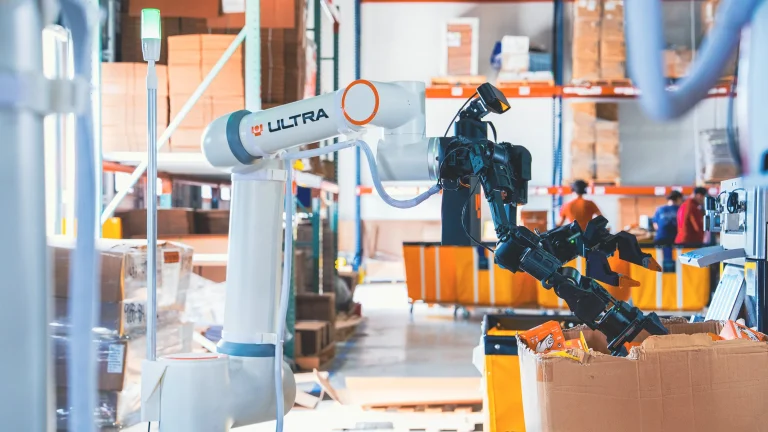
Ultra announces $50 million Series A for warehouse robots
Ultra confirms a $50 million Series A as an earlier filing and existing deployments put its expansion plans in context.
Accessibility Adjustments
Use these optional tools to adjust reading and display preferences. These tools cannot resolve every accessibility barrier. Please contact the website owner if you need assistance.


Robotics brings AI into physical environments where movement, timing, and reliability matter. This category covers embodied AI, robot learning, navigation, manipulation, and control across machines built for homes, workplaces, and industrial settings. We examine how robots use sensors, interpret their surroundings, plan actions, and recover when conditions change. Coverage asks what a demonstration establishes, how much human assistance it requires, and which tasks remain difficult outside a controlled setting. Advances in AI research help explain progress in simulation, imitation learning, and the transfer of learned skills to physical hardware. Connections with AI agents that plan and execute tasks add context to questions about autonomy and oversight. Real world deployment also depends on safety, maintenance, energy use, cost, and the ability to operate around people. Readers can use this coverage to judge what a robot can do today and what evidence is still needed before a promising capability becomes dependable.
Ultra confirms a $50 million Series A as an earlier filing and existing deployments put its expansion plans in context.
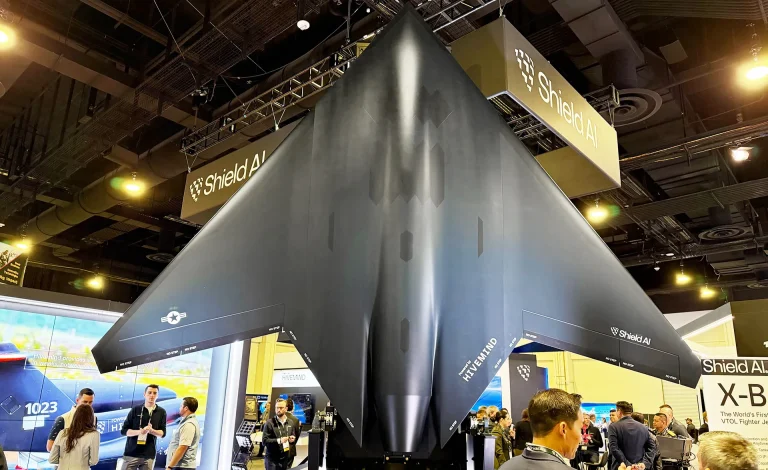
Shield AI reports new Navy funding and a matching company contribution as flight testing remains ahead.
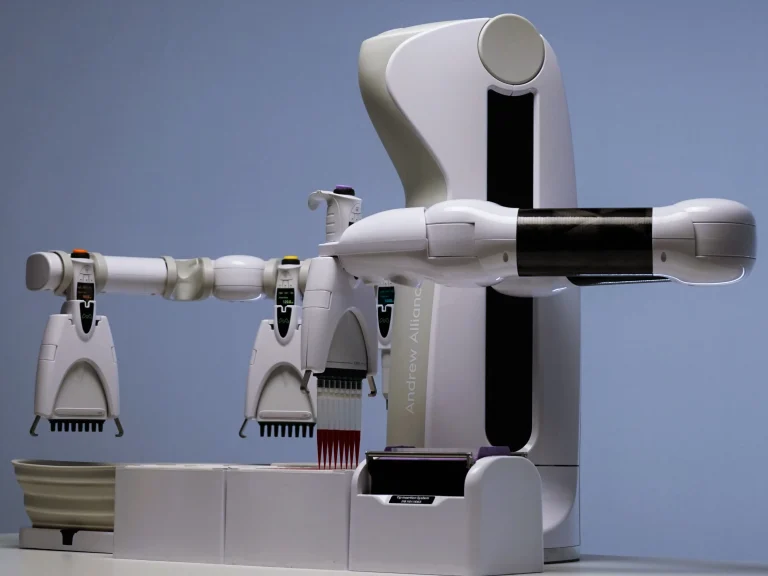
NSF’s planned instrument program builds on its laboratory network, with awards and technical details still ahead.
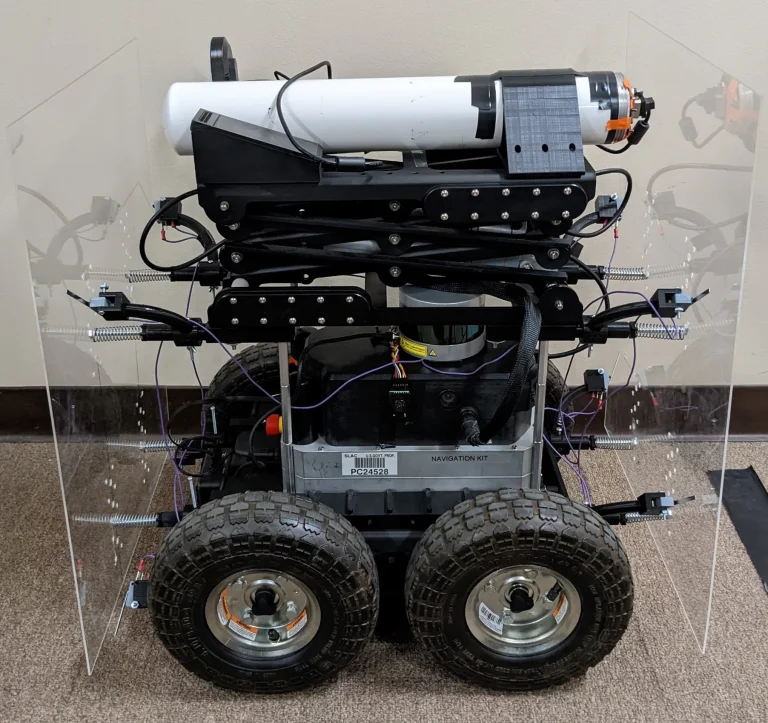
Four DOE selections will test laboratory robotics, with funding contingent on negotiations and future appropriations.
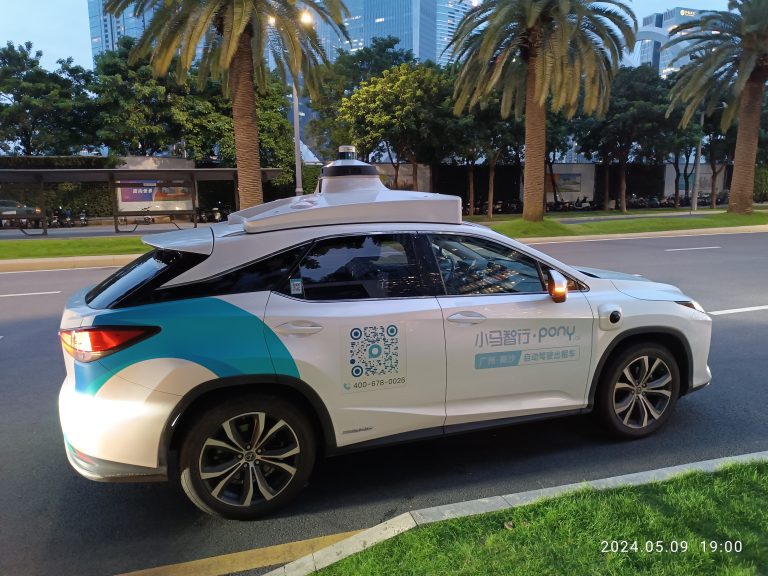
Pony.ai expects London robotaxi tests within weeks as its Uber partnership expands. Passenger access and the local operating plan remain unannounced.
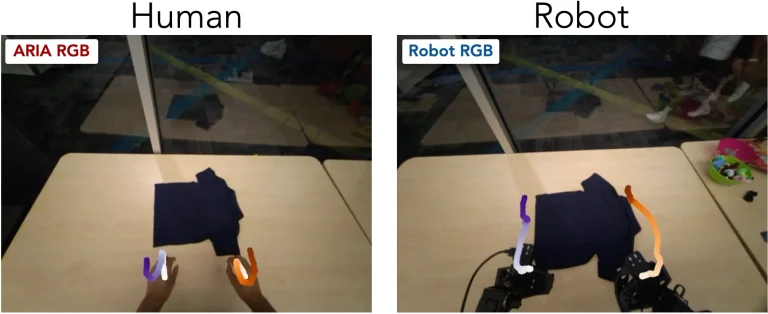
Mecka plans to expand human demonstration data and commercial robot deployment after new funding.
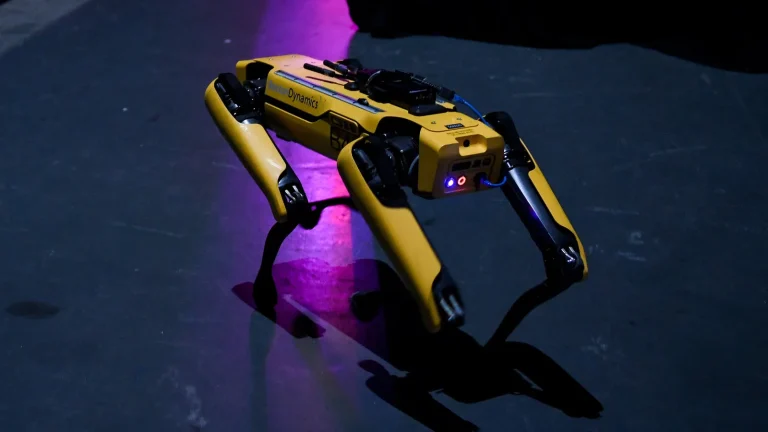
Rohit Prasad takes the helm as Boston Dynamics pursues its Physical AI strategy.
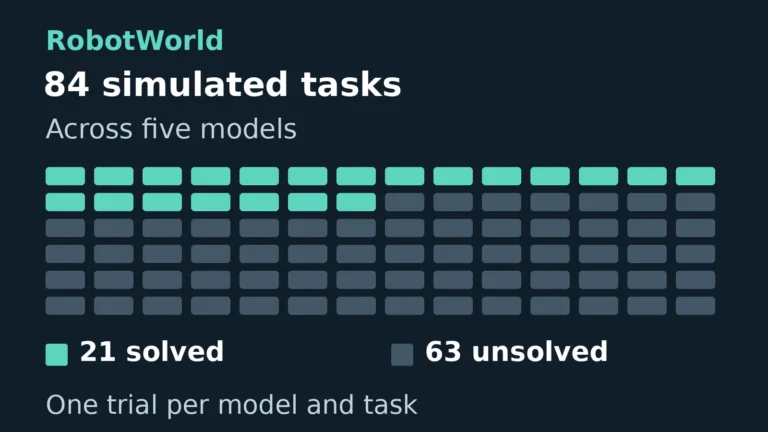
Five models leave 63 tasks unsolved in the reported evaluation.
A new benchmark separates safe task completion from efficient resource use.
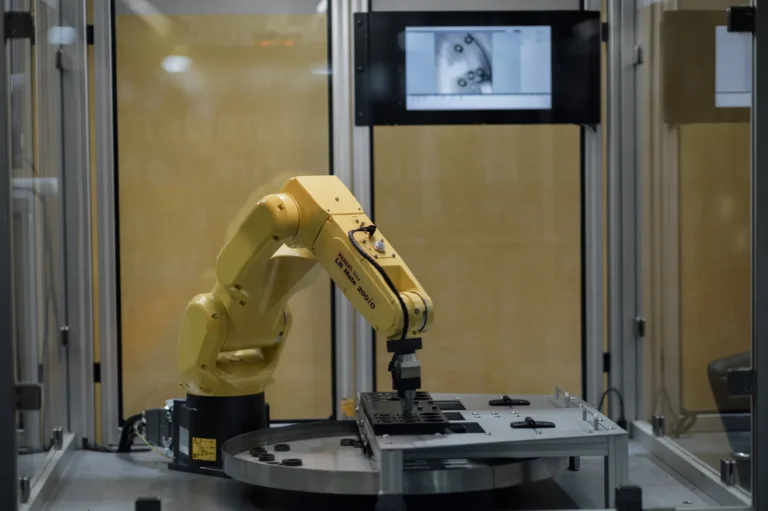
A robot study tests physical feedback without adding tactile sensors.
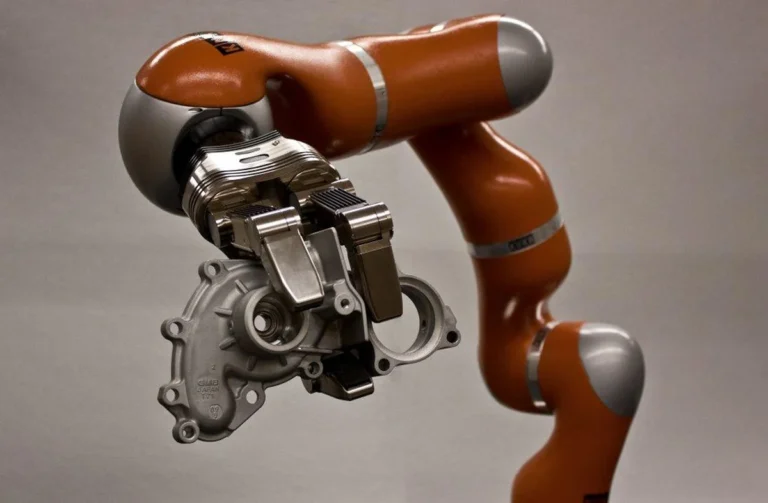
SALT studies adaptation to visual disruption using an earlier robot plan.
A new preprint evaluates robot task completion and refusals using an existing open source framework.
Stanford researchers test more selective robot practice with human supervision.
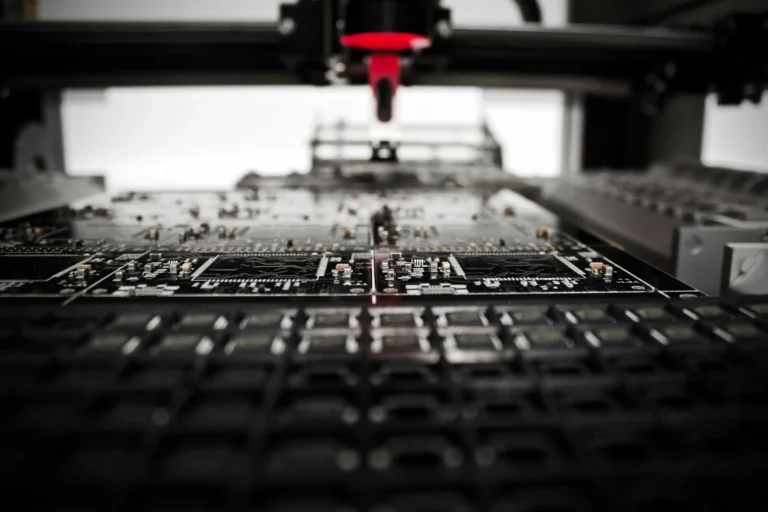
The companies plan to explore links between assembly robots and electronics testing.
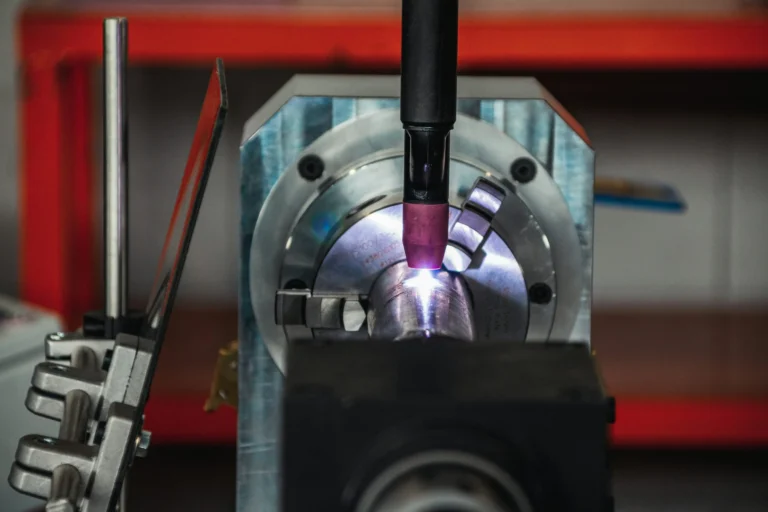
The Korean research programs cover local robot computing and automated welding.

Their first joint customer operation carries freight between Dallas and Houston with an observer in the driver’s seat.
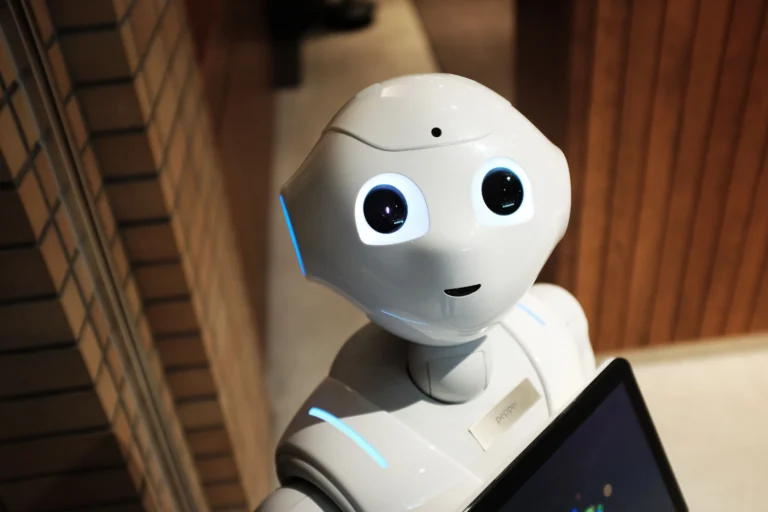
The combined company metric leaves paid sales and completed deployments unclear.
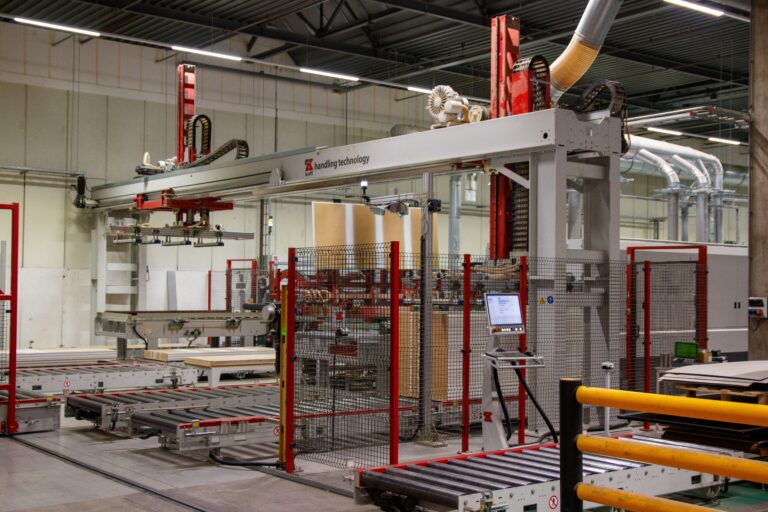
The transaction adds new capital and employee liquidity. Alfie’s commercial launch is planned for March 2027.
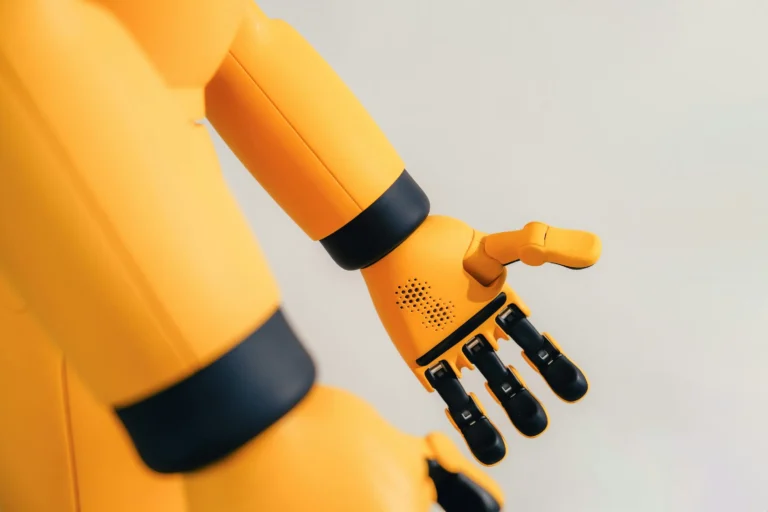
A robotics study tests direct video pretraining before labeled robot adaptation
A distillation study measures the tradeoff between robot policy speed and success
The October 5 funding announcement adds the seed amount and lead investors. The robot testing business remains available through private access.
Human video training improves a manipulation model in simulated tests
A Keio study tests a shared motion representation across robot demonstrations
Hello Robot outlines a new research phase with home studies and care staff evaluations


