Nine AI video models take on the same Verity horror prompt

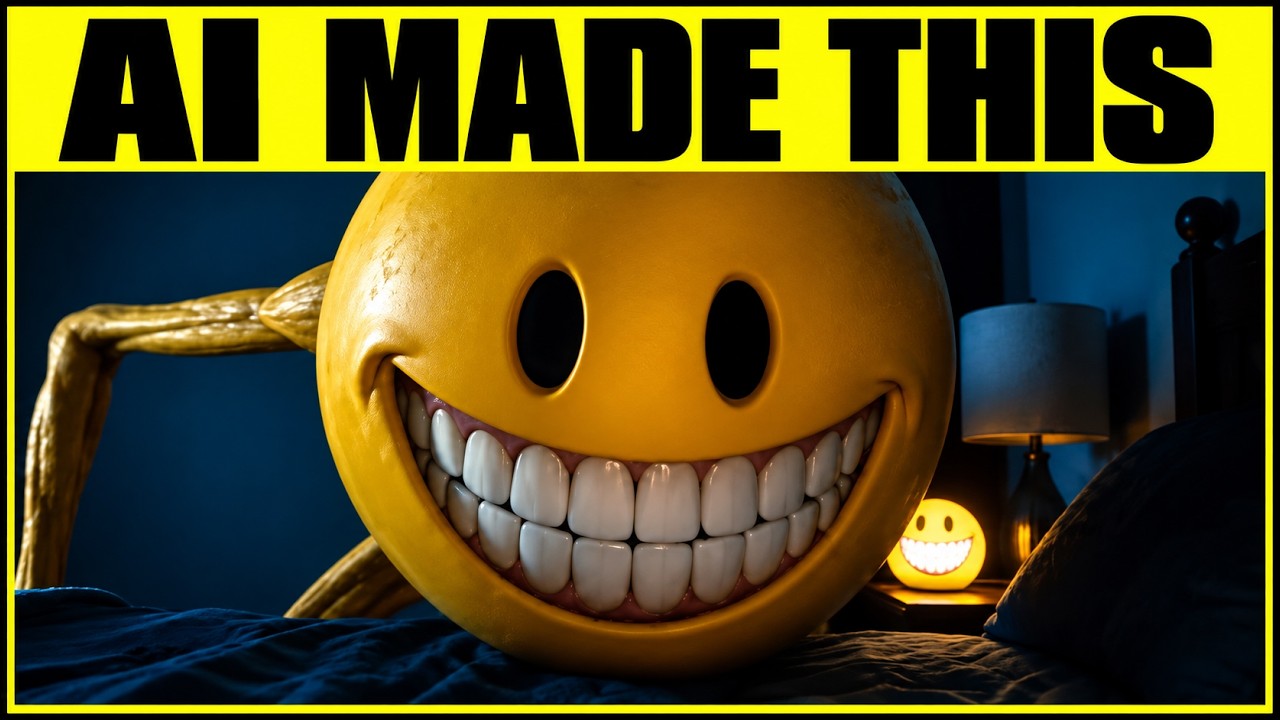
A horror scene can follow a prompt closely and still fail to frighten. It can also ignore an instruction and produce the most memorable moment. ByteForward’s October 22 comparison of nine AI video models puts that tension into a single bedroom scene, with a smiling smart speaker, a dark doorway and a figure approaching the bed.
The narrator chose Seedance 2.5 as the strongest overall result and Gemini Omni Flash 1.1 for timing. Grok Imagine 1.5 earned his favorite individual scare. Those are subjective judgments about nine particular clips, not a general ranking of the models or a repeatability benchmark.
Higgsfield sponsored the video. The narrator says every clip was generated on that platform. This article analyzes the published comparison and its stated methods. It does not claim a separate generation test.
A prompt built around five timed events
The video describes Verity as the smiling AI helper from ThatMob’s Minecraft horror series. Its experiment moves that idea into a photorealistic bedroom. A camera resting at pillow height watches a round smart speaker greet the viewer. Its face then changes, the lamp goes out and a tall yellow figure appears in the doorway. The figure should duck beneath the frame, walk toward the bed and finish with its face close to the lens.
Each stage has a two second window within a ten second continuous shot. The prompt also asks for quiet escalating dread, no gore and no comedy. That makes the comparison more informative than asking for something simply scary. Dialogue, lighting, camera position, anatomy and the final distance from the camera can each succeed or fail separately. The full prompt is in the video description.
The settings were similar rather than identical
The stated starting point was ten seconds, widescreen, 1080p and text input without reference images. The narrator reports one take per model with no retries. However, the description records three important qualifications. MiniMax H3 used 2K. MiniMax H3, Wan 3.0 and Grok Imagine 1.5 used an automatic aspect ratio because that setting was locked for text prompts, although the returned clips were widescreen. Kling 3.0’s default prompt enhancement was switched off.
These differences matter when comparing sharpness and instruction following. A single output per model also leaves variation between generations unmeasured. The video does not establish how often any model would repeat its result, nor does it test reference images, editing or longer scenes.
What the narrator noticed in each clip
The scores below are the narrator’s overall ratings out of ten. The observations summarize his commentary, rather than measurements made for this article.
| Model | Score | Commentary from the video |
|---|---|---|
| Kling 3.0 | 6.5 | Strong hands over the bed at the end, but the device resembled a tablet and the lamp brightened instead of going out. |
| Kling 4.0 | 8 | A dark room and close final grin created his preferred horror look. He also found the opening almost too dark to see. |
| MiniMax H3 | 5.5 | His sharpest image and a convincing speaker gave way to a muscular creature he found more comic than frightening. |
| Wan 3.0 | 6.5 | The final approach worked for him, but the camera moved away from the requested pillow position. |
| Seedance 2.0 | 7.5 | Moody lighting and a direct approach worked, while the face stopped short and the spoken name sounded wrong to him. |
| Seedance 2.5 | 9.5 | The lamp, oversized doorway entrance and close final face followed his intended sequence. The dialogue arrived too early. |
| FLUX 3 | 7.5 | His favorite face appeared at the end, despite a softer image and a speaker expression that changed back midway. |
| Grok Imagine 1.5 | 8 | An unexpected peek around the doorway supplied his favorite scare. The room was brighter and the final face farther away than requested. |
| Gemini Omni Flash 1.1 | 9 | His closest timing match added an effective repeated whisper, but the speaker changed appearance near the end. |
Why the most frightening moment did not win overall
Seedance 2.5 received the highest score because several requested actions came together. Grok’s doorway peek was not specified, yet the narrator considered it the strongest individual scare. MiniMax’s clarity could not compensate for a body shape that changed the mood. Those distinctions suggest a useful way to review creative outputs. Keep compliance with the brief separate from personal reaction to the finished scene.
A creator who needs a precisely timed insert has different priorities from someone looking for an unexpected idea. For the former, a drifting prop or early line can make a clip unsuitable even when the atmosphere works. For the latter, a surprising entrance might be worth developing in another pass. That is an interpretation of this comparison, not evidence that a particular model will reliably serve either goal.
Treat the credit comparison as a dated observation
The description records 160 credits for Seedance 2.5 and a promotional ten credits for Kling 4.0 for these ten second clips on October 22. The narrator consequently preferred Kling 4.0 as the budget option in this session. Those figures are his recorded generation button prices, not verified current offers or equivalent cash costs. Promotions and account conditions need checking before another run.
What this test leaves unanswered
This is a narrow creative comparison, not a new model announcement. ByteDance’s original Seedance 2.5 announcement is dated July 31, 2026 and describes longer generation, reference inputs and editing capabilities. None of those broader workflows is evaluated by this ten second text prompt. Our Seedance 2.5 overview explains why a duration limit should not be confused with guaranteed camera continuity.
For a more demanding comparison, preserve the prompt and settings, record every attempt and decide in advance which failures would require a new render. Judge the camera, spoken lines, object consistency and timing separately before adding a personal horror score. The full video lets viewers inspect the clips and disagree with the narrator’s preferences. Our earlier look at the work behind AI game demos applies a similar distinction between an appealing demonstration and the process behind it.
Featured image from ByteForward’s accompanying YouTube video. It illustrates the fictional horror comparison, not a real event.