
Jump Trading describes longer AI research with GPT 6 Astra
OpenAI publishes a customer account of longer quantitative research tasks with continuing human review.
Accessibility Adjustments
Use these optional tools to adjust reading and display preferences. These tools cannot resolve every accessibility barrier. Please contact the website owner if you need assistance.


The AI industry is shaped by the companies, infrastructure, and business decisions behind the technology. This category follows funding, acquisitions, partnerships, chip supply, data centers, and the economics of building and operating AI services. We examine how pricing, computing costs, distribution deals, and enterprise demand influence which products reach customers. Coverage asks what an announcement reveals about a company’s strategy and what evidence supports its claims. Readers can connect those business moves with new AI model releases and the capabilities they bring to the market. Our reporting also considers how AI tools used at work affect adoption, purchasing decisions, and competition. Layoffs, hiring plans, infrastructure commitments, and revenue claims matter most when their scope and context are clear. The aim is to explain who is building the AI economy, where the commercial pressure sits, and what those choices mean for users and businesses.
OpenAI publishes a customer account of longer quantitative research tasks with continuing human review.

Chakra observes practical work and gives hiring teams scores tied to interview evidence.
Zeta plans to bring AI answer visibility and audience data technology in house through two acquisition agreements.
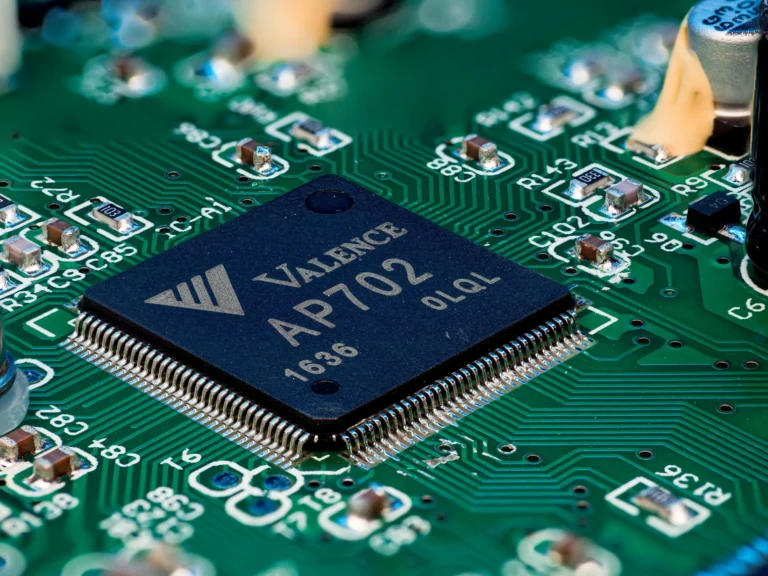
Developers can register for femtoAI’s platform, with a company NDA required to access its SDK and models.
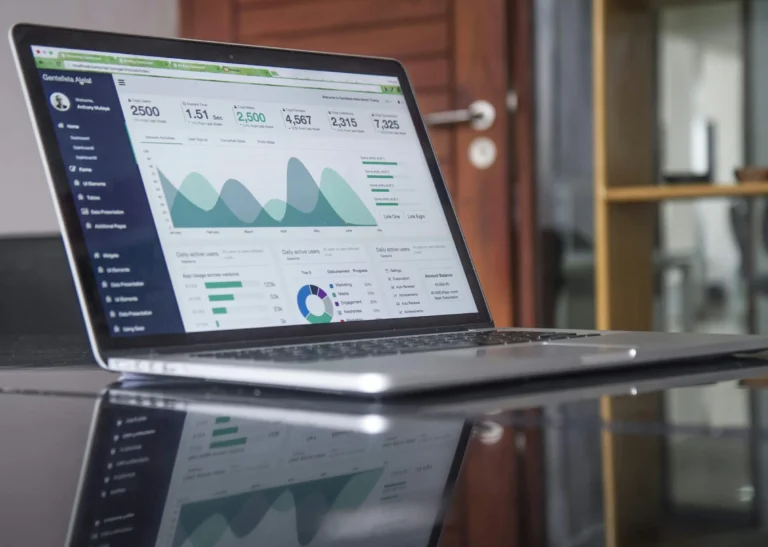
SignSplit says W Group backing combines capital and strategic resources for a consented data platform.
A new whitepaper sets out workload controls and deployment choices.
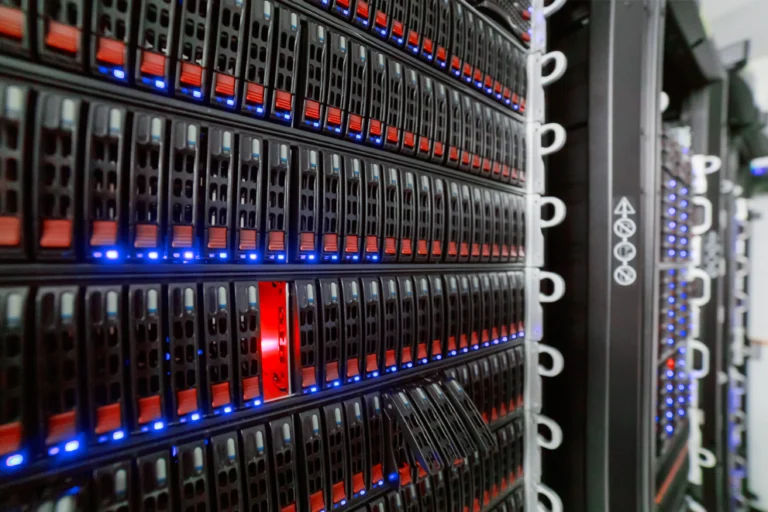
Lisa Su says AMD needs more advanced wafer capacity and closer coordination with memory suppliers.
SAP plans to acquire TechWolf and bring its skills data into SuccessFactors. The deal is expected to close in the fourth quarter.
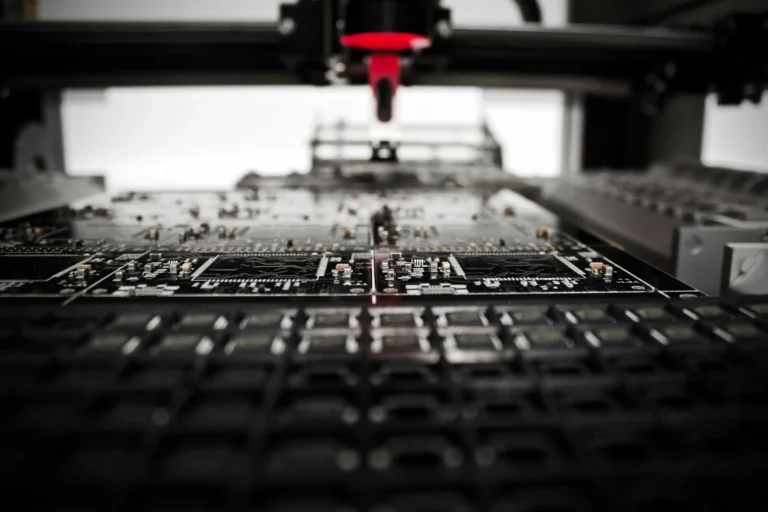
The companies plan to explore links between assembly robots and electronics testing.

The revised Kentucky Power timetable depends on regulatory approval and utility construction.

Their first joint customer operation carries freight between Dallas and Houston with an observer in the driver’s seat.

Its employer data shows rising mentions of applied AI skills and a decline in foundational skills from their peak.

The new setup flow requires established API usage and an authorized organization administrator.

The combined company metric leaves paid sales and completed deployments unclear.

The multiyear agreement covers North American projects, with delivery dates and contract value undisclosed.
The offering combines Rubrik controls with LTM assessments, deployment and ongoing governance.
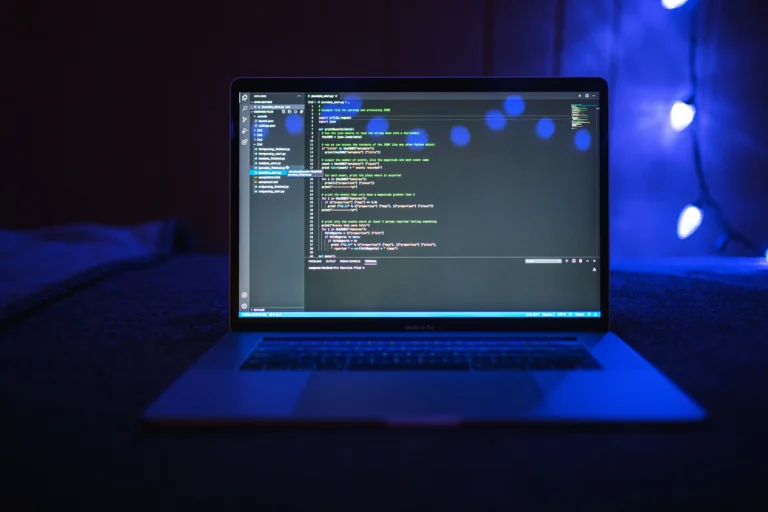
Google’s console interface brings Java, .NET and mainframe assessment tools together.
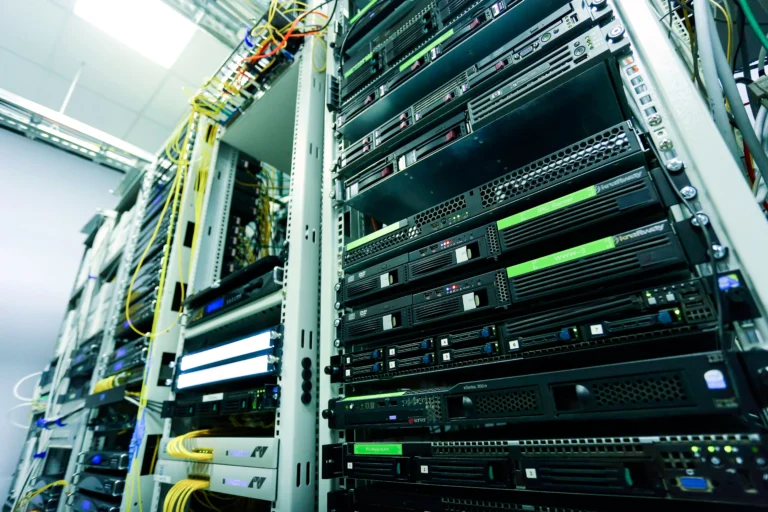
The collaboration links network protections with software fixes. Zscaler’s shield remains in early access.
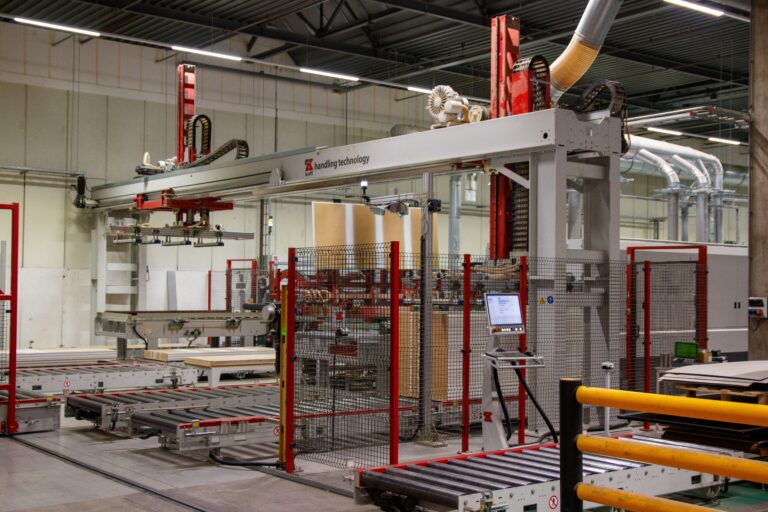
The transaction adds new capital and employee liquidity. Alfie’s commercial launch is planned for March 2027.

The global partnership combines Cohere’s North platform and models with PwC’s work on implementation, governance and business processes.

Five warehouse agents became available on October 5, alongside a framework for setting authority by task, operational context and organizational readiness.
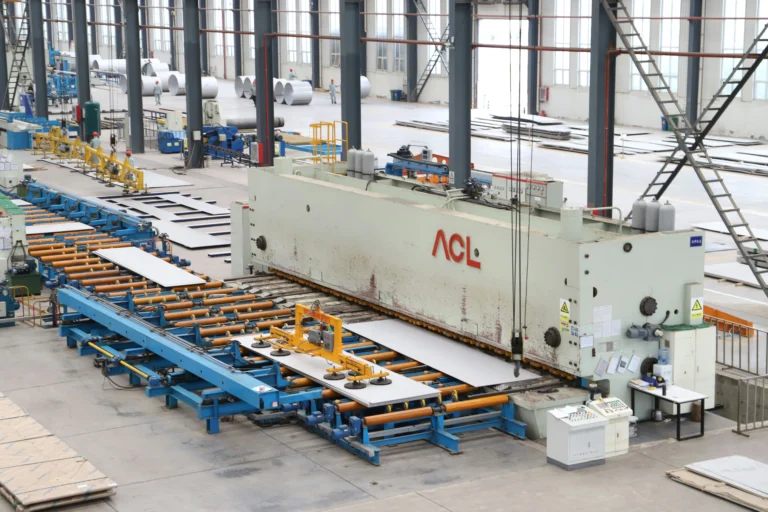
The cash agreement would add industrial design software to Schneider’s AI plans. Shareholder and regulatory approvals are still required.
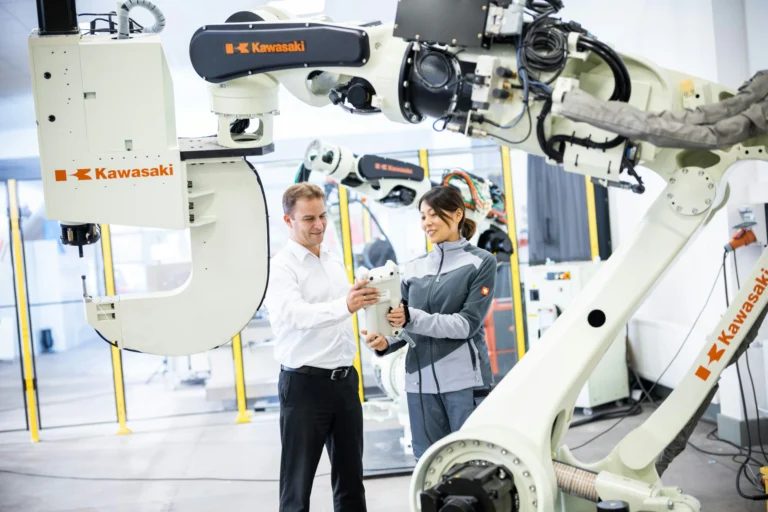
The October 5 funding announcement adds the seed amount and lead investors. The robot testing business remains available through private access.
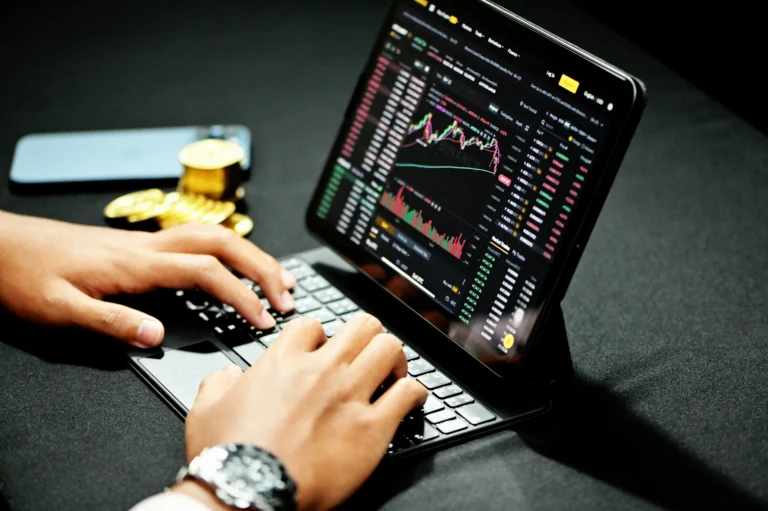
The October 5 rollout expands access beyond a limited beta. Eligibility still applies and wider availability is planned.


