
Pear closes $333 million fund as AI founders weigh its early funding routes
Pear’s fifth fund spans AI and other sectors. Its existing investment pages explain check sizes, ownership targets and the practical requirements for PearX.
Accessibility Adjustments
Use these optional tools to adjust reading and display preferences. These tools cannot resolve every accessibility barrier. Please contact the website owner if you need assistance.


The AI industry is shaped by the companies, infrastructure, and business decisions behind the technology. This category follows funding, acquisitions, partnerships, chip supply, data centers, and the economics of building and operating AI services. We examine how pricing, computing costs, distribution deals, and enterprise demand influence which products reach customers. Coverage asks what an announcement reveals about a company’s strategy and what evidence supports its claims. Readers can connect those business moves with new AI model releases and the capabilities they bring to the market. Our reporting also considers how AI tools used at work affect adoption, purchasing decisions, and competition. Layoffs, hiring plans, infrastructure commitments, and revenue claims matter most when their scope and context are clear. The aim is to explain who is building the AI economy, where the commercial pressure sits, and what those choices mean for users and businesses.
Pear’s fifth fund spans AI and other sectors. Its existing investment pages explain check sizes, ownership targets and the practical requirements for PearX.

Harmonic’s Series B funds workplace AI controls. Its product tiers separate monitoring from agent permissions, with prompt injection blocking still planned.

Suki plans to expand healthcare AI, integrations and its partner business.
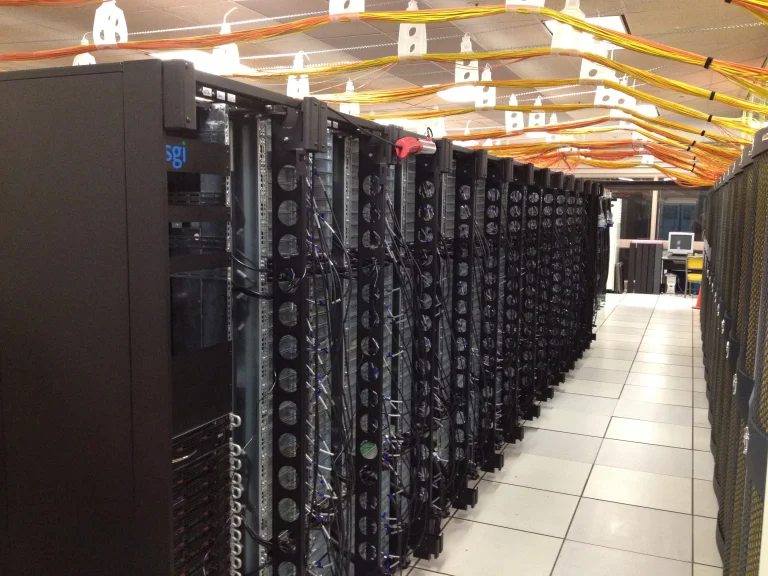
Scaleway names AMD hardware for Sweden and plans NVIDIA capacity in Copenhagen. Customer availability remains unconfirmed.

The opening adds a local presence as Singapore seeks closer AI cooperation.
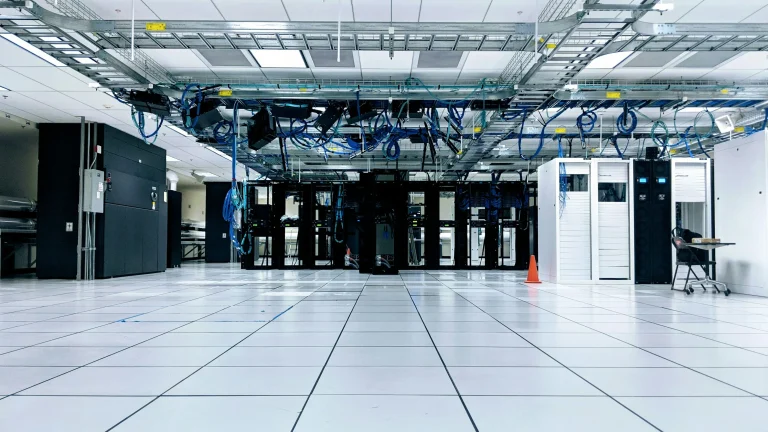
Public code exposes the orchestration stack, with separate checks needed for packaging, dependencies and support.
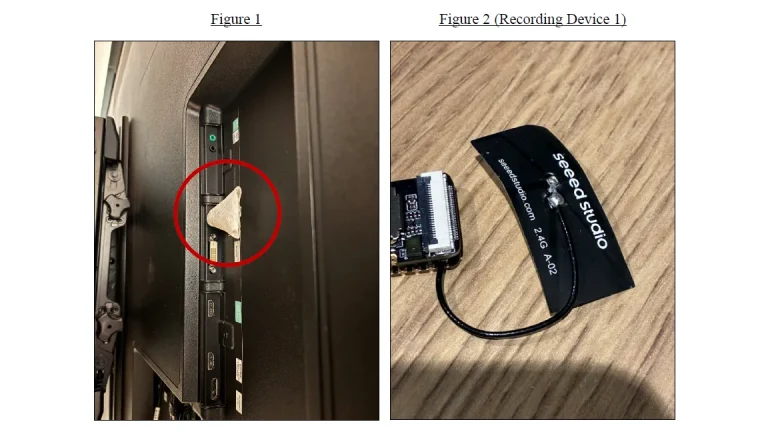
A recorder found inside OpenAI raises questions about physical security and the evidence needed to assess AI assisted investigations.

The engineering account raises a practical question for teams adopting coding agents. Which parts of the delivery pipeline should change first?
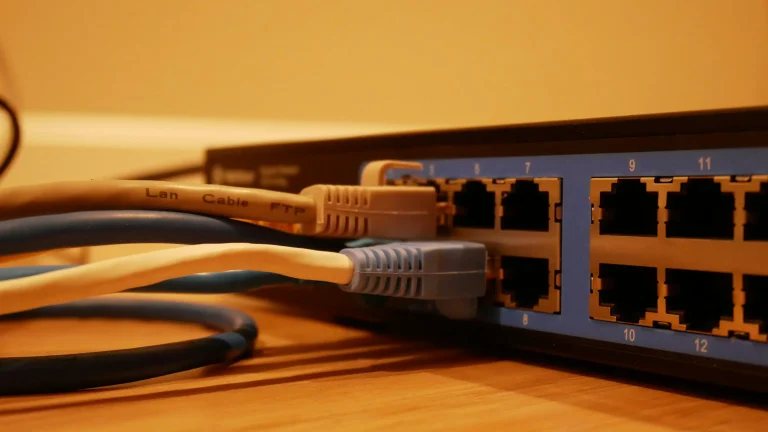
Meta pairs higher bandwidth AI switches with an open management effort whose specification still has unfinished requirements.
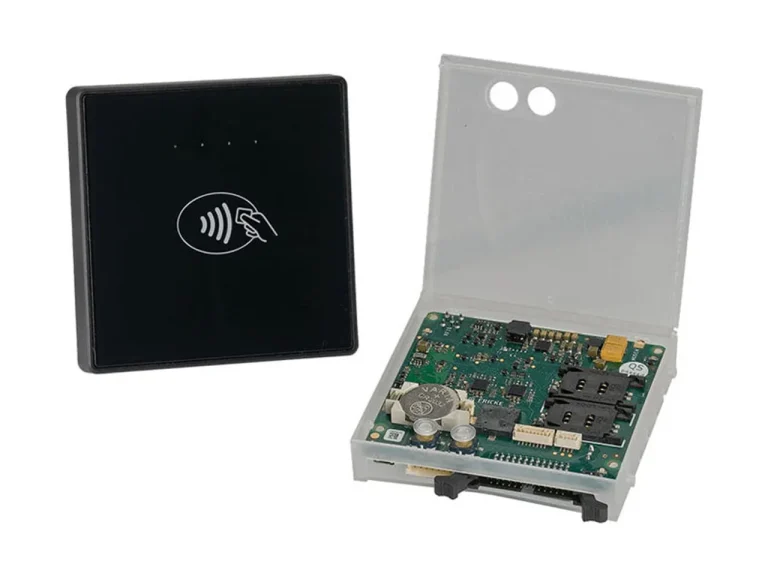
The framework would give issuers authenticated purchase instructions before an AI agent completes a transaction.

The proposed investment would support AI hiring and model development in Europe.

Melius reports cumulative funding for its creative tools. Editable workflows, generation credits and planned features shape the practical evaluation.
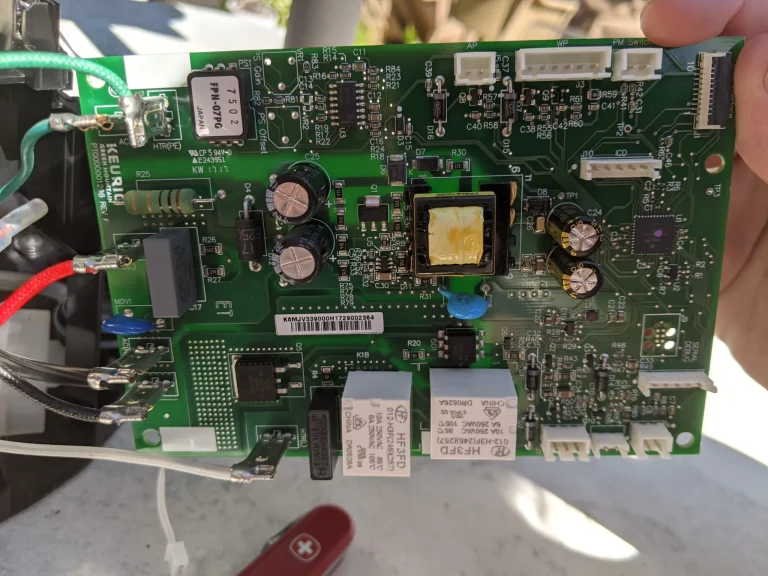
Ubitium plans evaluation chips in 2027 after a $14 million seed round.
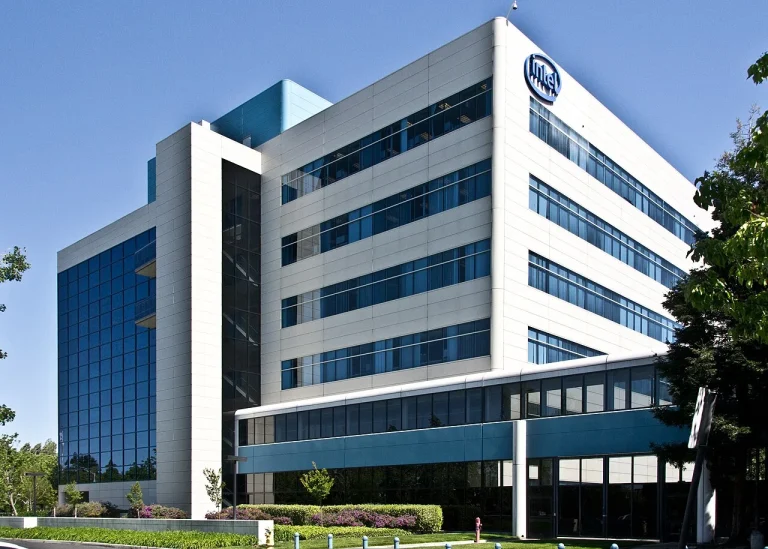
Intel confirms D270 sampling, with 160GB on its own cards and larger options for partners.

Drylab has raised US$3 million from Vertex and PatSnap. Its research agents combine automated analysis with scientist review and several deployment options.

The expanded Halo lists at $7,299.99 for Linux. Windows Project Zenith remains forthcoming, and model capacity depends on quantization.

The X Subscription bundles Grok and Cursor usage, while models from other providers cost extra. Existing customers can keep their current plans.

Mistlabs announces new backing for its conversational assistant. Desktop links are visible, while mobile access remains unclear and the privacy policy distinguishes audio from stored context.

Scarlet plans more assessors and international expansion as it scales AI medical device certification.
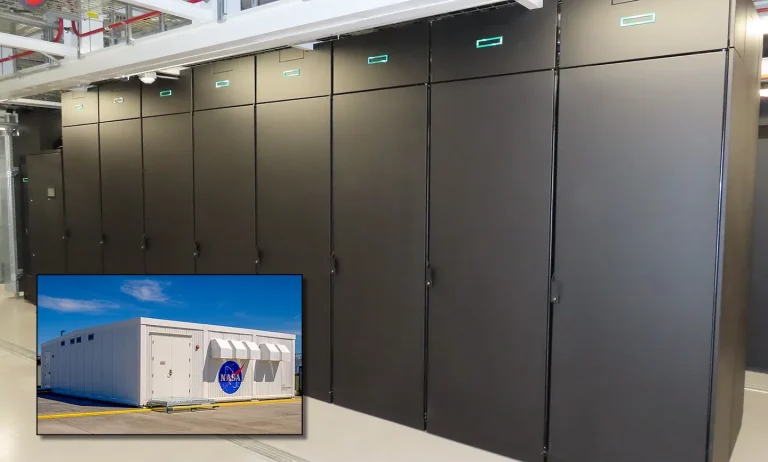
AMD’s new rack blueprint puts CPU capacity behind AI agents, with an integrated GPU option for enterprises.
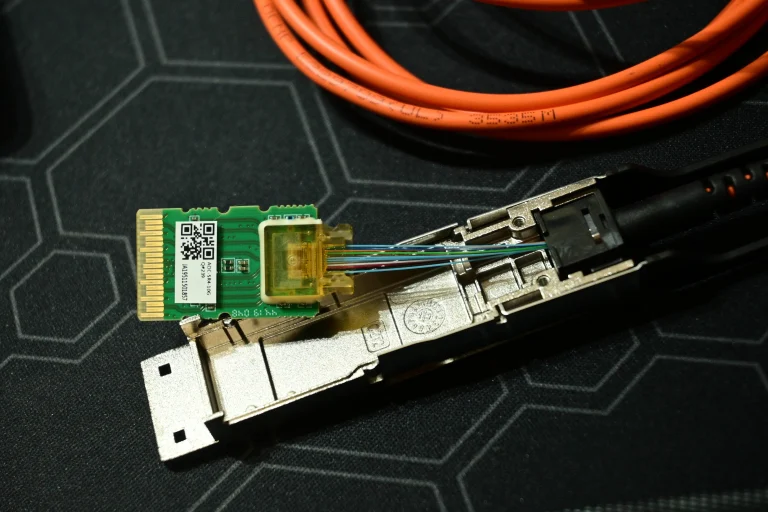
NVIDIA shares rack designs while its work with Cisco points toward a future optical specification.
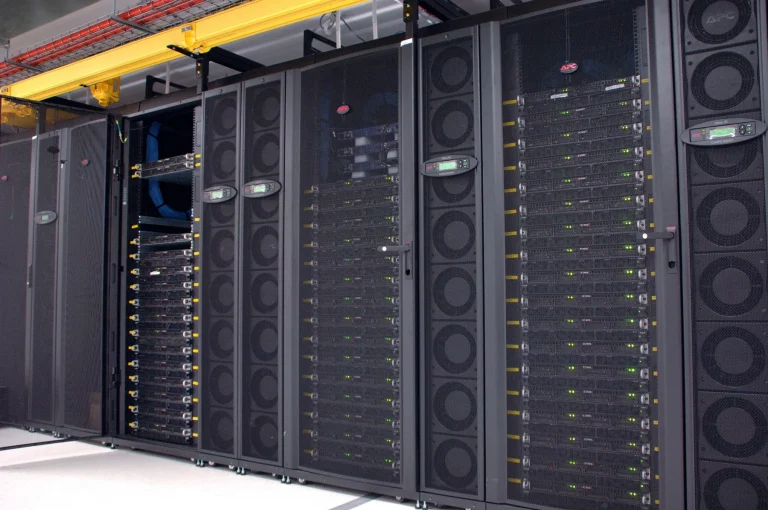
SWI announces new equity funding for its computing expansion, with delivery details still pending.
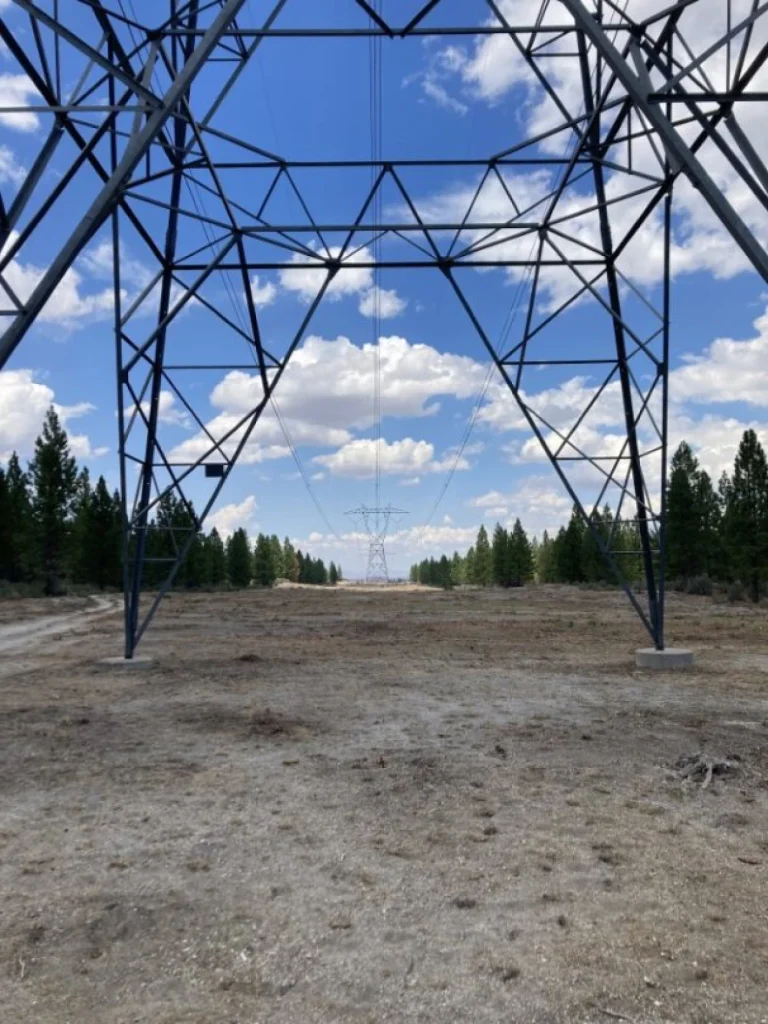
The French company plans a larger airship fleet for inspecting critical infrastructure.
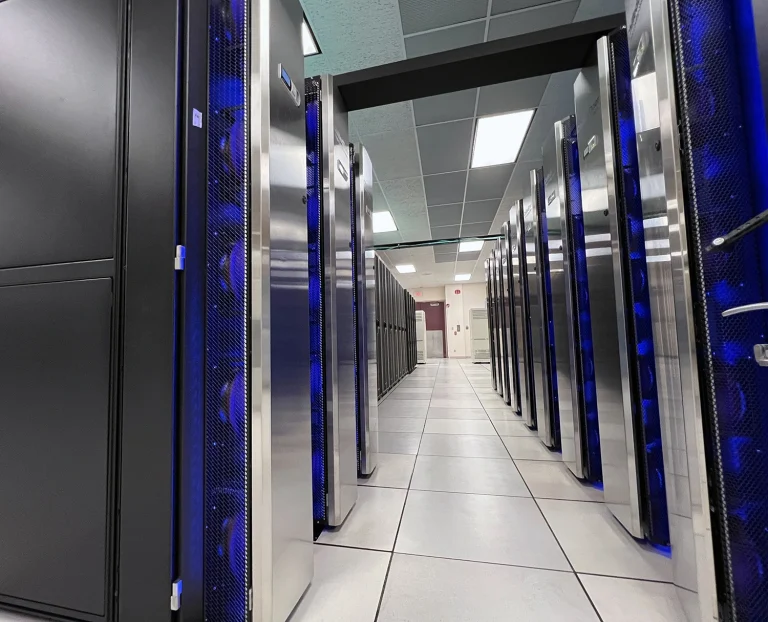
Maia 300 brings larger memory and denser racks to Microsoft’s planned AI infrastructure expansion.


