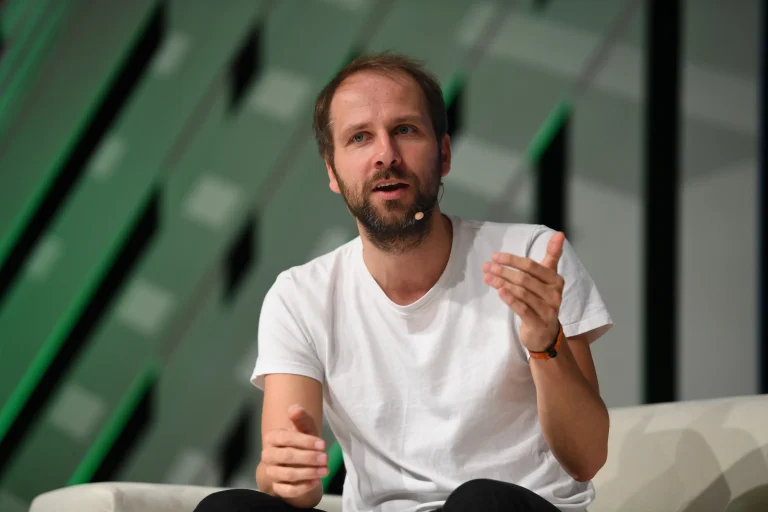
Ecosia clarifies its open model AI strategy
Model choice, hosting and environmental estimates each tell a different part of the story.
Accessibility Adjustments
Use these optional tools to adjust reading and display preferences. These tools cannot resolve every accessibility barrier. Please contact the website owner if you need assistance.


The AI industry is shaped by the companies, infrastructure, and business decisions behind the technology. This category follows funding, acquisitions, partnerships, chip supply, data centers, and the economics of building and operating AI services. We examine how pricing, computing costs, distribution deals, and enterprise demand influence which products reach customers. Coverage asks what an announcement reveals about a company’s strategy and what evidence supports its claims. Readers can connect those business moves with new AI model releases and the capabilities they bring to the market. Our reporting also considers how AI tools used at work affect adoption, purchasing decisions, and competition. Layoffs, hiring plans, infrastructure commitments, and revenue claims matter most when their scope and context are clear. The aim is to explain who is building the AI economy, where the commercial pressure sits, and what those choices mean for users and businesses.
Model choice, hosting and environmental estimates each tell a different part of the story.

What Jev offers and what buyers should verify.
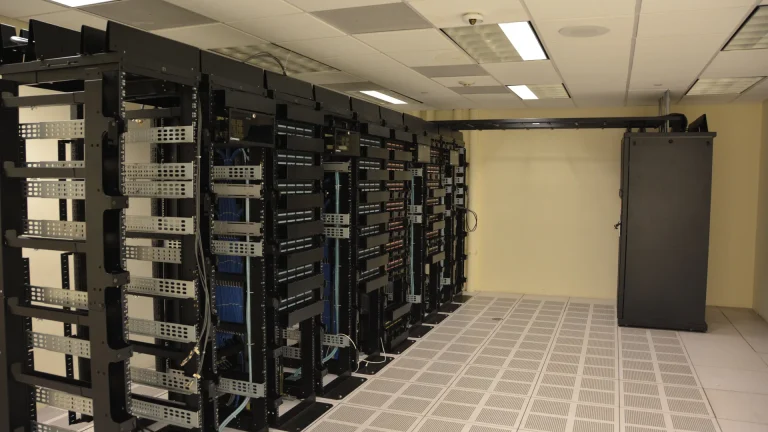
CPU cloud ownership brings practical tradeoffs.
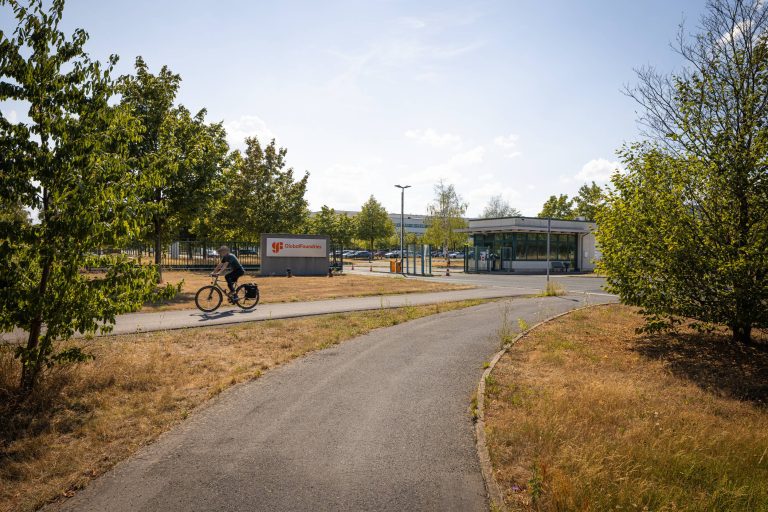
The FDX Fusion roadmap pairs chip performance targets with a Dresden expansion milestone. Development still depends on German federal approval.

GlobalFoundries’ TSMC agreement targets silicon interposers in New York, with a 2028 production ramp. The component’s role explains the implications for AI hardware supply.

TSMC’s September figures show strong annual sales growth. Earlier computing disclosures explain the AI context and the limits of the monthly report.

Google confirms a March 31, 2027 cutoff for bundled Code Assist. Standalone subscriptions retain separate seat, renewal and contract deadlines.
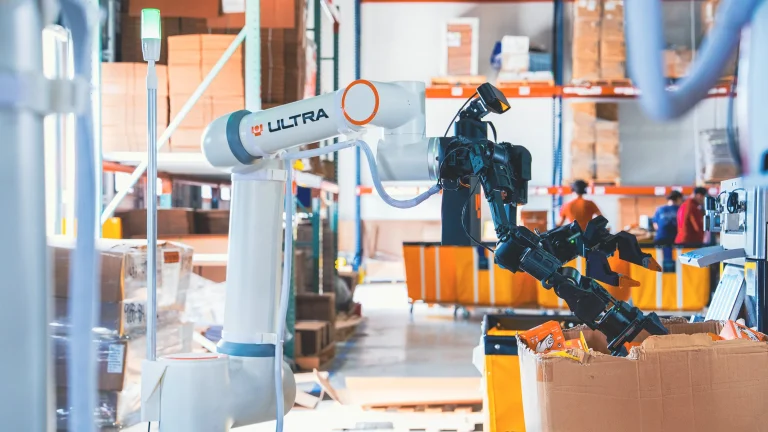
Ultra confirms a $50 million Series A as an earlier filing and existing deployments put its expansion plans in context.

CaixaBank plans Gemini Enterprise agents for document work as its existing cloud alliance expands.

Shield AI reports new Navy funding and a matching company contribution as flight testing remains ahead.

Indosat’s AI marketplace is live, with a broader platform planned for November. Model access, pricing and local processing need a closer look.

New funding backs Sabi’s cap ambitions. The next test is whether decoded instructions preserve a wearer’s intent.

Anthropic says it will review all startup applications again while claimed offers remain usable. Founders should check their account before relying on a grant.

Automation Anywhere plans to connect Boost.ai conversations with business execution. The deal remains pending and an integrated product timeline is undisclosed.
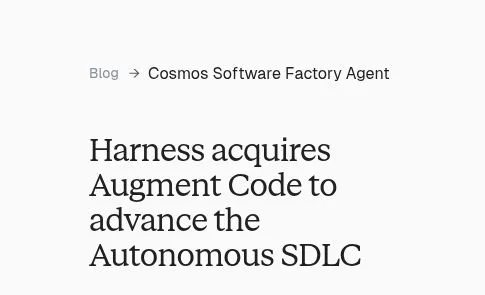
Harness acquires selected Augment assets. Here is how Cosmos handles tickets, reviews, permissions and costs, and what still depends on future integration.
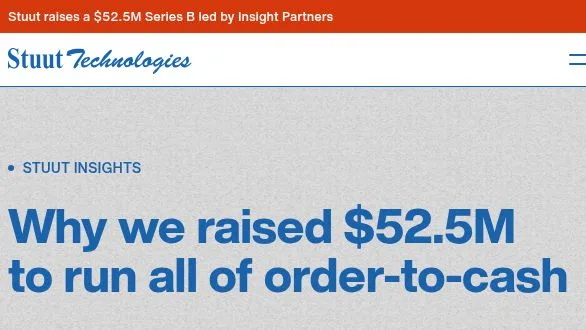
Stuut plans to expand business finance automation after a new funding round led by Insight Partners.
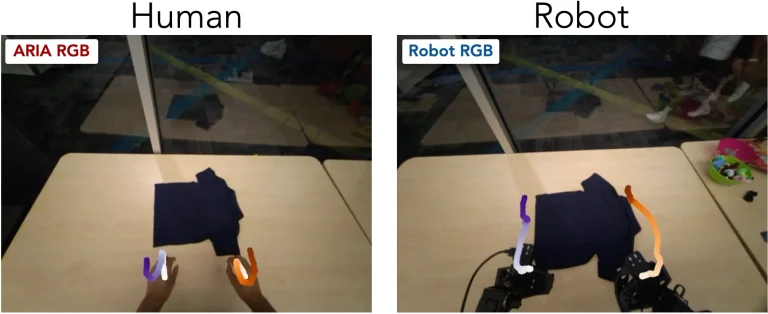
Mecka plans to expand human demonstration data and commercial robot deployment after new funding.

Rohit Prasad takes the helm as Boston Dynamics pursues its Physical AI strategy.
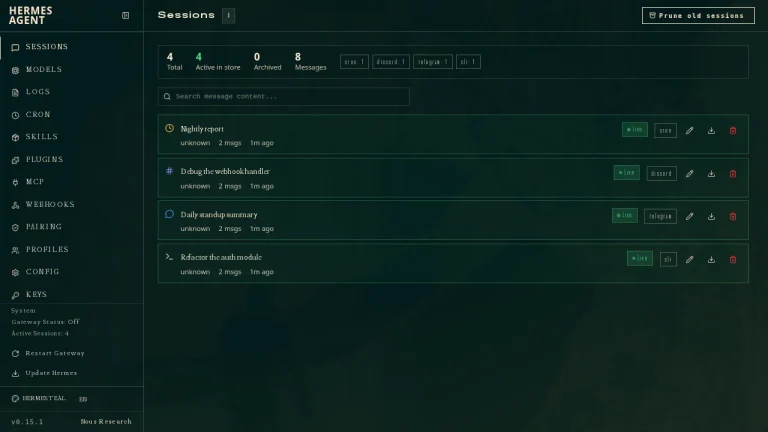
Nous confirms new funding and plans for a business offering built around Hermes Agent.

Google and Constellation plan additional nuclear output.
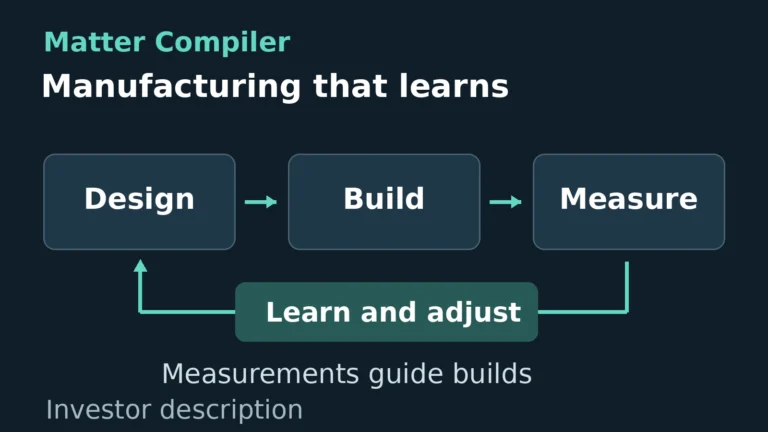
Atomic Machines introduces the Matter Compiler and says its first relay is shipping to early customers for evaluation.
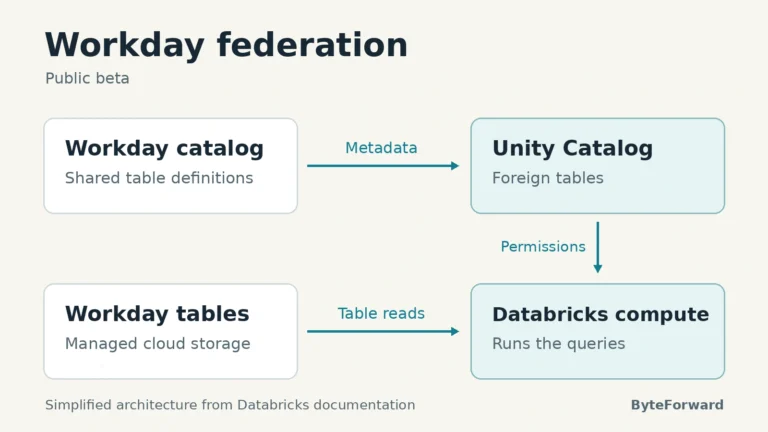
The connector gives Genie access to approved Workday data through Unity Catalog, with queries running on Databricks compute.
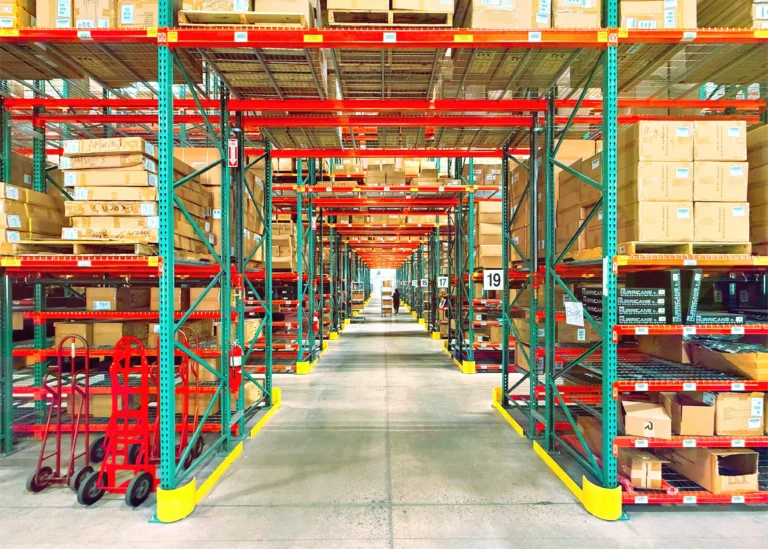
XAnge leads a Series A for supply chain data connections that support automated trade.

Norrsken leads a Series A for AI agents that handle medical appointments and routine patient calls.

