Shield AI says X BAT commitments reach $400 million

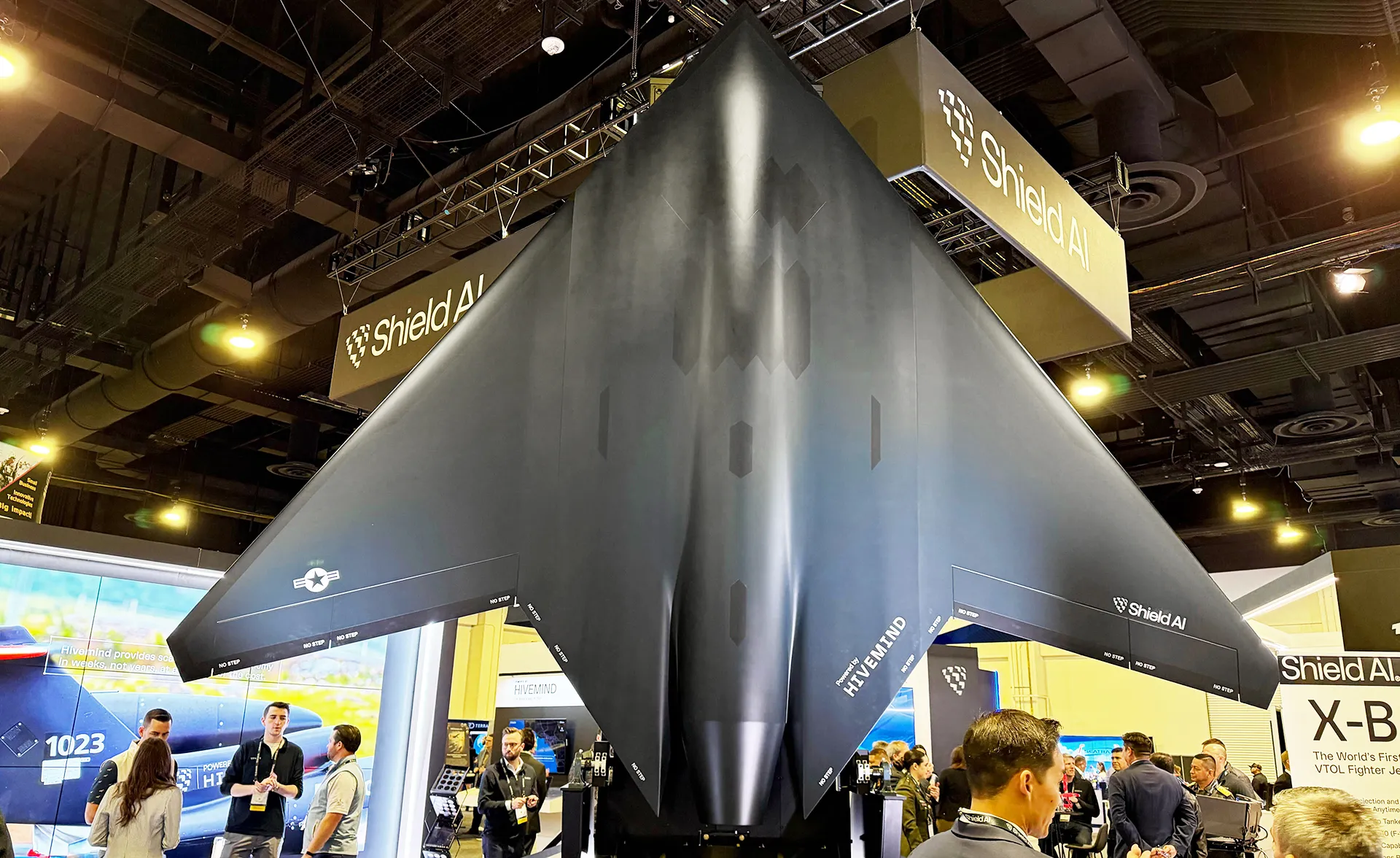
Shield AI says announced commitments to its X BAT aircraft program have reached $400 million. The October 8 update adds government and company funding while the autonomous aircraft remains in development. The release schedules flight testing for later in 2026.
How the commitments add up
The company reports a $150 million modification to an existing Navy Other Transaction agreement and plans to contribute another $150 million itself. Those amounts join an earlier $50 million government action and Shield AI’s separate $50 million private commitment.
The Navy’s August 13 announcement independently confirms the earlier government action. It names the Department of the Navy Rapid Capability Office, PAE Aviation and the Defense Innovation Unit as participants. Its short statement describes an expansion of existing risk reduction work with Shield AI. That gives the project a documented government development history, although the statement predates the new funding report.
The total describes announced program commitments. The release gives no disbursement schedule, production aircraft order or company valuation. Reading the headline as money already spent, fleet purchases or a new equity round would overstate the disclosure.
Why exportability is part of the funding
The latest government action uses Defense Exportability Features funding, according to Shield AI.
The government’s explanation of that program describes a way to consider export requirements during development. Its business rationale is to reduce expensive changes later and make suitable versions available to partner countries sooner. Participating programs can seek support for studies covering potential markets, feasibility and the cost of preparing a system for export.
That context helps explain why funding can arrive while an aircraft is still being developed. The work concerns the possibility of future international sales. Selection for exportability support does not, by itself, identify a foreign buyer or establish that an export has been approved.
Ground tests and the company timetable
GE Aerospace provides a separate account of progress from an industrial partner. In a July 20 announcement, GE and Shield AI reported successful engine ground testing for X BAT at GE’s site in Peebles, Ohio. GE said it had been selected in November 2025 to provide the engine, propulsion and testing support.
GE described further ground work as preparation for testing aboard the aircraft prototype. Its announcement documents a supplier milestone. It does not report an X BAT flight. Experience with an existing engine also cannot establish the airworthiness of the complete new aircraft.
Shield AI’s current product roadmap lists first flight in 2026, mission capability by 2028 and production in 2029. These are company targets. The page describes an aircraft intended to take off and land vertically, with Hivemind software as its AI pilot.
The roadmap’s milestones describe different stages of development. A first flight would provide evidence about a prototype. A mission capability target concerns a later level of performance, while a production target concerns manufacturing. None of those dates should be presented as a confirmed fleet deployment schedule or proof of completed carrier trials.
What would make the investment easier to assess
For a program at this stage, the useful next disclosures would connect spending to results. Dated flight test outcomes, changes to the development timetable and clearer production plans would allow readers to judge whether progress is keeping pace with the ambition. A supplier milestone is valuable evidence, but it answers a narrower question than whether a complete aircraft is ready for service.
The financial picture would also become clearer with a breakdown of funds committed, funds spent and work still to be financed. Those distinctions matter when comparing a development program with a company fundraising announcement. A large headline number can describe very different levels of commercial maturity.