Oxide raises $445 million for cloud hardware

Oxide Computer announced a $445 million Series D on October 9, 2026. Eclipse led the round, with Atreides Management and AMD Ventures joining as new investors.
The company says it reached profitability and needs working capital for components and manufacturing because demand exceeds production. USIT, Riot Ventures and Jane Street also participated. The founders say the money supports existing orders and additional demand.
What the rack provides
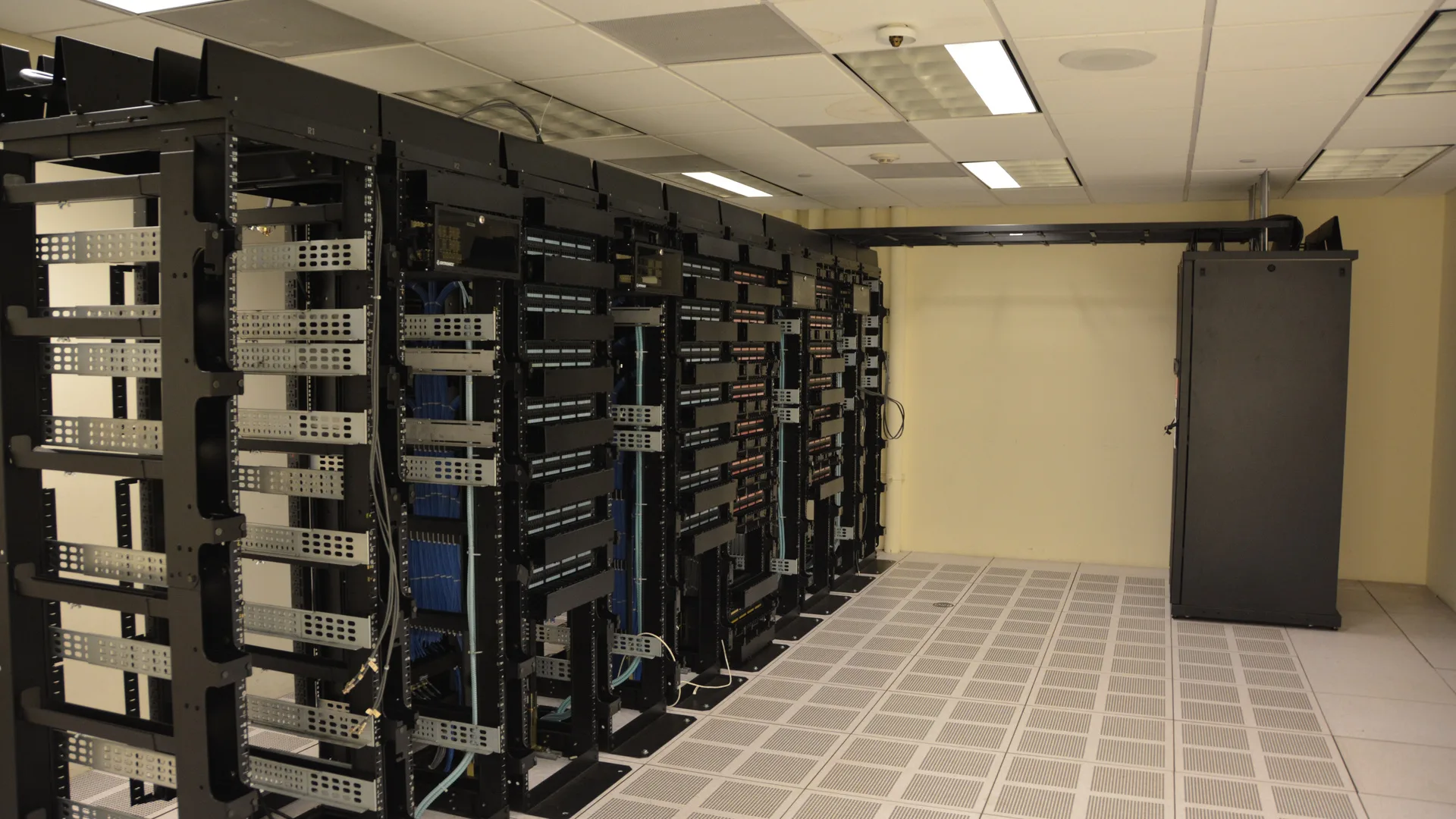
Oxide sells an integrated rack combining compute, storage, networking and software. Users provision virtual machines through a console, command line or API. Current second generation sleds use AMD EPYC 9005 CPUs.
Buyers contact sales. The announcement gives no delivery guarantee. Sites need suitable power, cooling, floor loading and network connections.
Where CPUs fit in AI
Its AI pitch covers data preparation, retrieval, classical machine learning and CPU inference. This funding announcement establishes neither GPU availability nor application performance.
AMD’s inference guidance explains the hardware choice. It positions server CPUs for smaller models and batch work, while larger models, higher request volumes and tighter response times can favor GPUs. That is a workload selection framework from the chip supplier, whose financial interest in this round also deserves attention.
For an enterprise buyer, the practical question is where time is spent. A document workflow might spend much of its time preparing data, searching an index or running a modest classifier. An interactive service serving a much larger model has different demands. A useful evaluation separates those stages and records concurrency, memory use and response time. A processor family name alone cannot establish that the whole application meets its target.
ByteForward previously covered Microsoft’s planned AMD Helios deployment on Azure, a separate approach to accelerated cloud infrastructure.
A concrete operational use
SUSE’s customer account of Switch provides a specific example of the surrounding infrastructure work. The data center operator combined Oxide hardware with Rancher Prime and Linux Micro. The account describes a proof of concept followed by adoption, with enterprise support and a custom Rancher node driver developed by Switch and Oxide.
SUSE reports that the system enabled environmental and power telemetry every 10 seconds, compared with hourly collection previously. It also reports that deployments moved from days to minutes. These are outcomes described by a participating supplier and customer. They do not isolate the contribution of the rack from changes to software and operations.
The useful lesson is the shape of the project. Faster monitoring required hardware, orchestration, application changes and support to work together. Teams comparing infrastructure should ask which components produced the improvement and which integration work they would need to repeat. The example supports a concrete use case without promising the same result elsewhere.
Capacity planning still matters
Kubernetes documentation makes one deployment constraint explicit. Its scheduler places workloads using requested CPU and memory capacity. A node can refuse another workload even when measured utilization looks low. On Linux, CPU limits can throttle execution, while exceeding a memory limit can lead to a process being killed.
Consider a hypothetical team sharing a cluster between document indexing and an interactive assistant. Overstated resource requests may prevent additional work from being scheduled. Tight CPU limits may slow work that does start. Memory exhaustion can interrupt processing. A deployment pilot should examine pending workloads and throttling alongside average utilization, then repeat the test at the expected busy period.
Record completed jobs, failed jobs and retries beside resource metrics. For an interactive service, include the slowest responses during the busy period. Those checks help show whether the issue is insufficient capacity or resource allocation.
That operational evidence is what makes capacity useful. A purchasing assessment should show how the proposed configuration handles the actual workload mix, including contention. Funding size cannot answer that engineering question.