NVIDIA adds DGX Spark 64GB from $4,999 for October 23
The partner configuration keeps GB10 while cluster setup and model deployment remain separate steps.

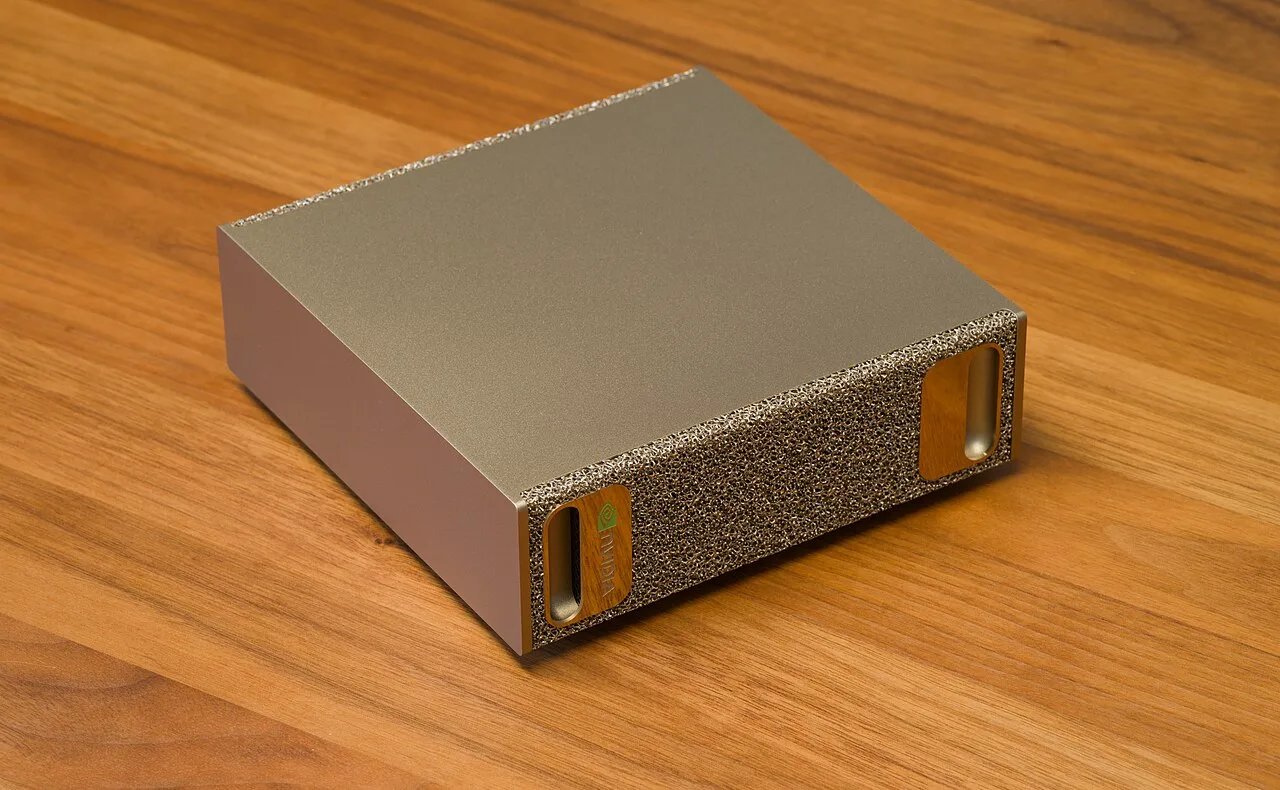
NVIDIA announced DGX Spark 64GB on October 2, with partner systems due October 23 from $4,999. Acer, ASUS, Dell, Gigabyte, HP and MSI will offer the configuration, which retains the GB10 chip and DGX OS.
NVIDIA claims support for models up to 100 billion parameters on one unit. Two linked systems provide 128GB combined memory and support up to 200 billion parameters, according to the company. These are capacity claims rather than guarantees for every model format.
Clustering prepares the network
The Sync Cluster Assistant documentation draws a useful boundary. The assistant configures the network between devices. It does not install or configure inference and training workloads. That distinction matters for anyone expecting a second box to make an existing application use both machines automatically.
For a direct connection between two Sparks, the guide specifies one QSFP cable. The assistant checks device readiness, cabling and connection speeds, then establishes SSH access between the machines. Users still need an appropriate workload setup after the network is ready.
Check the software path before buying
As of October 3, NVIDIA’s vLLM serving playbook still lists 128GB DGX Spark systems in its hardware table. Its cluster instructions require preparing the model and container on both devices, then launching the recipe from the lead machine. The playbook also says model distribution depends on the model and cluster configuration.
A separate Sync Model Launcher is planned for late October. NVIDIA also says several 64GB playbooks are still forthcoming.
For prospective buyers, the missing step is confirmation that the chosen recipe supports the exact hardware configuration at delivery. A working network connection is only one part of serving a model. The container, model files and launch settings also need to match the intended setup.
Read the speed claim narrowly
NVIDIA says two 64GB units reached up to 1.7 times the performance of one in its Qwen 3.8 27B test. The claim is limited to that test. ByteForward has not reproduced the result.
Memory capacity also needs context. NVIDIA’s knowledge graph troubleshooting guide recommends reducing context length, using a quantized model or selecting a smaller model when memory runs short. It notes that the CPU and GPU share unified memory and that some applications can encounter memory problems even within the stated capacity.
The practical test is the workload someone will actually run. Check a representative document or coding task at the required context length, record response time and inspect the answers. A model fitting into memory establishes feasibility. It does not establish useful speed or acceptable results.
ByteForward’s Gemma and Qwen laptop comparison coverage explores the same distinction between fitting a model into a machine and getting useful sustained performance.
An earlier DGX Spark photographed in May 2026 by Daniel Lu on Wikimedia Commons. Image under Creative Commons Attribution ShareAlike 4.0. Existing reduced resolution rendition with no local edits. This photograph does not depict a new 64GB partner system.