Gemma 4 laptop test reveals Qwen 3.8 memory tradeoffs
An independent comparison highlights sustained speed and compression tradeoffs on a 16GB MacBook Air.


MRKT3.0’s October 1 comparison reports that Gemma 4 12B maintained faster generation than a compressed Qwen 3.8 27B on a 16GB MacBook Air M4. After ten minutes, reported speeds were 13.0 and 5.4 tokens per second respectively.
The evaluation makes a useful distinction for local AI buyers. A model that fits into memory can still be a poor match for the work expected of it. Sustained speed and acceptable answers both matter.
What the comparison actually measures
The September 29 experiment covered 39 prompts in six languages. It used Google’s 4 bit Gemma build and Unsloth’s roughly 2 bit Qwen build. Qwen translated better on average. Hungarian grading came from Claude rather than native speakers.
Those settings compare two practical configurations under a memory constraint. They cannot isolate the effect of model size or establish which underlying model is generally more capable. Different compression levels change what is being compared before the first prompt is sent.
The publication also reports a broken IBAN validator from Gemma, illustrating why generation speed cannot stand in for code correctness.
Why the smaller build matters
Google introduced Gemma 4 12B in June for laptops with 16GB of memory. Its existing design combines language, vision and audio processing without separate multimodal encoders. The new item here is an evaluator’s published comparison of existing models.
Google’s official quantized checkpoint uses quantization aware training to reduce memory requirements while aiming to retain quality. The model card offers GGUF files for local inference. That makes the precise checkpoint relevant when deciding whether a reported result applies to another installation.
Memory planning should leave space for the operating system, other applications and the working context. A download fitting on disk says little about whether an interactive session will remain responsive. Buyers should test with the context length and background applications they actually use.
Where the evidence stops
The article describes one machine and links no complete prompt and output archive. Some short tasks were repeated, while the code comparison used one run. ByteForward has not reproduced the measurements.
Our reading is that the results justify a local trial rather than a universal winner. Repeat representative tasks, retain the answers, and measure speed after sustained use. Judge translation separately from arithmetic or code. A fluent response and a correct response need separate checks.
For another example of choosing models by workload, see ByteForward’s coverage of Clef’s constrained decisions and Decider’s classification focus.
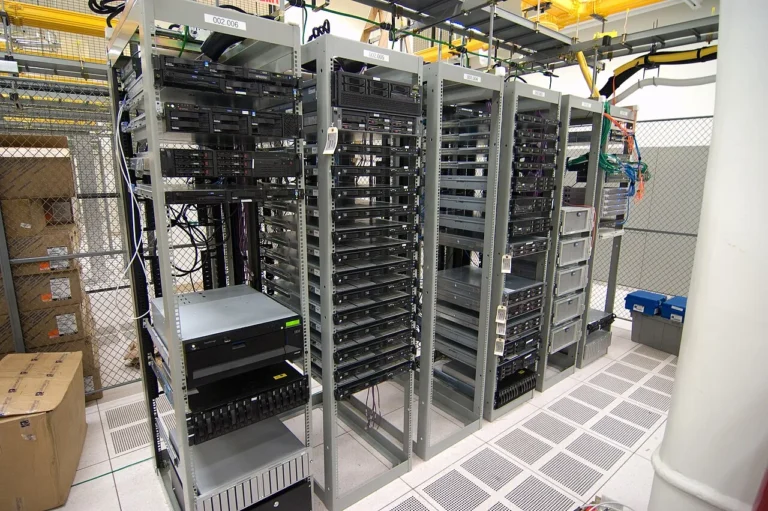
Original AI generated conceptual illustration created for ByteForward