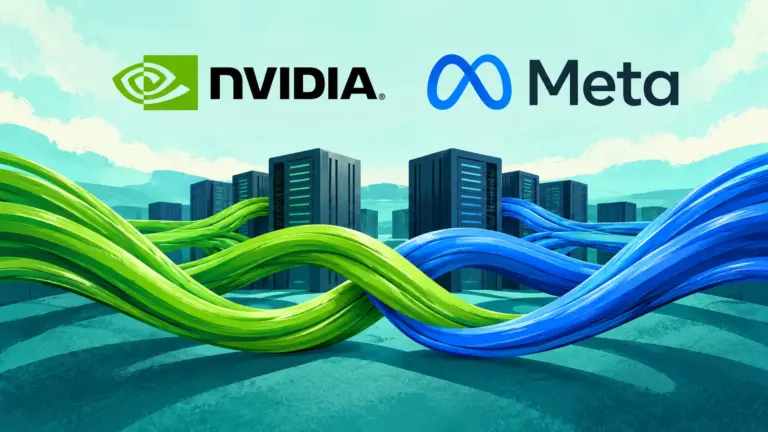
NVIDIA and Meta expand Muse partnership beyond GPUs
Meta plans more NVIDIA infrastructure for Muse. The deal connects model inference, agent tool use and a possible separate enforcement layer, not a new consumer release.
Accessibility Adjustments
Use these optional tools to adjust reading and display preferences. These tools cannot resolve every accessibility barrier. Please contact the website owner if you need assistance.


AI agents bring language models into workflows that involve planning, using tools and carrying out tasks across software. ByteForward follows coding agents, browser automation, application integrations and assistants that work through several steps toward a goal. Coverage focuses on the permissions, supported actions and human controls that shape what an agent can actually do. Reliability also depends on the tools, task environment and checks around the model. Costs, execution limits and recovery from mistakes are practical considerations for anyone adopting automated AI workflows. Our AI tools reporting covers the applications and developer platforms that make these workflows available. Explore AI safety and security for reporting on prompt injection, containment and other risks connected to agent access. Use the articles below to understand new capabilities alongside the oversight they need.
Meta plans more NVIDIA infrastructure for Muse. The deal connects model inference, agent tool use and a possible separate enforcement layer, not a new consumer release.

Vera Rubin NVL72 and Vera CPUs are now generally available on OCI. Google TPUs start in 2027, while larger Rubin deployments remain planned.

Oracle AI Workspace is coming soon. Its published workflows show how ChatGPT could coordinate delayed orders, month-end close and employee onboarding across Oracle systems.
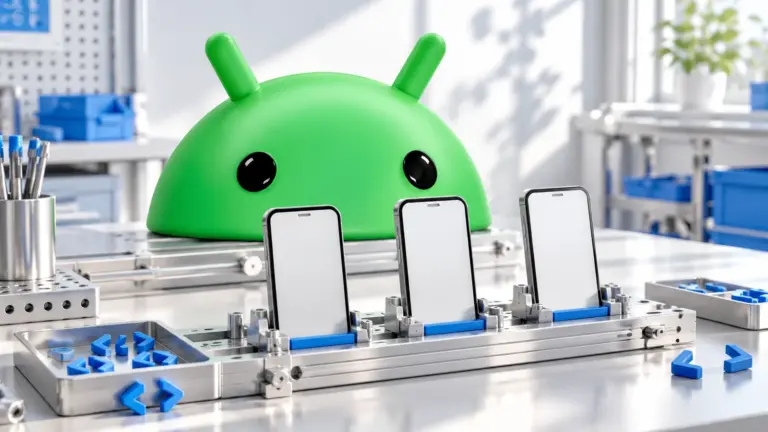
Android Bench adds Sonnet 5.5, GPT 6.1 Sol and Gemini 4 Argon. Real migration results show why an almost-complete app is not the same as a passing one.
Open Responses has joined AAIF. Its new charter changes stewardship of the API specification, while provider compatibility still needs careful testing.
Compare Step 5 Preview checkpoint sizes, GPU configurations, preview serving support and commercial license conditions before planning a deployment.

The new network separates enterprise implementation services from marketplace plugins. Here is what the application routes and tier descriptions actually establish.

The new financing backs a legal AI platform built around request handling, reusable instructions and lawyer review rather than a new foundation model.
Anthropic is transferring Agent Skills to AAIF. The format remains open, while client permissions, dependencies and workflow testing still matter.

Embed, Rerank and Parse handle different parts of document retrieval. Their model cards reveal hardware constraints, migration details and benchmark limits.

Anthropic’s October 20 update adds organization web fetch controls. API requests and agent sessions handle disabled access differently. Managed Agents also checks redirect destinations.
Claude Duet’s US preview shares Claude usage limits. Learn what disconnecting changes, how approvals work and what to check before delegating a task.
A practical Vibe 3.1 upgrade guide covering context inspection, file indexing and configuration checks, with the earlier Python migration preserved.

Hyper 1.11.0 enables cloud browsing for stable users, with desktop takeover, temporary sessions and limits on mobile sign in.
vLLM 0.32 adds a decision endpoint and smaller attention caches, with Python and browser access changes that operators need to check.
OneJev 1.6 adds downloadable visual decision models. Its larger training collection and benchmark claims come with important reproducibility limits.

MemHub CLI reaches npm with a runtime download fix, separate installation steps and important limits around platforms, model access and debug logs.
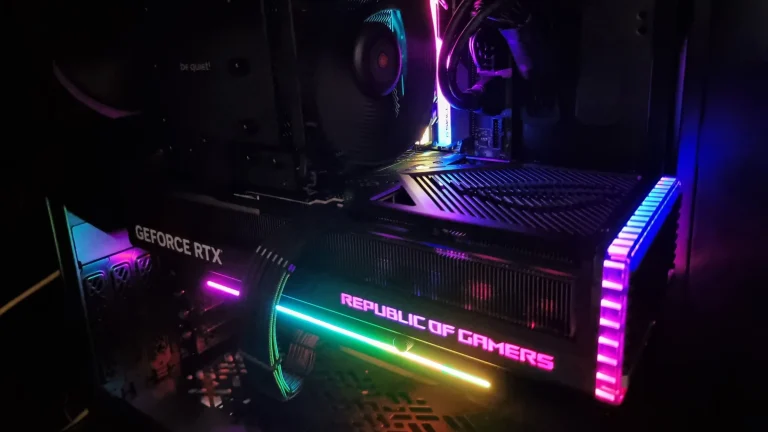
Volundr v1 brings agent training changes and a new inference engine, with important limits around its 16 GiB memory tests.

Naksha Studio v6 adds a local dashboard, review verification and cost estimates for Claude Code. Its own documentation sets important limits on each.
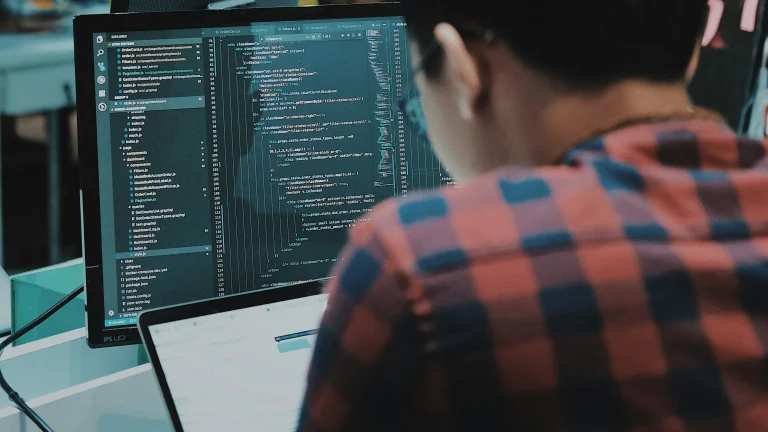
Cursor’s October 16 update adds shared canvases, a beta Environments API and support for 300 repositories, with sharing and access conditions for teams.
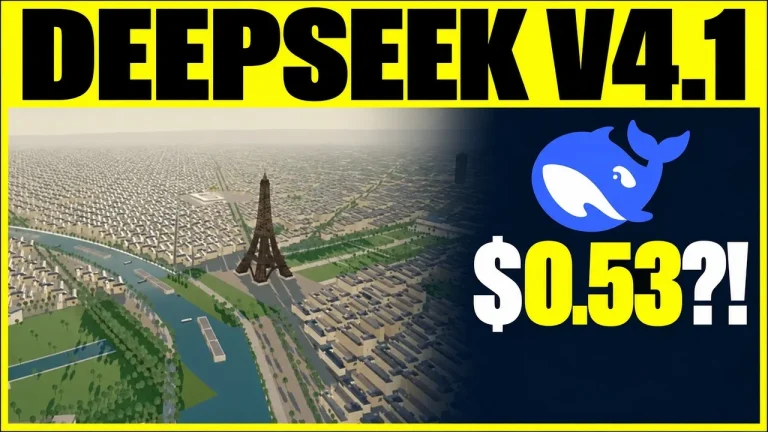
Creator demos show where DeepSeek Flash 1017 can help with scenes and animation, and how waiting time, agent setup and revisions change the value.

The new composite compares AI models across biology investigations, mechanism discovery and scientific workflows, with substantial differences in scores and the cost of completing tests.
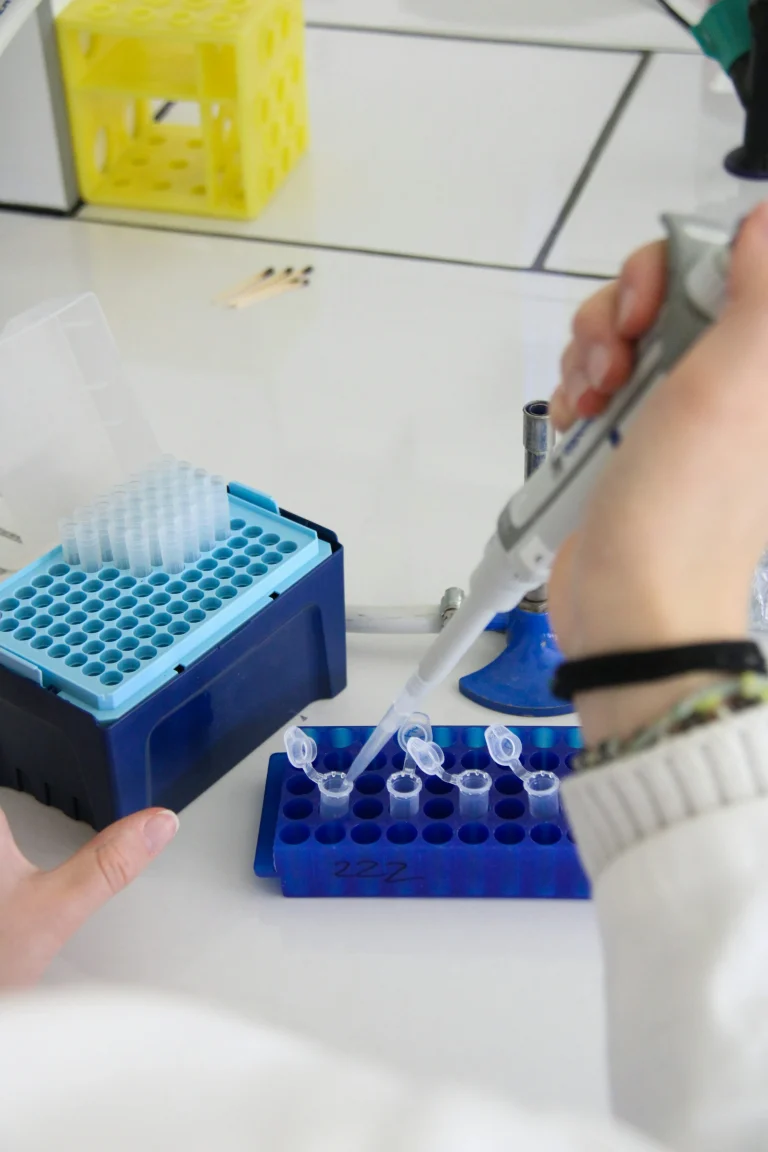
Google’s VERID research puts persistent laboratory state and simulation between AI agents and physical equipment, with human oversight still central.
Google announced an Antigravity allowance reset on October 16. Here is how to check separate model quotas and understand what the reset changes.


