Fastino GLiDE brings adaptive reasoning to agent decisions
Fastino GLiDE combines adaptive reasoning with structured decisions. Its September 30 release brings new routing options and practical limits for developers.
Accessibility Adjustments
Use these optional tools to adjust reading and display preferences. These tools cannot resolve every accessibility barrier. Please contact the website owner if you need assistance.


AI agents bring language models into workflows that involve planning, using tools and carrying out tasks across software. ByteForward follows coding agents, browser automation, application integrations and assistants that work through several steps toward a goal. Coverage focuses on the permissions, supported actions and human controls that shape what an agent can actually do. Reliability also depends on the tools, task environment and checks around the model. Costs, execution limits and recovery from mistakes are practical considerations for anyone adopting automated AI workflows. Our AI tools reporting covers the applications and developer platforms that make these workflows available. Explore AI safety and security for reporting on prompt injection, containment and other risks connected to agent access. Use the articles below to understand new capabilities alongside the oversight they need.
Fastino GLiDE combines adaptive reasoning with structured decisions. Its September 30 release brings new routing options and practical limits for developers.
Microsoft announces general availability for Foundry IQ in Copilot Studio, with private connectivity and requirements for access, testing and cost.

Google adds native Android binaries for Antigravity CLI in Termux and improves session recovery, background commands and message handling.

The official SpaceXAI TypeScript SDK adds typed Grok access, streamed output and schema validation while remaining experimental before version 1.0.
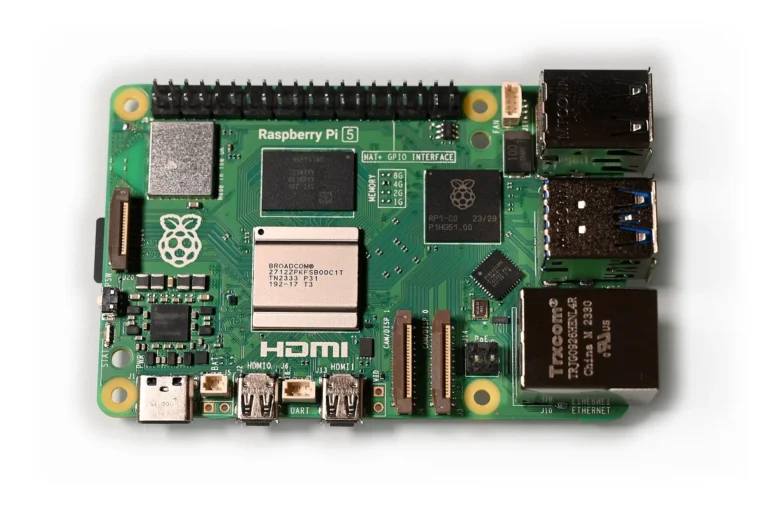
Muse Gadgets connects custom hardware to Meta’s agent, with setup and device limits that builders should check first.

Flow targets engineering coordination as its hardware AI platform attracts new funding.

ElevenLabs announces employee liquidity as voice agent adoption grows.

Codex alpha adds client controls for Astra Ultrafast on supported Bedrock connections while preserving the default tier.

Prime Intellect launches a serving platform for open models, with serverless access, reserved capacity and important differences between hosted and gateway requests.

OpenRouter introduces adjustable benchmarks for model routers, with individual models as reference points and a scoring system that weighs quality, time and cost.

Antigravity CLI 1.2.14 adds immediate messaging, a Linux remote fallback and tighter schema checks.

An October 1 manuscript extends VISTA testing beyond public ARC games. Its earlier perfect score still leaves private benchmark generalization unresolved.

A new Codex alpha adds custom provider settings and API key Daybreak controls. Model and server access requirements still apply.

llama.cpp adds typed decision outputs through a local API, with measured speed tradeoffs and a later Clef integration limited to text.

OpenAI’s Agents Python SDK adds optional discovery and history budgets, configurable memory turns and narrowly scoped Docker removal protection.

Arena’s October 2 addition puts GPT 6.1 Sol alongside its predecessor, with a lower observed median task cost and uncertainty that matters for interpretation.

Claude Code 2.1.288 addresses interrupted sessions, repeated MCP calls and restored model restrictions. Teams still need to test their configured controls.

New Agent Arena results place Sonnet 5.5 near the top while showing why effort settings and measured task spending matter alongside token prices.

SpaceXAI announces proactive suggestions that do not count against usage, while new screenshots show a dedicated Primary Bot setup flow.

C1 links approved AI model routes with caller identity and spending records while keeping customers responsible for their deployments.

Octomind redesigns its agent workspace with dedicated folders and activity views while retaining shared machines and existing cloud tools.

ServiceNow reports improved enterprise task performance using generated training examples.

Codex CLI 0.160.0 improves queued message recovery and model catalog handling while keeping new Guardian review capabilities optional.

Earendil releases Pi 1.0 and an experimental framework for persistent agents, with leaner tool prompts and explicit limits on crash recovery.


