
Muse Wonder vs Claude shows why the task matters
Muse Wonder vs Claude produces different answers across agent and coding tests. Model choice, settings and task cost shape the comparison.
Accessibility Adjustments
Use these optional tools to adjust reading and display preferences. These tools cannot resolve every accessibility barrier. Please contact the website owner if you need assistance.


AI agents bring language models into workflows that involve planning, using tools and carrying out tasks across software. ByteForward follows coding agents, browser automation, application integrations and assistants that work through several steps toward a goal. Coverage focuses on the permissions, supported actions and human controls that shape what an agent can actually do. Reliability also depends on the tools, task environment and checks around the model. Costs, execution limits and recovery from mistakes are practical considerations for anyone adopting automated AI workflows. Our AI tools reporting covers the applications and developer platforms that make these workflows available. Explore AI safety and security for reporting on prompt injection, containment and other risks connected to agent access. Use the articles below to understand new capabilities alongside the oversight they need.
Muse Wonder vs Claude produces different answers across agent and coding tests. Model choice, settings and task cost shape the comparison.
An experimental Agents SDK integration gives OpenCode persistent sessions and recovery after interruptions, with important limits on local coding tools.

Qwen Code 0.27.1 adds configurable background agents, scheduled Channel delivery and experimental LSP controls. Read the defaults and limits.

Reading the experiment.
GitHub’s update changes model defaults, tool startup and diagnostics, with a new minimum supported IDE version.

Desktop focus, permissions and observable results decide whether an agent fits everyday work.

What to check before moving application runs beside coding agents.
New controls target worker context, workflow models and large file reads. Configuration details still need documentation.

BrickBench tests AI brick design and exposes the limits of a passing score. Here is how to read the results.

Updated with Decision 1.1 general availability, image input, Foundry regional prices and migration details, alongside the original Decision 1 reporting.

CaixaBank plans Gemini Enterprise agents for document work as its existing cloud alliance expands.

The new beta coordinates work in the background. Budgets, permissions and coverage checks matter before expanding a workload.

The Pro beta puts suggested instructions into an existing conversation.

The release adds optional blocking for failed checks. Its scope and interaction with other controls matter.
The reported changes raise separate questions about models, voice and permissions.

OllyGarden has announced MVI for Rose Enterprise. The expansion targets missing instrumentation while leaving teams responsible for reviewing code, testing telemetry and assessing data handling.
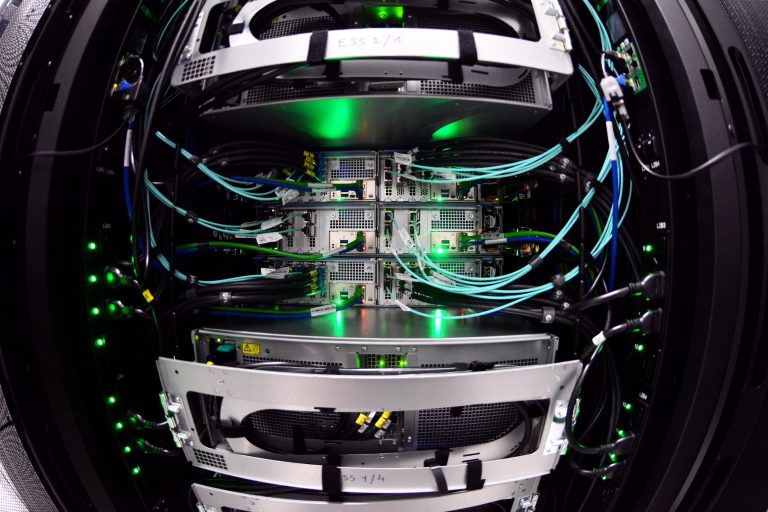
Goodfire reports cheaper cyber monitoring for AI agents, with important latency, false alarm and adversarial testing limits.
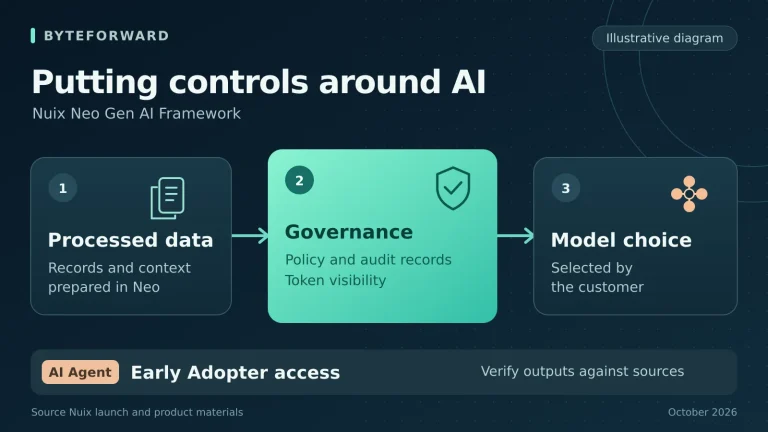
Nuix connects model choice with data controls and audit records. Buyers still need to test source accuracy, deployment boundaries and review costs.
Harness acquires selected Augment assets. Here is how Cosmos handles tickets, reviews, permissions and costs, and what still depends on future integration.
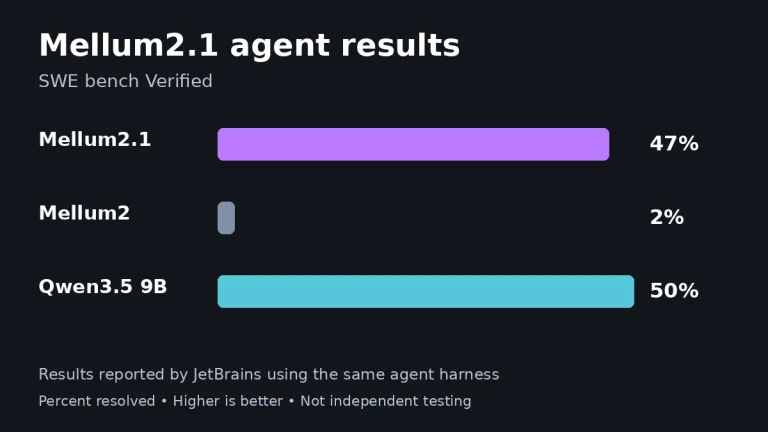
JetBrains publishes a compact coding model with stronger reported agent results and deployment caveats.
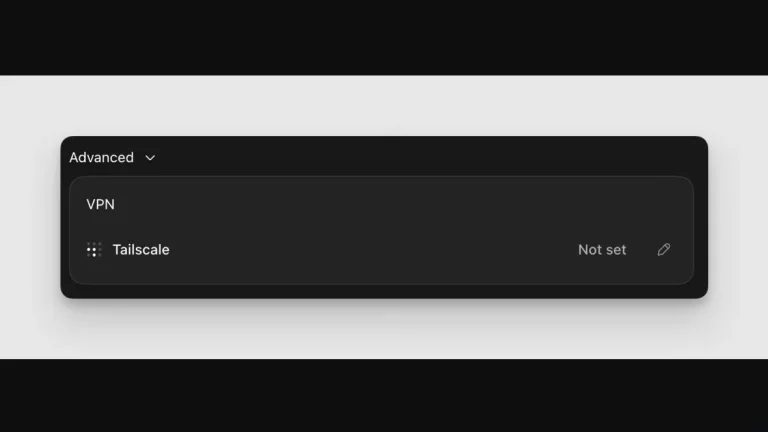
Private network access gives cloud coding tasks more reach. Current documentation differs on an important DNS detail.
Stuut plans to expand business finance automation after a new funding round led by Insight Partners.
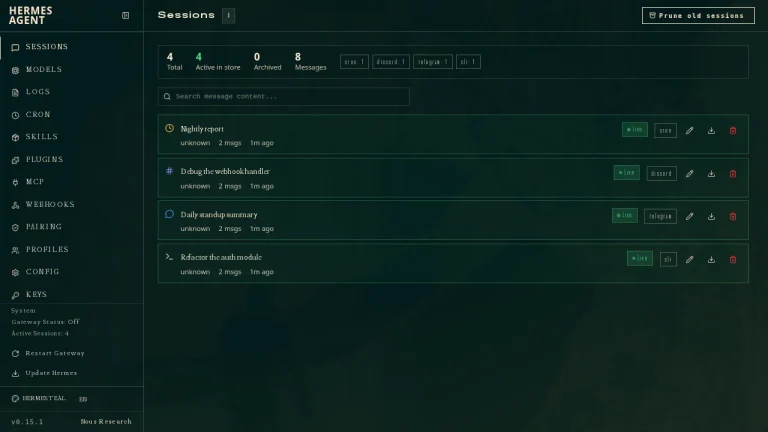
Nous confirms new funding and plans for a business offering built around Hermes Agent.

Google unveils a workplace agent for connected tasks. Background delegation and other key capabilities remain in early access.


