
OpenAI opens optional text watermarking for API customers
API customers can enable textGrain for selected models. OpenAI also plans an EU rollout for ChatGPT and Codex in the coming weeks.
Accessibility Adjustments
Use these optional tools to adjust reading and display preferences. These tools cannot resolve every accessibility barrier. Please contact the website owner if you need assistance.


AI policy shapes how artificial intelligence is developed, sold, and used in everyday life. This category covers AI regulation, data protection, copyright, public procurement, and the responsibilities of companies deploying automated systems. We examine what proposed rules would require, who they would affect, and which details remain unsettled. Readers can follow questions about enforcement, implementation deadlines, transparency obligations, and access to meaningful appeals. Our coverage connects these decisions with changes across the AI industry, including how businesses respond to new requirements. It also considers the role of AI safety and security evidence in debates about oversight and accountability. Issues such as training data rights, automated hiring, and government use of AI deserve attention to both the written rules and their practical consequences. The goal is to help readers understand what a policy changes, what remains uncertain, and what to watch as proposals move toward implementation.
API customers can enable textGrain for selected models. OpenAI also plans an EU rollout for ChatGPT and Codex in the coming weeks.

Four officials will lead federal AI coordination and stakeholder engagement

The Kyoto declaration backs broader research access and funding experiments, while leaving budgets and delivery schedules unspecified

India’s advertising standards body sets disclosure tests for synthetic media and sponsored AI recommendations

SB 951 adds technology details to covered layoff notices while AB 1883 limits AI emotion and neural monitoring, with exceptions

The Commission is gathering views on AI licensing and enforcement ahead of a November 3 deadline
Meta updates its framework with training controls and open weight considerations
The bipartisan proposal covers AI disclosure, parent controls and a school exception

The proposal reaches machine learning vehicle systems through federal use restrictions and funding conditions

Canada names an advisory council for AI adoption and safety while ministers retain responsibility for policy decisions

The September 29 directive changes executive branch terminology while retaining the existing statutory AI definition.

Kazakhstan’s president proposes exploring an AI treaty under the UN and plans to present the country’s position at December’s G20 summit.

Apple says future macOS controls will require explicit action before apps receive Full Disk Access, citing growing risks from autonomous AI agents.

The bipartisan proposal targets operators and developers under federal computer crime law.
A new state survey separates widespread AI use from deeper workplace integration.

The October policy outlines responsibilities for researchers and analysts using AI assisted work.

An October 1 speech connects AI trading, cyber resilience and access to frontier models.

A new cap changes how researchers schedule papers and share responsibility for AI assisted work.

California signed SB 947 on September 30. Its human review, worker notice and data access requirements become operative on July 1, 2027.

Claude’s new models now leave machine-readable fingerprints on every reply, and not only for users in Brussels. Anthropic is shipping EU AI Act transparency marks worldwide, because one regulator’s deadline now sets the default for everyone else. What Anthropic signed…

Europe did not pause the part of the AI Act that hits chatbots and synthetic media. On August 2, 2026, Article 50 transparency duties became generally applicable and enforceable by national authorities, according to a Goodwin alert dated August 3.…
The people building frontier models just asked Washington for something their employers cannot offer alone: a way to slow automated AI development if recursive self-improvement starts outrunning control. Not a freeze today. An option for tomorrow. On Pacing the Frontier,…
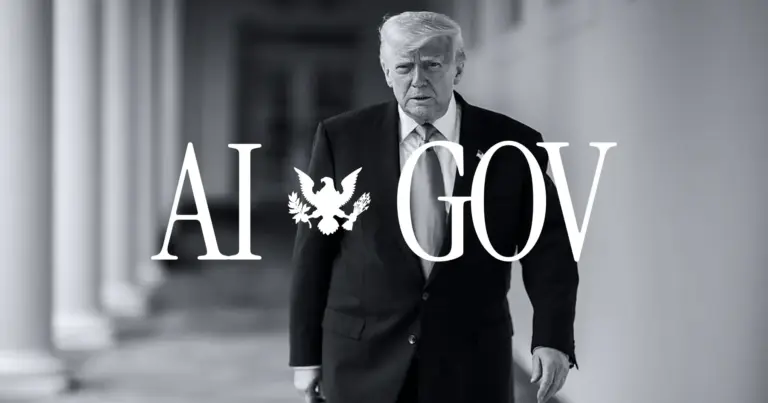
The White House is closing in on a voluntary frontier-model gate — and the public still cannot read the draft. Per a Vorp Labs tracker synthesizing EO 14409 and July 27 reporting, officials are near a ~30-day pre-release review with…

Europe just bought itself more runway — and sharpened one ban. On 27 July 2026, the AI Omnibus entered into force across the EU. High-risk AI Act duties that were barreling toward an earlier cliff now sit on later calendars,…


