EDPB urges clearer privacy signals for smart glasses

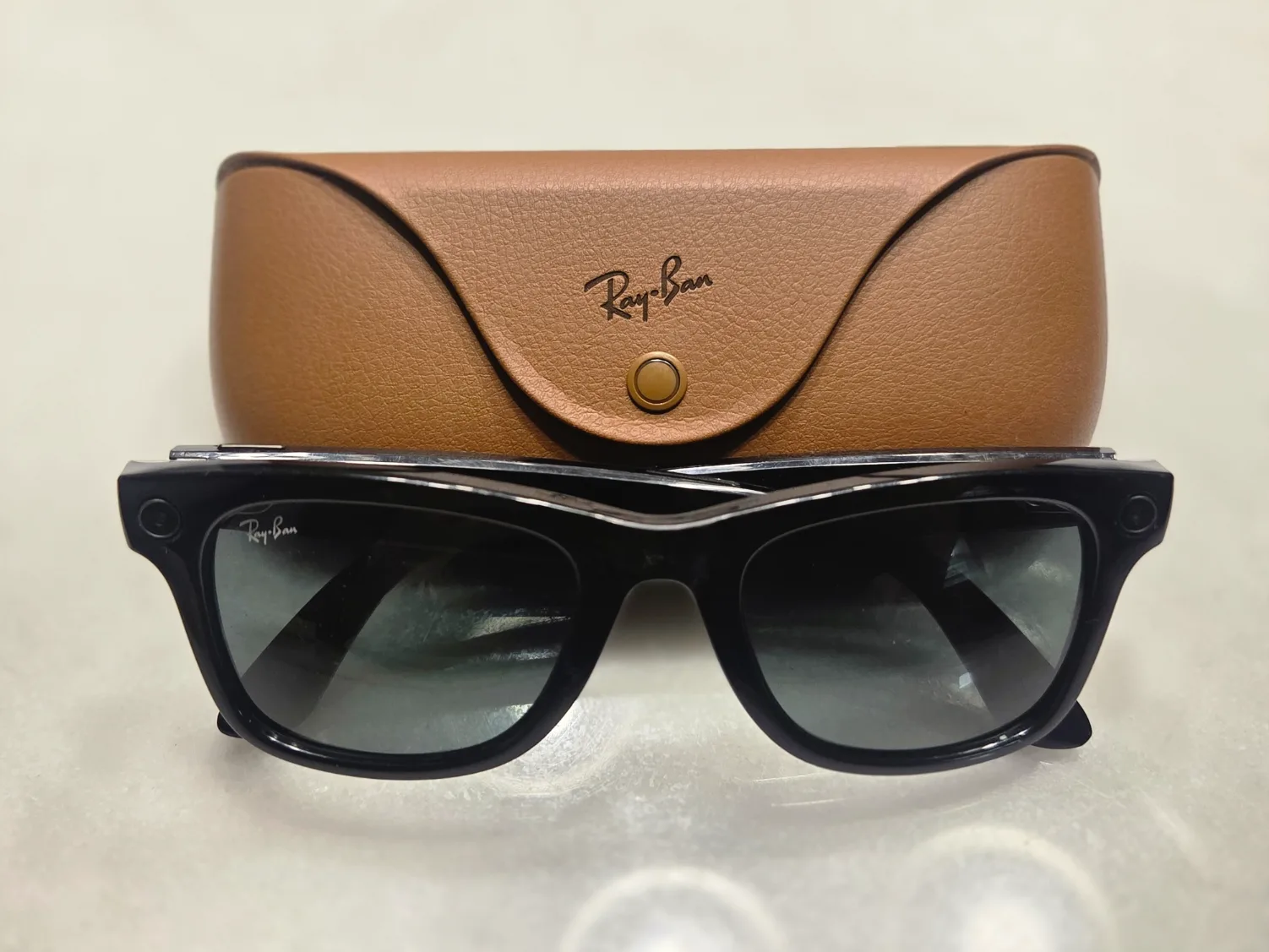
The European Data Protection Board adopted an initial statement on smart glasses on October 13, calling for clearer signals when the devices collect personal data. Its preliminary guidance addresses wearers, manufacturers and service providers, with particular concern for people nearby who may not realize they are being recorded.
The announcement also distinguishes responsibilities. A wearer who publishes footage to a public social account can become a data controller. Companies that control processing cannot pass their own obligations to the wearer. The Board flags sensitive settings, including hospitals, schools and workplaces, where the consequences can extend beyond the person using the glasses.
Making capture noticeable
The eight page statement recommends combining transparency measures. It says recording indicators should remain visible across lighting conditions and that recording should not be possible when an indicator is covered. Audio cues and distinctive designs are among the other options. Smartphone proximity alerts should not be the sole warning or create a way to track wearers.
The statement also addresses what happens after capture. It encourages protective processing on the device where possible and says persistent storage for real time assistance should be disabled by default unless needed for the intended function or deliberately enabled with safeguards. Reusing bystander data for AI training raises a separate legal basis problem, especially when people would not expect that use.
What the supporting research can show
The Board also highlighted research by sociologist Yann Bruna, whose report page is dated October 1. That earlier work provides context for the new statement. It is an external expert report and does not represent the EDPB’s official position.
The study used interviews with 22 people between March and August, including seven users and 15 people who did not own the devices. It explores contrasting views of immersive recording, surveillance and control over personal information. This is qualitative evidence about experiences and expectations. Its small interview sample should not be read as a measurement of how common those views are across Europe.
Existing duties shape the design questions
The legal backdrop predates this statement. In its 2020 guidance on privacy by design and default, the EDPB explained that safeguards should operate throughout the processing lifecycle. Controllers should be able to demonstrate that measures work, and should review them as technology, risks or processing change.
That guidance does not prescribe one technical solution for every situation. It ties effectiveness to the specific processing context. It also describes ways to document performance, including quantitative or qualitative measures. For a product team, that puts evidence of effectiveness alongside the existence of a feature in the settings menu.
Questions for the next product review
Our reading is that these documents give product teams a useful set of questions to test. Can someone unfamiliar with the glasses recognize when capture begins? Does the signal remain understandable outdoors? Can an assistant answer a question without keeping the underlying recording? What evidence would demonstrate that these choices work for people who never installed the companion app?
Those are proposed review questions, not findings that a particular product has failed. The immediate news is preliminary guidance under existing data protection law. Treating it as a newly enacted smart glasses law would overstate the announcement. The practical next step for readers following the sector is to compare future product explanations and design changes against the issues the Board has identified.
Related ByteForward reporting examines Norway’s proposed limits on AI glasses.