
Aurora image models reportedly appear in Arena tests
Lumina reports Aurora image tests in Arena. Separate API listings add context while the provider identity and public launch remain unconfirmed.
Accessibility Adjustments
Use these optional tools to adjust reading and display preferences. These tools cannot resolve every accessibility barrier. Please contact the website owner if you need assistance.


Generative media covers the AI systems used to create and edit images, video, speech and music. ByteForward follows creative model releases and product updates with attention to what creators can control and where results remain unpredictable. Topics include text to image generation, AI video tools, voice synthesis and the workflows that connect them. Output quality is only part of the picture when a project also depends on consistency, editing flexibility and generation time. Access limits, pricing and licensing terms help determine whether a tool fits a particular creative use. Our AI model release coverage tracks new systems and the practical details of their rollout. Explore AI culture and society for reporting on how generated media affects creative work, audiences and trust. Browse the stories below to understand both the possibilities and the constraints behind the latest generative AI media tools.
Lumina reports Aurora image tests in Arena. Separate API listings add context while the provider identity and public launch remain unconfirmed.
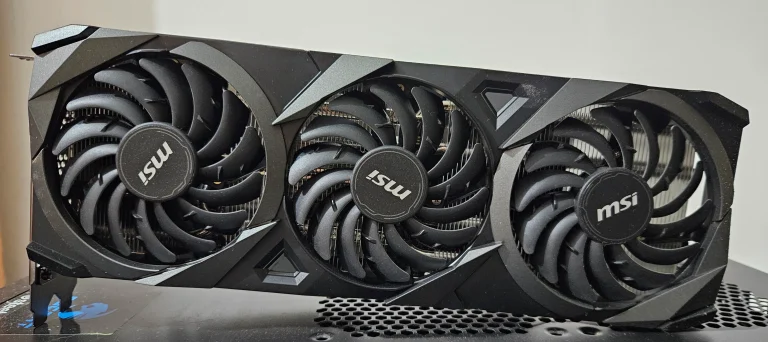
Black Forest Labs releases FLUX 3 Image Klein weights. The local hardware route, editing limits and conditional commercial rights deserve a closer look.
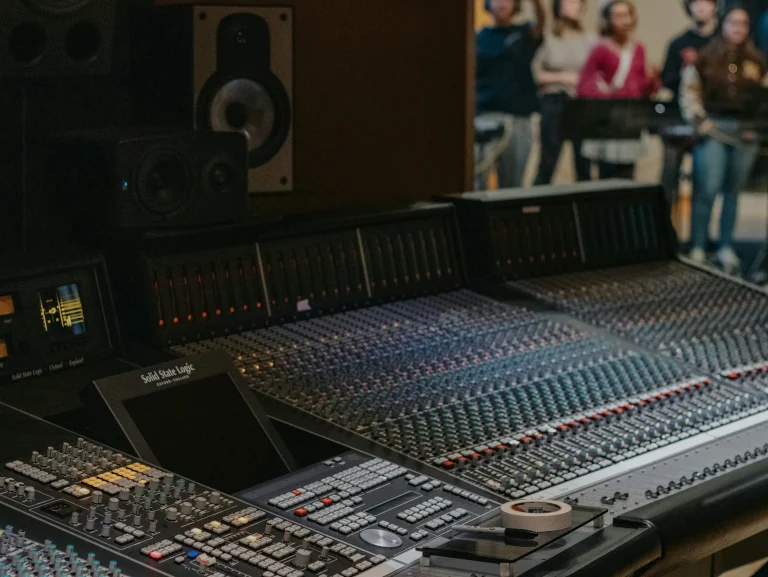
GRAI and MassiveMusic separate streaming and AI training permissions. The distinction matters for rights holders and people hoping to create with music.

ComfyUI adds controls for adapter stacks and camera composition, with update requirements and different asset defaults to check.
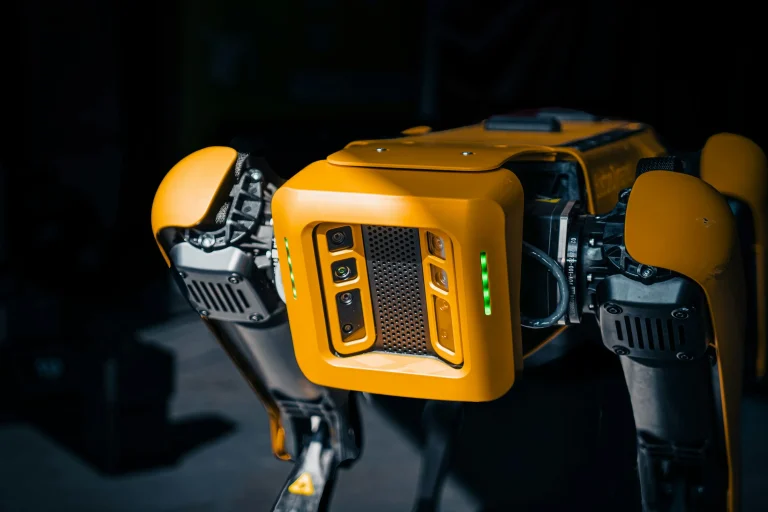
ByteForward examines Gemini 4 Argon through editable 3D projects, robotics experiments and the safety limits that matter when agents keep trying.

Downloadable speech weights and expressive controls arrive while interactive editing stays in limited testing.
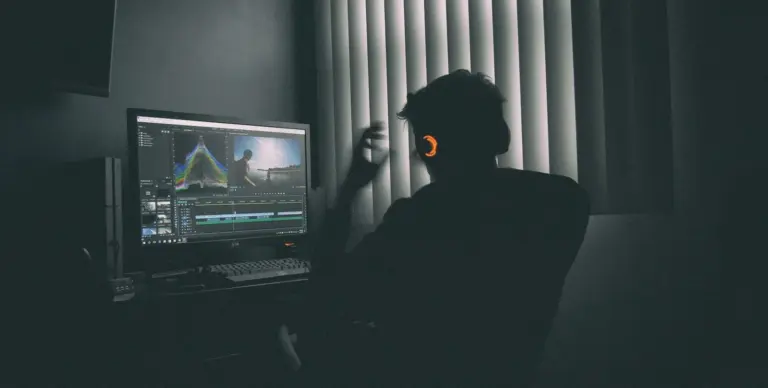
Melius reports cumulative funding for its creative tools. Editable workflows, generation credits and planned features shape the practical evaluation.

A close look at ByteForward’s Google Playground test, with practical checks for revisions, multiplayer claims and weekly usage.

The production combines archival sources with performance and generated imagery. Documentary guidance shows what viewers need to understand.
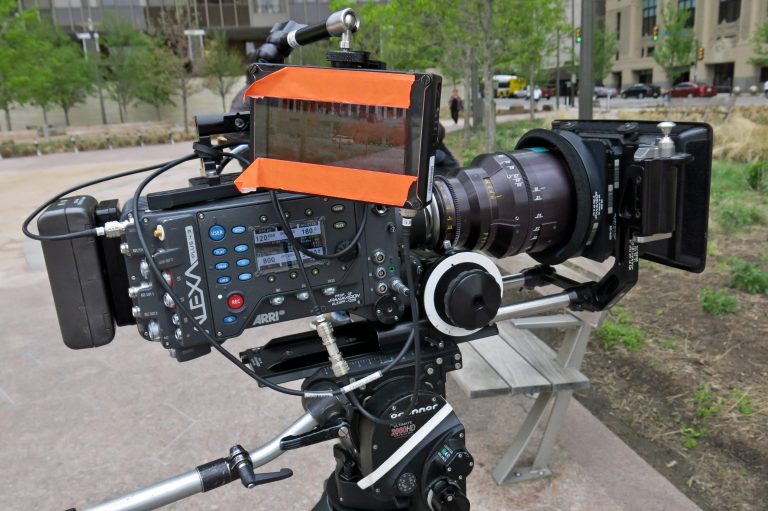
Vidu Q4 Preview combines image and voice references with 4K output. Its API limits, default settings and pricing deserve a closer look before production use.

A new preprint studies motion transfer while limiting copied appearance.

Researchers test synthetic video detection across 46 generator variants. Code and model releases remain pending.
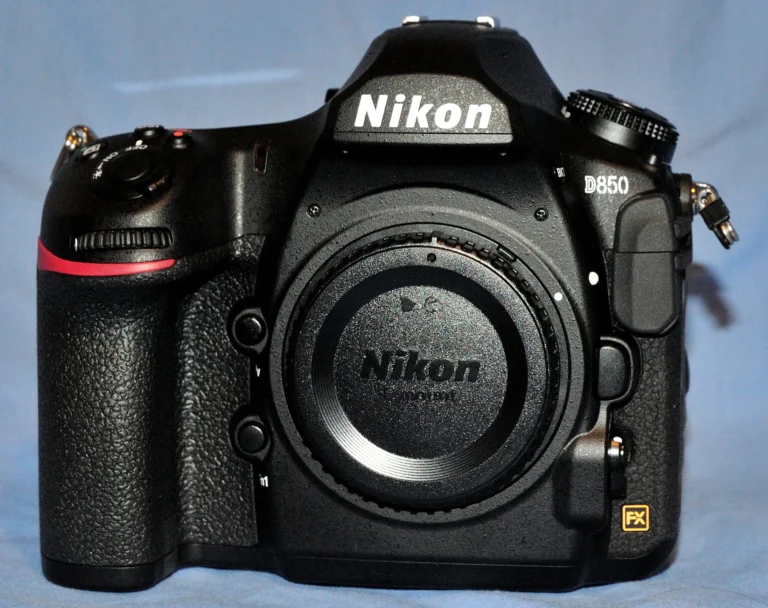
Nano Banana 2.1 is available in the Gemini API. Google’s current documentation lists no shutdown date for the older Nano Banana 2 model.
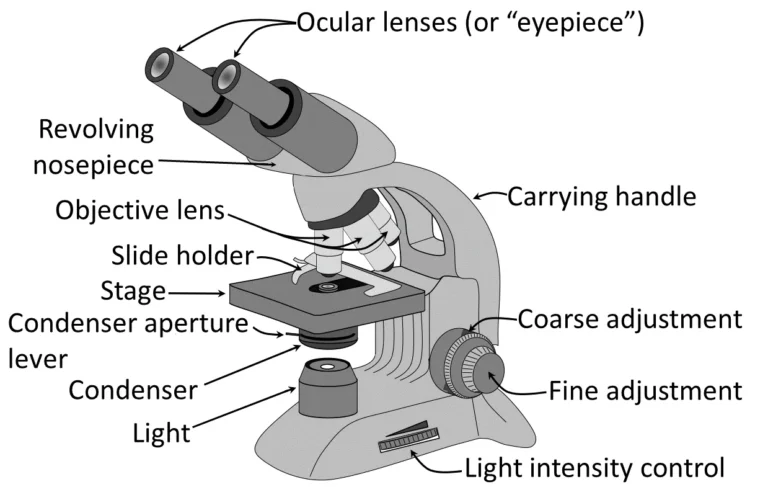
BioRender’s Leo guides figure planning with sketches and editable drafts. Access requires a paid add on plan.

Creators can group songs into an album or convert an existing playlist into a release.

A US test is planned for later October as OpenAI expands conversion tracking and brand suitability work.

Creator examples span quick product explainers, long rendering jobs and editable animal models. The brief and tools shape the result.
Choose the sizes and languages, generate a batch, then check each version against the approved design.

Audible adds cast guides and plans interactive extras for a limited beta
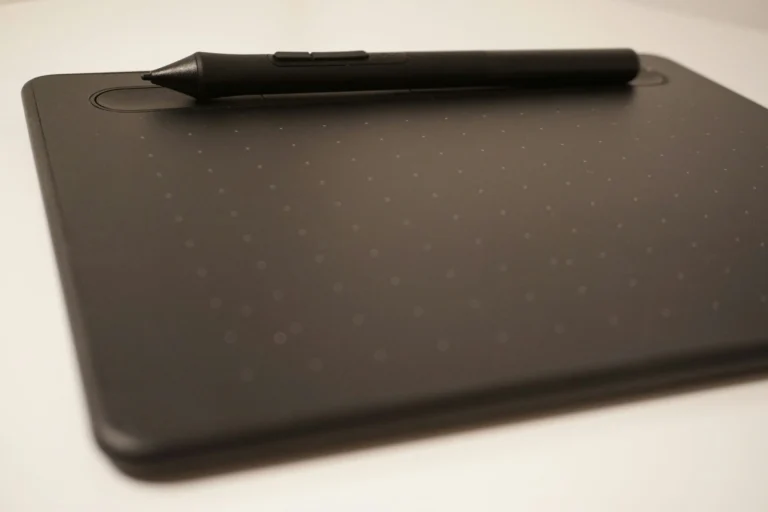
The experimental update brings a redesigned workspace and audio support
Lightroom desktop 9.6 brings early access editing from text prompts, separate DNG outputs and generative credit costs

India’s advertising standards body sets disclosure tests for synthetic media and sponsored AI recommendations
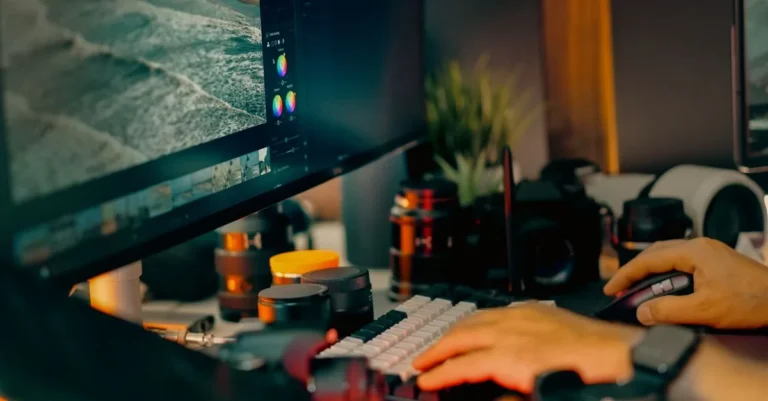
The October 2 hosted API addition supports transparent images and editing with up to ten references.

Tavus is testing Griffin Lite with selected research participants. Its video conversation results come with important limits on access and evaluation.


