YouTube Music adds AI labels with limits listeners should know

YouTube Music is starting to show listeners when a song was made primarily with generative AI. The October 14 announcement puts the disclosure on the player page, where tapping it reveals more information. YouTube says the music labels will also reach its main app.
The company combines information from music partners with its own detection tools. The announcement does not specify a completion date, country list or accuracy results. A rollout announcement therefore cannot establish that every listener already has the feature or that every qualifying track will be identified.
What counts as AI use in a song
The guidance for music partners distinguishes fully generated content, partial use and no generative AI. Partners can submit declarations through DDEX or CSV deliveries, or the attribute section in YouTube Studio. Missing information may be supplemented by YouTube signals.
Its examples put a completely generated composition and performance in the full category. Generating an instrumental layer, helping write lyrics or pairing human audio with generated video can count as partial use. Standard pitch correction and automated mastering fall under no generative AI in the examples.
Those distinctions matter when interpreting a badge. A declaration about a music video can describe its visuals even when the recording features human performers. The broader partner categories do not establish that every partial use receives the new Music player label. Artists should check which delivered asset a declaration describes before treating an audio recording and its accompanying video as interchangeable.
A disclosure needs context
YouTube’s general explanation of disclosures describes several routes by which information reaches viewers. These include creator declarations, use of YouTube’s own generative tools and qualifying Content Credentials metadata. The expanded description can provide additional details about how a video was made.
A visible badge consequently should not be read as evidence that an automated detector independently examined and confirmed every creative decision. The disclosure can originate with the person or organization supplying the content. For a listener, opening the additional information is a better first step than guessing which part of a recording or video involved a model.
The cultural question remains personal. Someone may enjoy a generated performance while wanting to know its origin. Another listener may care most about whether the singing came from the credited artist. A compact label makes that conversation easier to start, but it cannot communicate the whole chain of composition, recording and production.
The earlier YouTube policy still matters
This is a new music interface rollout within a longer disclosure effort. YouTube began labeling disclosed AI content in 2024. Its May 27 update made general video labels more prominent and introduced additional automatic detection signals.
That earlier announcement said a disclosure alone does not change a video’s recommendation treatment or eligibility to earn money. It also described correcting some mistaken classifications in Studio, with exceptions for certain automatically established disclosures. Those statements concern the broader video system. They should not be turned into a newly announced music appeal procedure or a guarantee about every music delivery workflow.
Deezer offers a different kind of choice
The timing invites comparison with Deezer’s October 13 announcement. Deezer plans a reversible setting that hides fully generated tracks, albums and related artists from search results. It says that control will arrive globally before the end of 2026. It already excludes detected generated tracks from recommendations.
As ByteForward’s Deezer coverage explains, search filtering changes what a listener encounters. A disclosure supplies context for something they encounter. These are separate product decisions, and neither proves that an identified track has been removed from a catalog.
YouTube’s music announcement introduces no equivalent filter, removal policy or monetization penalty.
What to watch as labels spread
The useful test is whether listeners can understand a label without drawing a stronger conclusion than the evidence supports. Missing labels should not become certificates of human authorship. Visible labels should not become shortcuts for judging quality, permission or the amount of human effort behind a release.
For artists and distributors, clear production records can help explain what was generated and what was performed. For platforms, understandable definitions and ways to resolve disputed classifications will matter as much as placement on the screen. The next measure of progress is whether the extra information actually answers the questions people bring to a song.
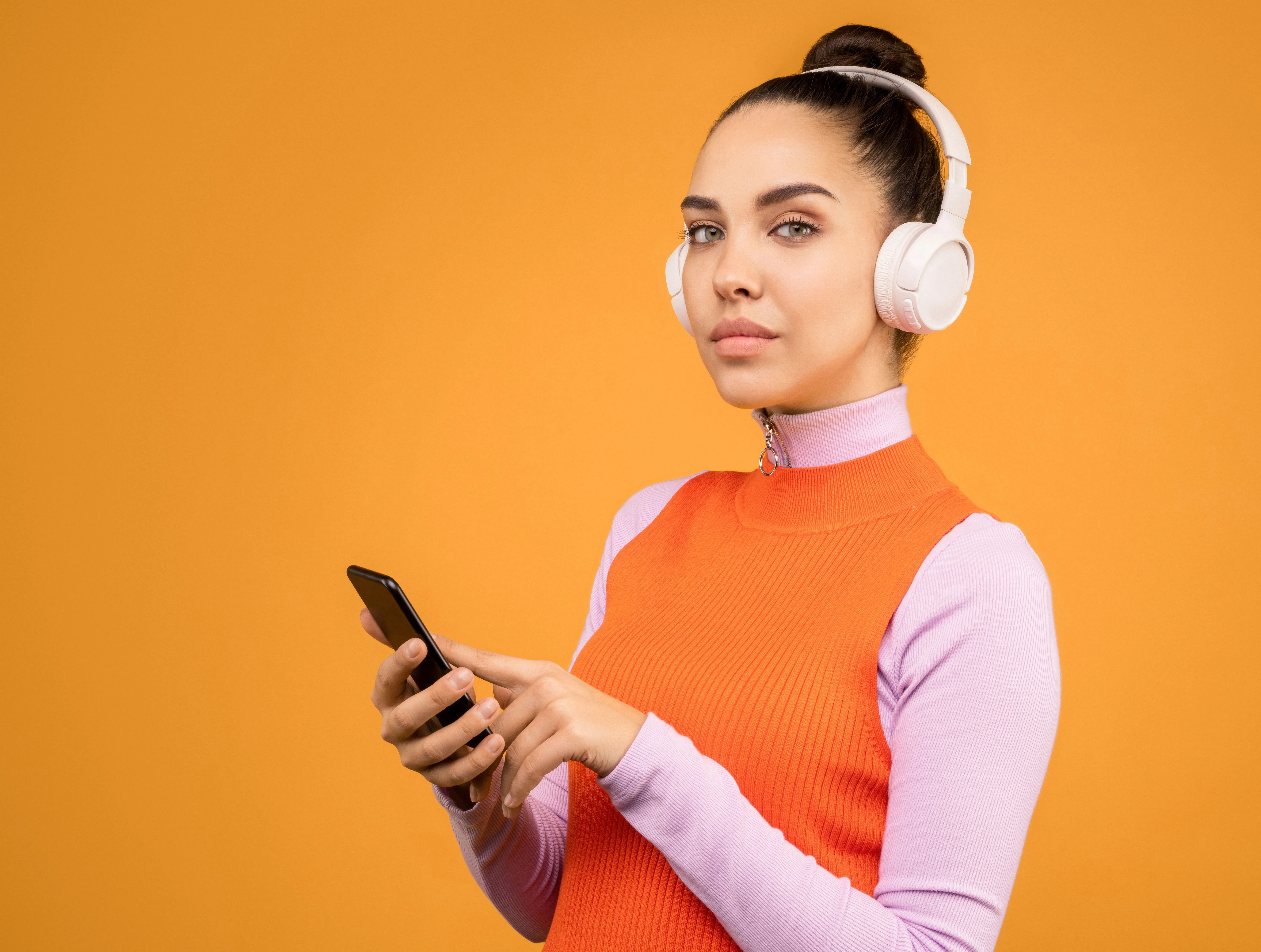
Illustrative photograph by Sound On via Pexels, used under the Pexels License.