Torvalds pairs AI cleanup with tests for old Linux bugs

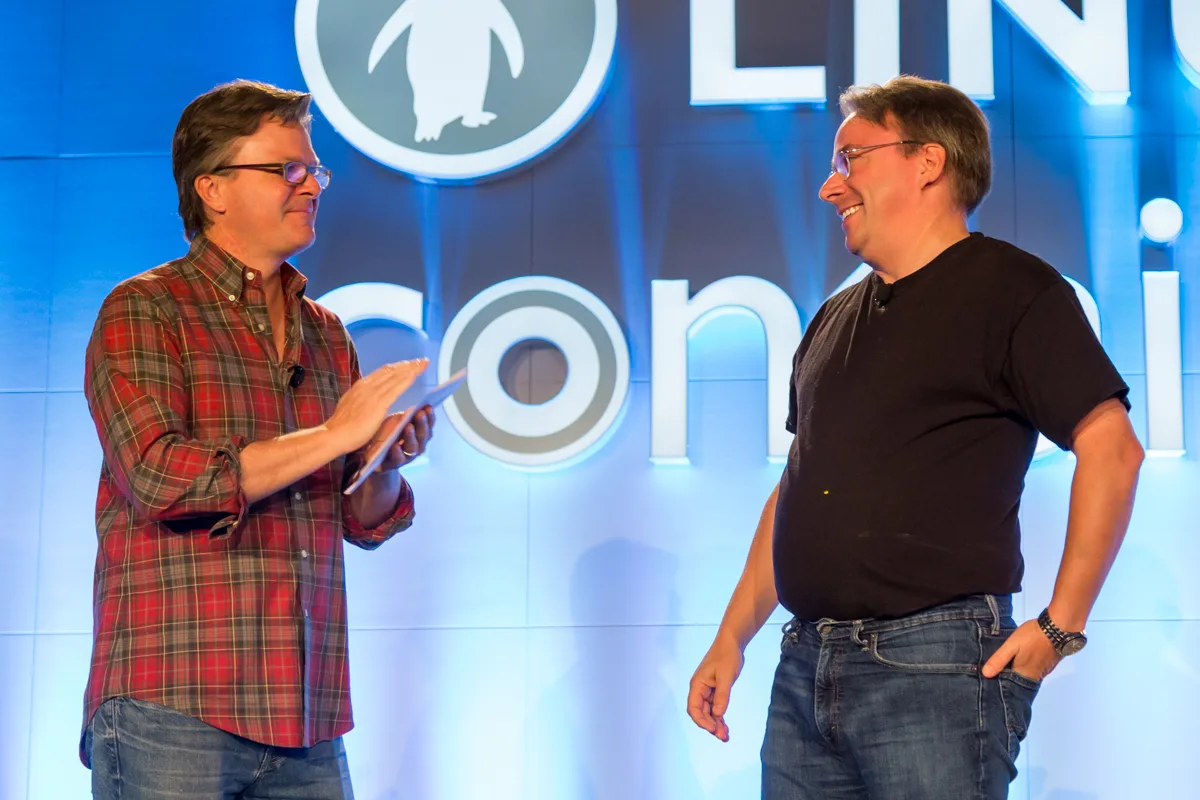
Linus Torvalds’s October 11 development tag documents an AI assisted cleanup of Linux’s associative array code. It says tests reproduced a bug reported by Nils Ollrogge and exposed three others dating to the library’s 2013 introduction.
Torvalds used LLM tools to split difficult functions into readable pieces before testing outside the kernel. All 15 commits credit LLM assistance. The tag names no model.
The public history adds an important qualification. Kyle Zeng had already posted patches on October 6 describing two of the failure modes in this series. That earlier record means the tests’ findings should not be presented as proof that all three additional bugs were first discovered during Torvalds’s cleanup.
What the tests caught
The associative array library organizes objects so software can retrieve them using index keys. Internally, it uses a branching tree and shortcuts that skip repetitive sections to save memory. Splitting those shortcuts is where several of the failures appeared.
In the word boundary case, splitting a shortcut could erase part of the stored key that still needed to be retained. In Torvalds’s reported test, inserting the 102nd string key caused 76 existing keys to become unreachable. AddressSanitizer also detected a read beyond the shortcut’s key storage. The fix avoids trimming a complete word when the split falls exactly on its boundary. Torvalds reports that the test passed afterward, with no findings from AddressSanitizer or UndefinedBehaviorSanitizer.
A separate root shortcut failure needed only 18 carefully arranged keys. The code could place a node at the top of the tree while still organizing it for a deeper level. Searches then read the wrong portion of each key. Three objects could no longer be found, and reinserting one of those keys created a duplicate instead of replacing the original object. The correction treats a shortcut at the root differently from one beneath another node.
The fix credited to Ollrogge’s report addresses an insertion following a deletion. As a branch shrank and then grew again, the code could attach one shortcut directly to another, a structure the traversal logic did not expect. That sequence could trigger an internal bug check. The patch replaces the existing shortcut together with its node. Its description gives both a randomized test using keys with long shared prefixes and a focused sequence that reproduces the failure.
The fourth fix concerns failure during garbage collection. While constructing a replacement tree, a copied shortcut could still point into the live tree. If the next memory allocation failed, cleanup could follow that pointer into the original structure and trigger a bug check. The revised order allocates the destination node before linking its shortcut. Torvalds says this problem surfaced in a test that deliberately made each allocation fail in turn.
Why the testing details matter
The earlier mailing list discussion shows why reproductions matter. Responding to Zeng on October 6, Andrew Morton asked for clearer runtime effects and reproduction details, especially for a proposed backport. A patch explains an intended correction. A failing case lets another developer examine the path to that correction and check whether the same behavior changes afterward.
For developers using coding assistants, the useful lesson is to test the awkward transitions. These cases exercise splitting, deleting and reinserting, and running out of memory. A test that only inserts ordinary keys and looks them up would not demonstrate that those other paths work. That is ByteForward’s reading of the cases, rather than a measured comparison of AI tools.
The outcomes described here are Torvalds’s published test results. ByteForward has not run the harness. The evidence supports specific fixes and a reviewable workflow, without establishing a general bug finding success rate for AI.
Our TestPrism report examines why generated tests need to check promised behavior while allowing valid implementations to differ.