
Boston Dynamics gives Atlas a new hand for tool use
Boston Dynamics reveals an Atlas hand designed for manipulation, simulation and the demands of industrial work.

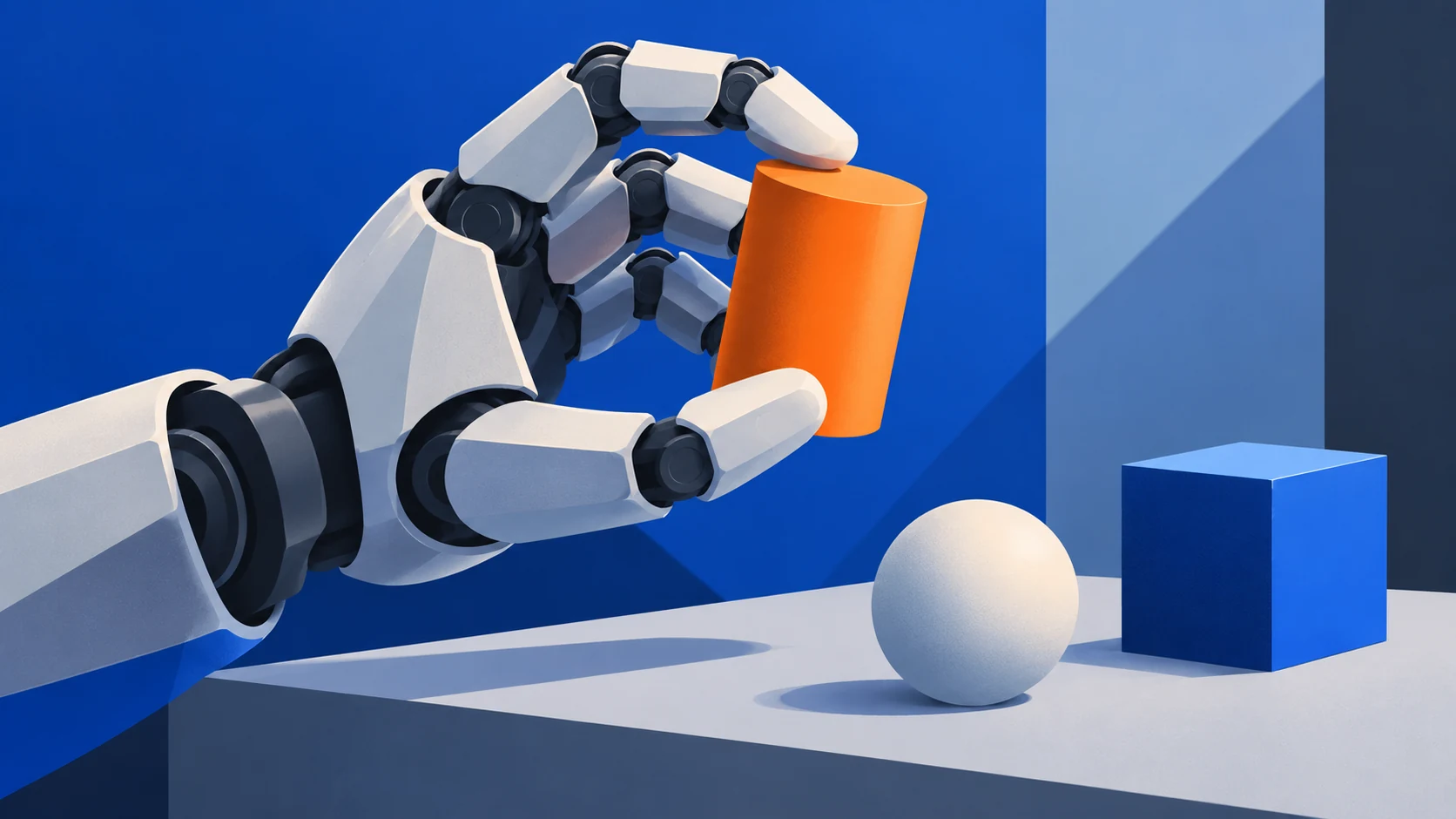
Boston Dynamics introduced a new Atlas hand on October 1, giving its humanoid four fingers and 13 degrees of freedom. Its engineering announcement focuses on manipulating objects and using tools.
The design adds tactile sensing across the fingertips and palm. Boston Dynamics says the joints use a common actuator design and avoid fragile cables crossing the joints.
The missing fifth finger is deliberate. The company judged its extra size, cost and potential failures unnecessary for the intended work.
The hand is also built for accurate simulation, allowing reinforcement learning policies to be trained before moving to physical hardware. The company describes initial results rather than an independently verified reliability benchmark.
How this fits industrial work
The broader Atlas product description outlines a staged adoption process. Prospective customers discuss their application, assess the workflow with Boston Dynamics and coordinate training before integrating the robot.
That page also describes barcode scanning, fleet skill sharing and autonomous battery replacement. Orbit is intended to connect Atlas with manufacturing and warehouse systems and give operators access to performance information.
Boston Dynamics says the commercial program starts with selected early adopters. Its roadmap includes part sequencing, machine tending and order building as skills to develop with customers.
What buyers should ask next
For teams evaluating humanoids, the useful question is whether these capabilities solve a specific handling problem. A sensible trial would measure successful cycles, human interventions and maintenance time using the actual tools and parts the robot would encounter. Those operating results would make a stronger purchasing case than finger count alone.
Related coverage explores safety systems for industrial humanoids.
Featured image is an original AI generated conceptual editorial illustration.