Ban Flock Act targets automated plate readers and their data
The proposal reaches machine learning vehicle systems through federal use restrictions and funding conditions

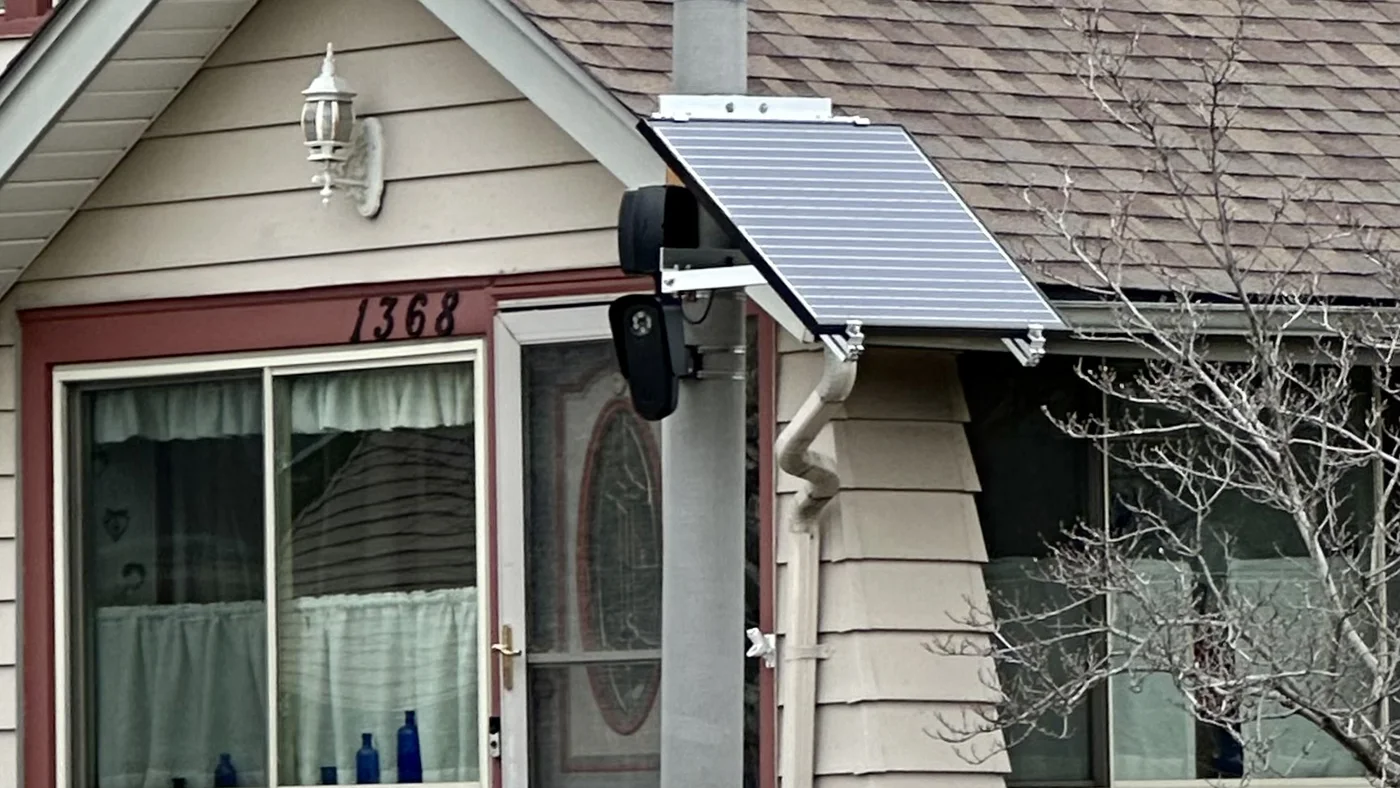
Lawmakers unveiled the Ban Flock Act on October 2, proposing restrictions on federal use of automatic license plate readers and their data. The House version, H.R. 10691, was introduced on October 1. Its official record shows referral to nine committees. It has not become law.
The AI connection is concrete. Flock Safety’s technical policy says its software uses machine learning to identify vehicle types, plate information and features such as roof racks. The proposal would regulate access to the resulting systems and information, alongside other technologies within its definitions.
The restrictions would reach data access
The introduced bill text would bar federal agencies, officials and people acting on the government’s behalf from acquiring, possessing, accessing or using covered readers and data in the United States, subject to exceptions. That includes data from readers operated by another entity.
Coverage is defined by function rather than vendor. It includes systems that identify, locate and track vehicles through plates or other persistent visual identifiers. Captured data includes vehicle characteristics, confidence scores, photographs and information derived from those records.
Exceptions would carry specific conditions
Congress could explicitly authorize a use, but the authorizing law would need to specify permitted entities, purposes and technologies. It would also need accuracy audits, rights protections, enforcement mechanisms and information controls, including retention of no more than 48 hours.
Tolling has a separate exception with limits on use and disclosure. The text permits disclosure under a particularized warrant. An emergency disclosure to prevent imminent death or serious injury would require documentation and a warrant obtained within 14 days of the request.
For toll records, the deletion deadline would generally be 48 hours after a successfully reconciled electronic payment. Necessary billing, unpaid toll, dispute or proceeding records could be retained until resolution and for up to 30 days afterward. Required financial records could remain after unnecessary plate data was removed.
Federal funding would provide a second lever
Starting with the first fiscal year after enactment, state and local governments would need a law or binding policy restricting reader use to the same or greater extent as the federal prohibition to receive covered financial assistance. This condition names five departments. They are Justice, Transportation, Health and Human Services, Housing and Urban Development, and Homeland Security.
A separate provision would restrict federal money spent on readers, data access, contracts and related arrangements, with statutory and tolling exceptions. It also bars using federal funds to replace other money spent on prohibited activities. Funds used in violation would have to be repaid.
Affected individuals would gain a route to sue the federal government over alleged violations of the federal use prohibition. Potential relief includes damages, legal costs and injunctions. The proposal also preserves testing and research by the National Institute of Standards and Technology.
The policy issue extends beyond the camera
Our view is that the important distinction for AI vendors and public agencies is access to data. Buying a camera is only one pathway covered here. Database searches and derived information also matter. If the legislation advances, reviewing those data flows would be as important as reviewing hardware purchases.
Archival December 2023 photograph of a Flock Safety camera and solar panel by Bruxton, dedicated to the public domain under CC0 1.0. Cropped, resized and converted to WebP.