Honda and Redwire explore robots for space station lab work
Honda is evaluating a robotic hand and Redwire arm combination to handle laboratory tasks aboard future commercial space stations.

Honda announced on October 1 that it is exploring a robotic system for laboratory work aboard future commercial space stations. The concept would combine its dexterous robotic hand with Redwire’s STAARK arm and experiment locker technology.
A hand for delicate work
Potential tasks include transferring samples, moving materials and operating laboratory equipment. The aim is to reduce the crew time spent on routine handling and support more research activity in orbit.
Honda’s hand design uses 16 active joints and tactile sensing across the fingers and palm. Force sensors at the fingertips add another view of contact with an object. That combination is intended to support precise manipulation of small items and tools.
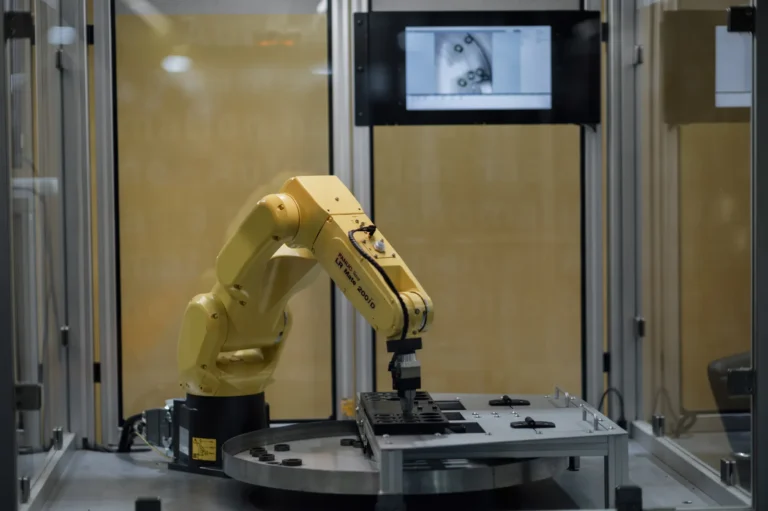
The October announcement also describes company testing in which the STAARK arm tracked and grasped moving objects autonomously. That result concerns the arm, and does not establish that the combined orbital laboratory concept has been validated.
Still a concept for prospective partners
Honda and Redwire plan discussions with station developers at the International Astronautical Congress from October 5 to 9. The release identifies possible uses rather than a contracted deployment or a launch schedule. It does not name an AI model controlling the proposed system.
The full experiment is the harder test
A useful evaluation would follow a complete laboratory procedure, including handling an unexpected object position, detecting an unsuccessful grasp and asking for help. Those interruptions matter because a task that needs frequent crew recovery could give back much of the time automation is intended to save.
The practical opportunity is therefore a system that can complete a bounded procedure reliably and explain when it cannot. Demonstrating that behavior would be a stronger milestone than showing an impressive individual hand movement.
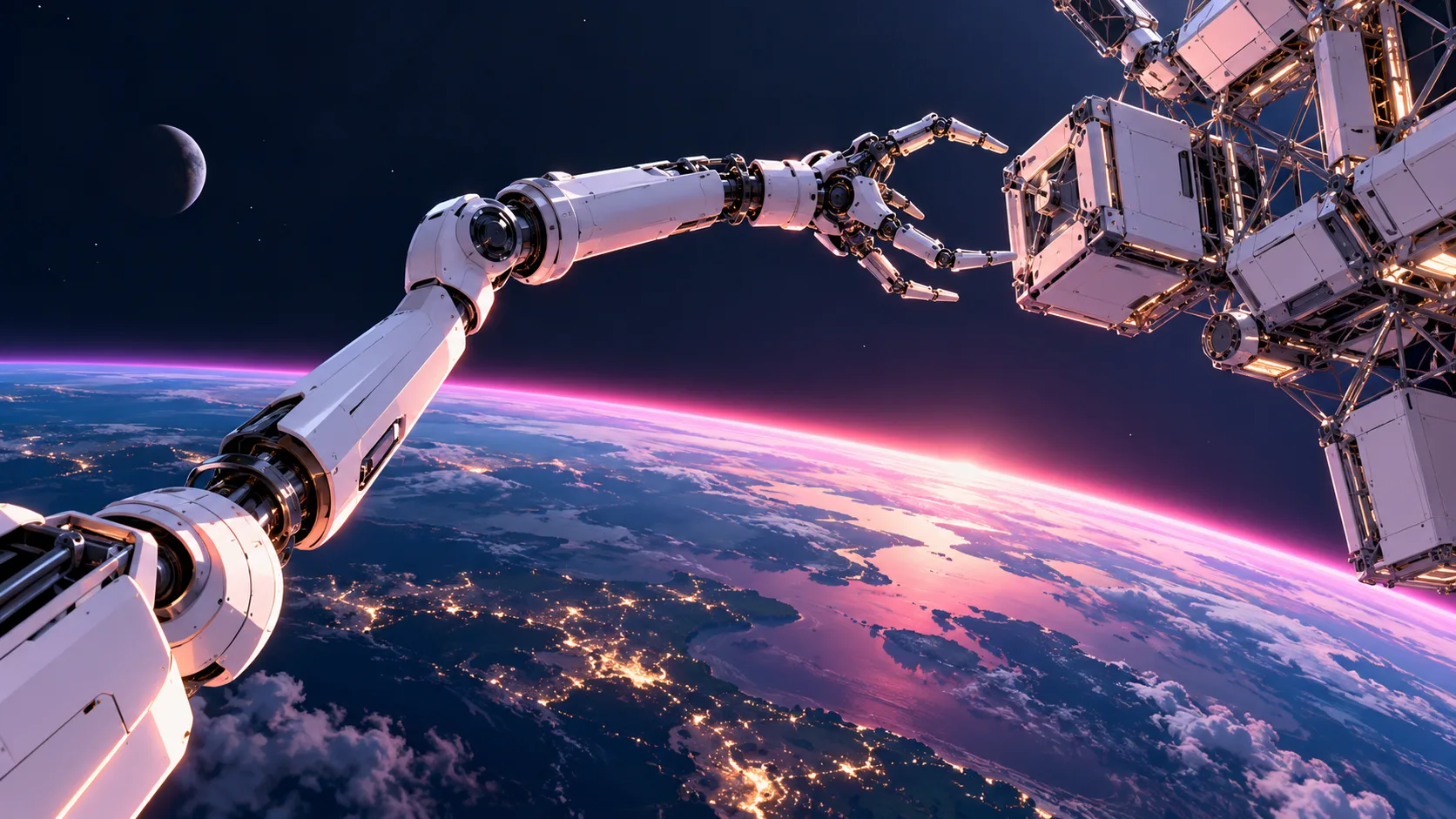
Featured image is an original AI generated conceptual editorial illustration.