OSTP alleges Moonshot used Anthropic outputs to train Kimi K3

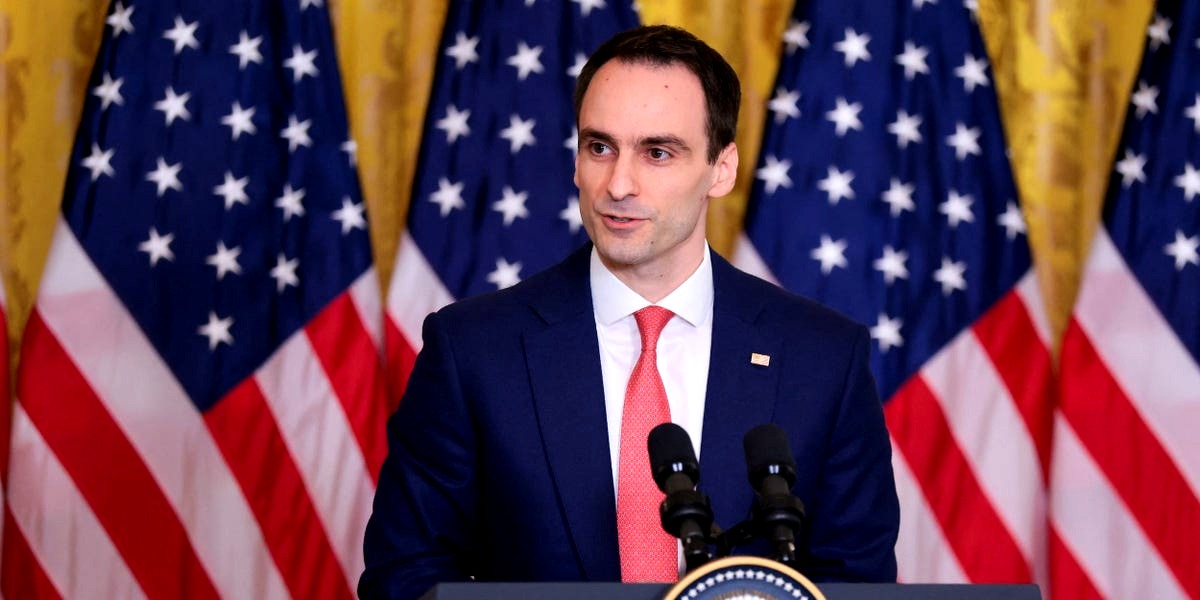
Washington just named a Chinese open-weight lab in public. White House OSTP director Michael Kratsios said the U.S. has information that Moonshot AI distilled Anthropic’s Fable to help build Kimi K3, according to Business Insider. Distillation stopped being a quiet terms-of-service dispute and became an administration accusation with sanctions talk attached.
Kimi K3 is the open-weight release U.S. labs have been measuring themselves against. If the allegation sticks, the policy fight over Chinese weights gets a specific defendant, not a generic warning.
What Kratsios alleged about Fable and Kimi K3
Kratsios wrote on X that Moonshot “distilled Anthropic’s Fable for the development of its K3 model.” He claimed Moonshot built an internal platform for large-scale distillation against U.S. models, switching among multiple access methods to avoid detection.
He drew a line the White House wants everyone to repeat: legitimate distillation that shrinks models for efficiency is fine; “large-scale, covert industrial distillation” aimed at stealing proprietary U.S. technology is not. Anthropic’s head of public policy, Sarah Heck, thanked him publicly and called illicit adversarial distillation IP theft and industrial espionage with national-security stakes.
Timeline pressure is real. Fable’s public availability window before K3’s debut was short; some researchers doubt K3 could be “primarily” Fable distillate. The White House is still making the charge. Moonshot had not issued a detailed public rebuttal in the initial coverage.
Multi-access distillation and GB300 export concerns
Kratsios’s second thread is hardware. He alleged Moonshot acquired Nvidia GB300-equipped servers and accessed GB300 capacity in Thailand, likely for training — a claim that lands next to U.S. export controls barring Blackwell-class gear from Chinese entities. Multi-access distillation plus third-country compute is the escalation path: not only scraping a rival API, but routing around chip bans.
That pairing matters. Distillation alone can look like Terms of Service theater. Distillation plus alleged GB300 access looks like an export-control case waiting for investigators. Secondary reporting says the Bureau of Industry and Security is examining how restricted chips reach Chinese AI firms through overseas infrastructure. Treat the Thailand/GB300 piece as an allegation under review, not an adjudicated finding.
Bessent’s sanctions warning
Treasury Secretary Scott Bessent sharpened the stick the same day. “Open source is not open season on American IP,” he posted, warning that when Chinese firms run covert, industrial-scale distillation that crosses into IP theft, sanctions and Entity List designations will be on the table. He had already said the U.S. would examine Chinese open-source models for stolen capabilities.
Entity List placement is the practical threat: cut off U.S. hardware, software, and cloud without licenses. Bessent also claimed U.S. authorities were “finding watermarks” of American LLMs in many Chinese models — a forensic claim that, if true, turns distillation debates into evidence fights.
How this hardens the open-weight policy fight
Analysis: naming Moonshot and Kimi K3 moves the open-weight argument from vibes to enforcement. U.S. labs want protection from industrial scraping. Chinese labs want the prestige (and distribution) of free weights that match frontier closed models. Regulators now have a template: accuse, threaten Entity List, and fold chip-routing probes into the same narrative.
What to watch is whether Treasury or Commerce follows with a designation — or whether this stays a speech-and-tweet campaign. Until then, every strong Chinese open-weight drop will be read first as a possible distillate, and only second as a research result. That is the point of the accusation, proven or not.