
Google Suncatcher satellite reaches orbit for TPU tests
Google confirms contact with its Suncatcher prototype after launch. The mission will test how AI hardware handles radiation and cooling in orbit.

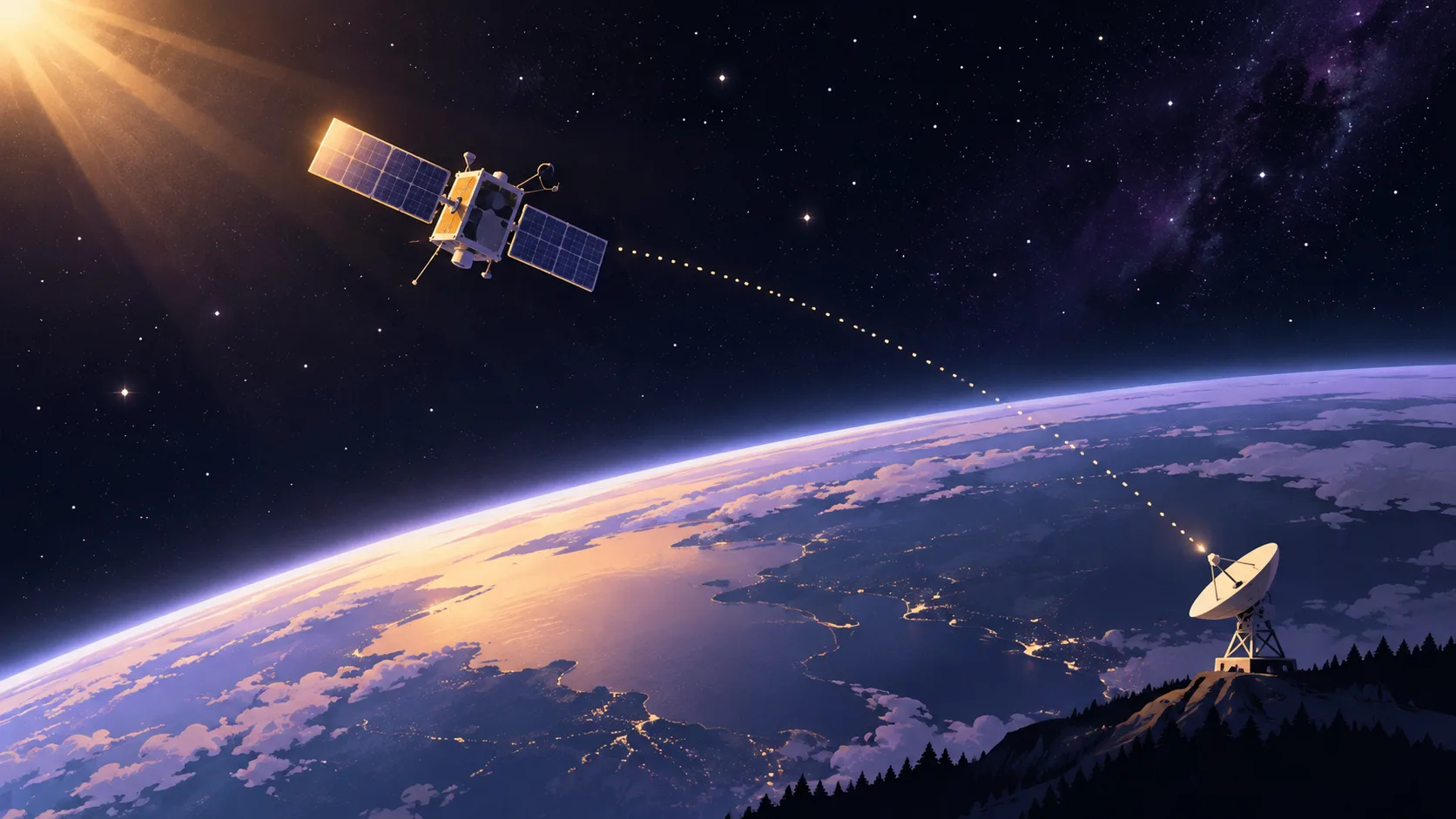
Google says its first Project Suncatcher prototype has reached orbit and established contact with the ground. In an October 1 mission update, the company confirmed that the satellite launched aboard SpaceX’s Transporter 18 mission and was operating as expected.
The spacecraft, built with Planet, will collect data on how Google’s Tensor Processing Units handle launch stress, radiation and temperature extremes. Google expects the experiments to unfold over the coming weeks. The immediate milestone is getting test hardware into its intended environment, with the performance findings still to come.
What the first orbital test is designed to establish
Google’s September 24 technical overview frames Suncatcher as research into whether space could eventually support large scale machine learning infrastructure. The company sees sustained sunlight in low Earth orbit as a potential source of energy for future computing systems.
That possibility depends on hardware surviving conditions terrestrial data centers rarely encounter. Google says it tested its Trillium TPUs with proton radiation while running AI workloads and subjected the satellite to vibration tests before launch. Those laboratory results helped prepare the mission. Measurements from the spacecraft will now test how the system behaves in orbit.
Cooling is another central question. A vacuum provides no airflow to carry heat away from the chips, so Google is exploring heat pipes and radiators. The company says thermal vacuum chamber tests informed the prototype’s cooling system, which will now be evaluated in space.
Networking remains a later milestone
The same technical overview describes a planned 2027 experiment using two satellites to test optical connections. Linking computing hardware across moving spacecraft would require precise positioning and very high bandwidth. That future experiment is a separate stage from the single prototype’s current hardware tests.
The launch changes the evidence available to the project. Engineers can move from ground simulations to operational measurements, then use those findings to revise their designs. An operating satellite alone cannot establish the cost, reliability or useful computing capacity of a much larger constellation.
Google’s announcement provides no completed orbital performance results. The next substantive evidence will come from the experiments and any measurements the company releases. For now, the confirmed development is the prototype’s arrival, successful contact and start of the mission’s test phase.
Related coverage includes ByteForward’s report on CScale’s optical AI interconnect funding.
Featured image is an original AI generated editorial illustration.