

C1 Egress puts AI agent credentials behind network policy
C1 details credential vending and destination controls while its linked AppHub code still requires production validation

C1 announced credential vending and C1 Egress on September 30. The tools govern which services an AI application can contact and how it receives access.
The September 28 AppHub introduction already described scoped credentials. September 30 is the formal Egress announcement, not an established date of first availability.
How the network control works
The launch explanation says credentials are issued for specific roles and approved IP ranges. Revocation applies on the next call. Egress inserts the actual secret only for permitted destinations, blocking internal addresses and cloud metadata endpoints by default.
The product page clarifies that the workload holds a substitute credential. Outbound destinations start blocked until allowed. Audit records include the source, destination and decision, while excluding the actual secret.
This controls network access around an application. The separate C1 LLM Gateway covered earlier governs model routing and inference spending.
Check the deployment boundary
The linked AppHub repository calls itself pre alpha and provides no release or supported upgrade path. Its isolated checks do not establish production readiness. Operators must validate real cloud deployment, identity integration and hostile container behavior in an approved environment.
For an evaluation, ask C1 to identify the supported deployment and destination types. Use harmless test requests to permitted and denied services, revoke access and inspect the next request and its audit record. Confirm how redirects and alternate network paths are handled.
ByteForward reviewed the public materials without testing the software. Treat the advertised controls as vendor claims until verified in the intended environment.
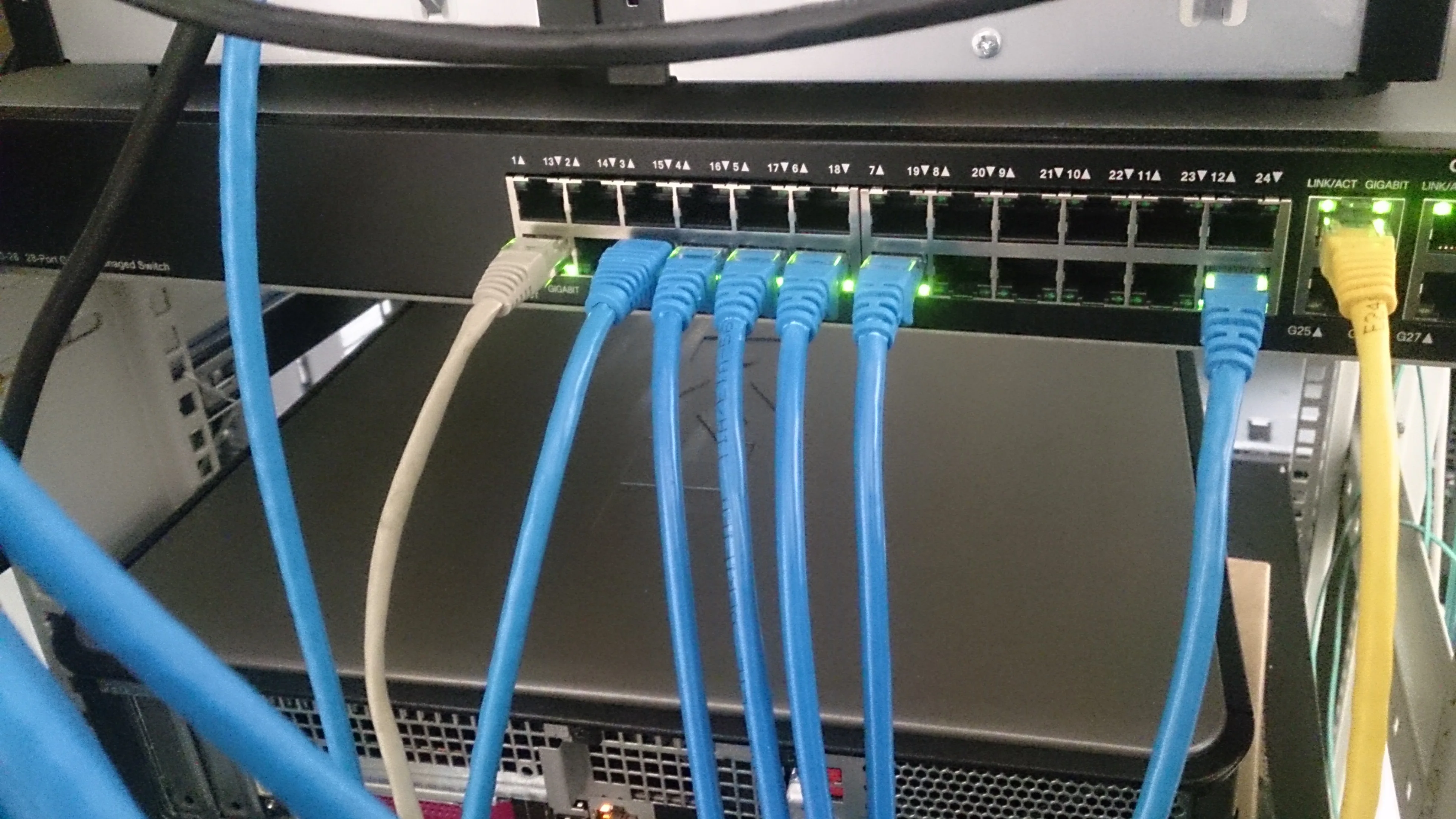
Archival network cables and switch photograph by ProjectManhattan, dated December 16 2014, under Creative Commons Attribution Share Alike 3.0. The image is unchanged and illustrates network hardware rather than C1 software.


[…] Related reporting covers C1 Egress controls for AI agents. […]