

Apple reportedly targets WWDC 2027 for its AI glasses reveal

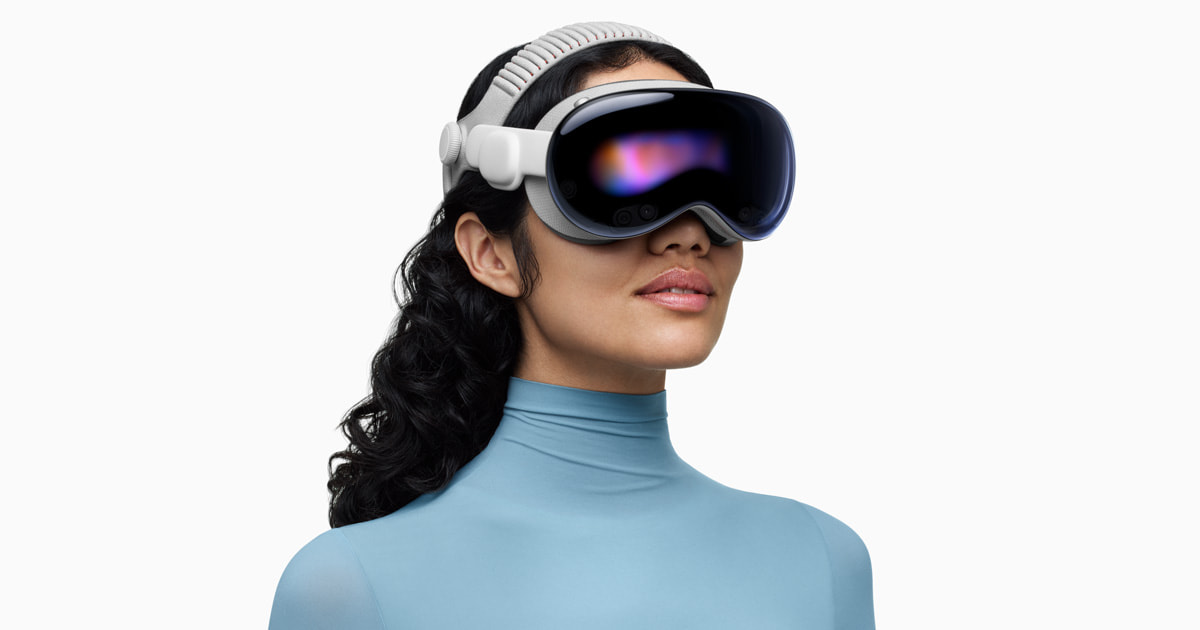
Apple is not racing Meta to put a camera on every face. Per Bloomberg’s Mark Gurman, reported by The Verge, the company’s first AI smart glasses are now aimed at a WWDC 2027 reveal, with consumer availability expected by late 2027. Privacy design, not a missing chip, is a central reason the calendar slipped.
That framing matters. Face-mounted capture already has a culture problem. Apple’s brand promise for a decade has been that it will not become the creepy camera company. Entering Meta’s category without a hard privacy story would torch that faster than a bad demo.
New WWDC 2027 / late-2027 ship target
Gurman’s latest timeline puts the public unveil at WWDC next June and hardware in customers’ hands before 2028. That is later than the ambient-AI hype cycle wanted, and later than Meta’s Ray-Ban line has already normalized glasses as an always-listening accessory.
The delay is not framed as a pure silicon stall. The Verge’s read of Gurman ties the hold-up to getting privacy features and messaging straight before Apple shares a stage with a product class defined, in public imagination, by stealth photos and video. Shipping late with a coherent story beats shipping early into a backlash Apple helped invent the language to criticize.
Privacy hardware choices after Meta backlash
Meta’s AI glasses have been the lightning rod: small form factor, easy capture, thin social consent. Gurman notes the reputational trap. Apple spent years making privacy a defining product message. Simply standing in the same aisle as Meta risks guilt by category, even if the silicon differs.
So the reported plan leans away from Meta’s more controversial behaviors. Expect on-device processing as the default pitch. Expect Apple to skip facial recognition and always-on recording akin to Meta’s “super sensing.” Gurman also believes Apple will refuse to feed customer recordings into AI training. That last point is culture as much as compliance. Wearables that train on your sidewalk become a different product the moment people notice.
Camera vs sensing-only vs camera-less debate
Hardware still has unresolved branches. Gurman leaves room for a future variant without a camera, or with a camera locked to sensing that cannot store photos or video, echoing rumors around AI-enabled AirPods. Those options are not confirmed SKUs. They are the design space Apple is reportedly willing to explore if full capture remains radioactive.
That is a real product fork. A sensing-only glass can still do scene understanding, translation overlays, and Apple Intelligence context without becoming a passerby-surveillance device. A full camera wins demos and loses strangers on the train. Apple appears ready to trade wow-factor for permission to exist in public.
What on-device Apple Intelligence would refuse
If on-device Apple Intelligence is the spine, several cloud-native habits get cut. No quiet upload of continuous video for model improvement. No face database that “just helps” identify friends. No always-listening archive pitched as convenience. The glasses become a local assistant with a tight sensor budget, not a head-mounted content farm.
Analysis: this is Apple playing defense as strategy. Meta already owns the early adopter curve and the controversy. Apple is betting late 2027 buyers care more about not being filmed than about shipping six months sooner with a blinking LED apology. Whether that bet holds depends on two clocks: can on-device models feel useful without cloud memory, and will regulators or venues force capture limits that make Apple’s restraint look inevitable rather than virtuous? WWDC 2027 is when we find out if privacy is a feature sheet or a delay excuse.




[…] Earlier ByteForward coverage considers privacy concerns surrounding AI glasses. […]