
Multiverse Computing targets up to €500 million in Series C funding
Multiverse Computing announced a Series C target of up to €500 million. Its stated valuation and projected funding total should be distinguished from completed proceeds.

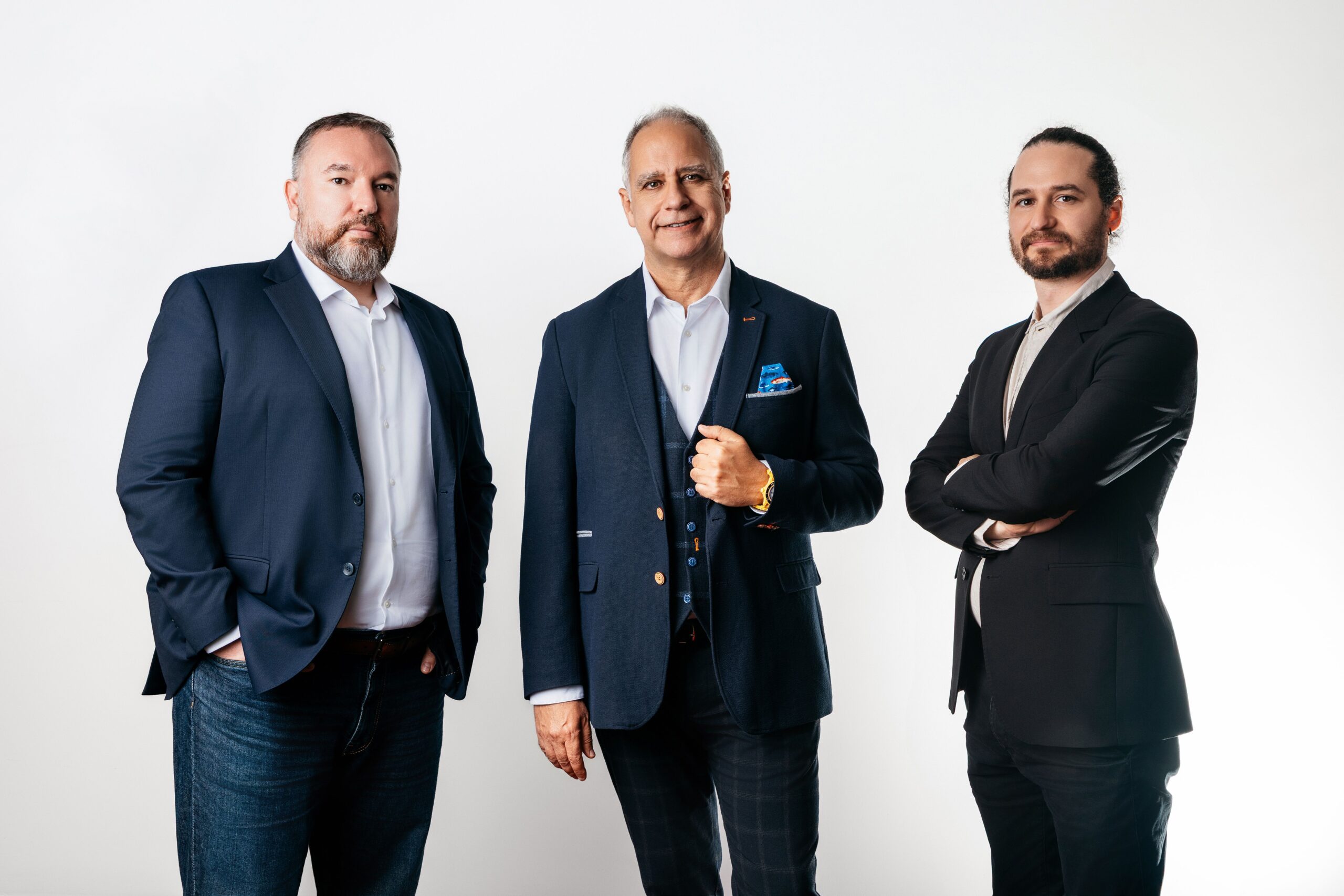
Correction added October 1, 2026. Multiverse Computing announced Series C fundraising targeting up to €500 million, or $570 million, at a stated valuation of €1.5 billion before the new investment. The company’s announcement does not establish that the full target had closed.
The bet is simple: if models can shrink without collapsing quality, sovereign data centers and edge devices stop needing a hyperscaler for every workload.
Series C target, valuation, and lead investors
Co-leads: Forgepoint Capital International, BNPP SIVF, and Bullhound Capital. Additional commitments named so far include Santander Alternative Investments, Tikehau Capital, HP Inc., Orange Ventures, Scania Invest, NAventures, Qatar Development Bank, Zouk Capital, SETT, the EIC Fund, the Basque Government’s Hazten Scale-Up Fund, and Kutxa Fundazioa. JP Morgan and Santander CIB advised. The round may stay open to select strategics.
The company frames the fundraising around model compression and efficient deployment. The stated valuation and target are announcement terms, not proof that a €500 million payment was completed.
Sovereign AI compression and CompactifAI
Core product: CompactifAI, tensor-network compression pioneered by co-founder and CSO Dr. Román Orús. The company claims 80–95% LLM size cuts with “immaterial” accuracy loss, plus a CompactifAI Router that decides in real time whether a job stays local or goes to the cloud. Pitch customers: enterprises that cannot, or will not, ship every token to a U.S. hyperscaler — finance, energy, defense-adjacent, manufacturing, telecom.
Named customers and partners in the materials include Allianz, Bank of Canada, Bosch, Iberdrola, Indra, PwC, and Telefónica. Multiverse says models already sit across drones, cameras, satellites, vehicles, and telecom gear, with AI PCs next. Since the June 2025 Series B, it reports more than 10x annualized revenue growth and 96x year-over-year sales growth in Q1 2026. Those are company figures, not audited GAAP. Impressive if durable; still a claim until the next diligence cycle.
International ‘AI gigafactory’ buildout plans
Use of proceeds, per Multiverse: grow the library of compressed models; fund proprietary algorithm R&D; make strategic investments in sovereign AI gigafactory infrastructure and the software stack around it; deepen presence in East Asia, Southeast Asia, the Middle East, Canada, and the United States. That is not a pure SaaS raise. Part of the cash is meant to underwrite physical and regional footprint for “efficient AI” deployments that governments and regulated industries will actually buy.
Europe has spent years worrying it cannot host frontier capability on its own terms. Compression that makes existing GPUs and edge silicon do more work is one answer that does not require matching U.S. training budgets dollar for dollar. Whether “gigafactory” language becomes steel and permits, or stays deck vocabulary, is the execution test.
The wider infrastructure push also includes Firebird’s AI factory in Armenia. A planned investment and an operating facility represent different stages of execution.
How the company describes expected total funding
Multiverse said the round was expected to bring total funding to $800 million, including prior rounds, and could remain open to additional strategic investors. That projected total should not be described as cash already raised.
This round prices AI compression as infrastructure, with sovereign buyers and device OEMs as the demand story. If CompactifAI’s 80–95% shrink holds under hostile evals, Multiverse becomes a tax on every wasted FLOP in Europe’s AI buildout. If accuracy slips outside the demo set, a unicorn mark on a compression stack becomes an expensive reminder that “immaterial loss” is a vendor phrase until customers say it under load.