Pony.ai and Uber plan London robotaxi tests in the coming weeks

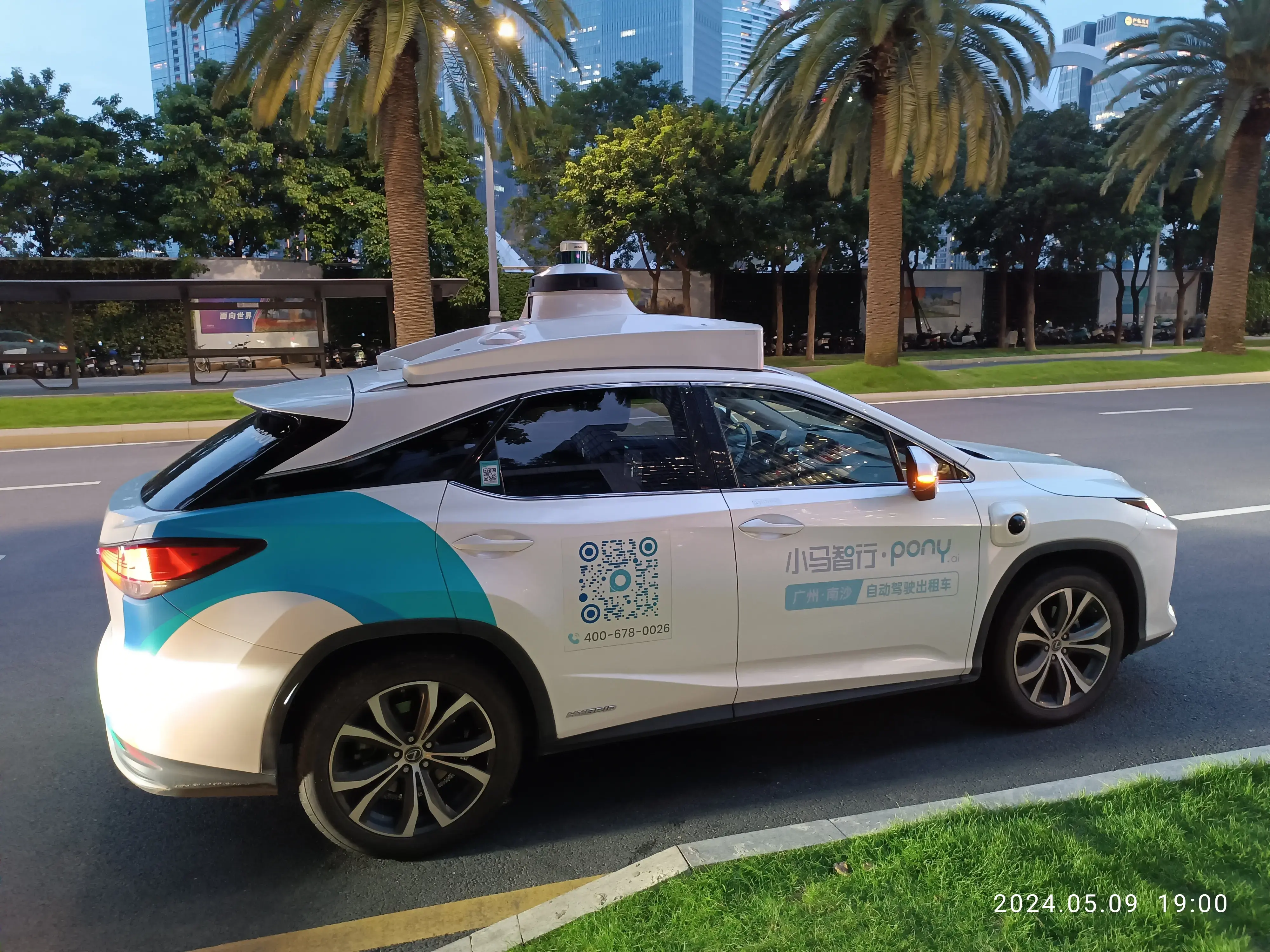
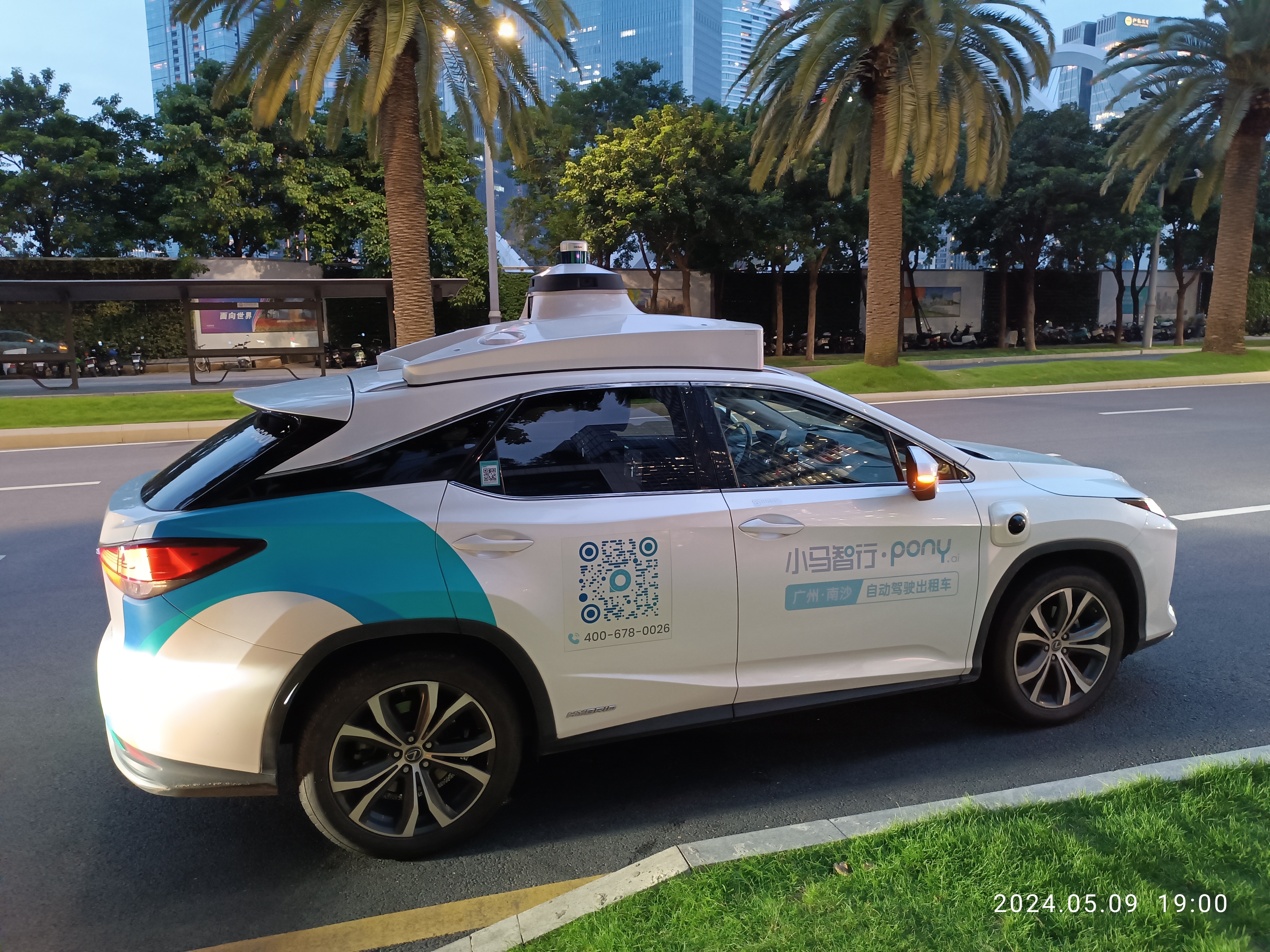
Pony.ai plans to bring its seventh generation robotaxis to London through its Uber partnership. In an October 8 announcement, the company said testing was expected to begin in the coming weeks and that it would work with government officials and partners as trial plans progressed.
The announcement gives no passenger launch date, booking instructions, London fleet size, operating area or named fleet operator. It also does not establish the test supervision arrangements or confirm a completed UK approval. Those details determine what Londoners could actually use.
What London riders can access
Uber already offers a separate route into supervised autonomous rides in London. Wayve and Uber launched that service on September 3. At launch, an UberX, Uber Electric or Uber Comfort request could be matched with a Wayve vehicle at no extra charge. Riders could accept the match or switch to a conventional ride.
The launch vehicles were Ford Mustang Mach E cars with a trained, Transport for London licensed private hire driver onboard. Airports were excluded. Wayve said opting in through Uber Trip Preferences would improve the chance of a match, rather than guarantee one. That pathway belongs to Wayve’s service and supplies no booking route for Pony.ai.
An existing platform enters a new market
Pony.ai unveiled Gen 7 in April 2025 at the Shanghai auto show. Its original lineup included the Toyota bZ4X, BAIC Arcfox Alpha T5 and second generation GAC Aion V. The company described a modular autonomous driving kit designed for multiple vehicle platforms and lower component costs than its predecessor. Those are company design and cost claims, rather than independent results from London testing.
The London plan therefore extends the geographic reach of an existing generation. The specific vehicle model for London remains unannounced.
The business framework also predates this week. On August 13, Pony.ai and Uber expanded their partnership around a target of more than 2,000 robotaxis across Europe, covering Zagreb and four additional cities. That figure is a regional deployment plan. It supplies neither a London allocation nor a count of cars already operating.
Their model separates the autonomous driving system, customer platform and fleet operation. Pony.ai supplies driving technology and operational expertise, while Uber provides functions such as booking and payment. Local fleet partners may handle daily operations, and vehicle ownership can vary by market. For London, naming the organisation responsible for the cars would clarify a substantial part of the deployment rather than simply add another partner logo.
Zagreb shows why the access stage matters
The clearest existing example is Zagreb. Uber opened autonomous bookings there on August 19 in key areas including the city centre. A licensed operator monitored from behind the wheel at launch. Pony.ai supplied the driving system, Verne owned and operated the fleet, and Uber provided app access. The arrangement made autonomous technology available to paying passengers while retaining onboard supervision.
A later milestone changed the supervision and the audience. On September 10, Verne and Pony.ai began driverless test rides for invited passengers on a 22 kilometre route connecting Verne headquarters and a business district with Zagreb airport. Verne said there was no operator or other personnel onboard and that its remote team monitored the vehicles without driving them.
Verne described those rides as a step toward future commercial driverless service. The invitation requirement is crucial for readers weighing access. A member of the public being able to book a supervised ride and an invited passenger taking a driverless test are different offerings, even when the same companies provide both. Neither announcement establishes a London service or its safety.
The UK route depends on the operation
The UK automated vehicle trialling code, updated on June 24, describes road trials with a driver able to resume control, a roadworthy vehicle and appropriate insurance. It says trial organisations do not need a general trial permit or surety bond, while passenger services must meet the applicable licensing regime. The code also calls for authority engagement and a safety case proportionate to the trial.
The government’s separate guidance for pilots without a safety driver sets out vehicle approval and registration, vehicle special orders and listing, plus automated passenger service permitting where passenger services are involved. A vehicle special order provides exemptions from requirements the vehicle cannot meet. This is a distinct process from simply testing automated technology under driver supervision.
For an automated passenger service resembling a taxi or private hire service in England, local licensing authority consent is required in each proposed operating area. DVSA assesses the permit application on behalf of the transport secretary. Local consent alone does not guarantee a permit, and technical assessment of the vehicle’s ability to drive itself sits with the national agencies.
The operational detail matters just as much to a passenger as the badge on the bonnet. Pilot applicants are expected to explain their geography, vehicles, accessibility, passenger support and incident arrangements. The permit holder remains responsible when other organisations supply functions such as booking or customer support. For readers assessing a future London offer, those details will show where it works, who can use it and who helps when a trip cannot continue.
Photo by LAUDM Hausdb RIWAMo via Wikimedia Commons. CC0 1.0. Original photograph unchanged.