
CScale raises $145 million to build optical links for AI clusters
CScale has emerged from stealth with a $145 million Series C and a plan to keep AI clusters running through optical link failures.

CScale announced a $145 million Series C on September 30 as it emerged from stealth, bringing its reported funding to $188 million. The Palo Alto company is developing optical connections that help large groups of AI accelerators operate together.
The issuer announcement names Atreides Management, Valor Equity Partners and Premji Invest as co leaders of the round. NVIDIA and Intel Capital joined as strategic investors. CScale says the money will support development and commercialization.
Keeping computation running when links fail
CScale is designing an integrated light engine around a reliability problem. As tightly connected systems spread across more racks, a failed optical component can affect the work performed by expensive processors. The company wants to contain those failures without interrupting computation.
That is an architectural goal. The release does not provide the bandwidth, latency or power measurements needed to compare a shipping product, nor does it name a delivery date. Participation by chip companies establishes an investment relationship, not a disclosed commitment to use CScale technology.
Where optical links fit
The broader networking problem has several layers. NVIDIA’s architecture overview distinguishes links that tightly connect processors from networks connecting systems and infrastructure spanning multiple data centers. CScale is targeting the first of those jobs.
Reliability also involves more than replacing a broken part quickly. In its own silicon photonics documentation, NVIDIA describes external laser modules intended to make diagnosis and replacement easier. That illustrates why serviceability is already a design consideration across the sector.
For operators evaluating new interconnect technology, useful evidence will include what happens during a component failure, how much work is interrupted and what recovery requires. CScale’s next substantive milestone will be demonstrating its proposed continuity benefits in a form customers can measure.
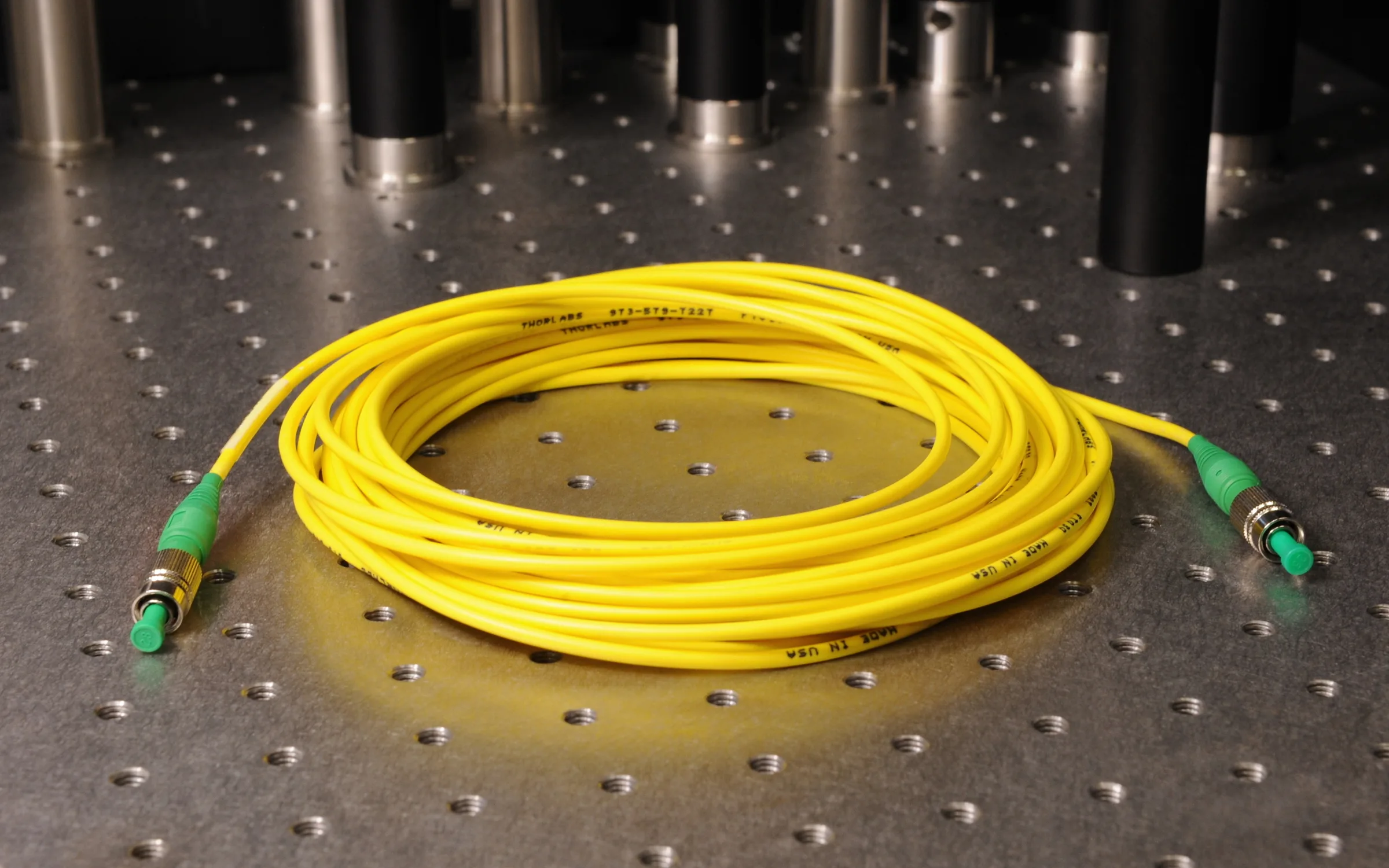
Illustrative optical fiber photograph by Geek3 via Wikimedia Commons, shared under Creative Commons Attribution Share Alike 4.0. The photograph shows laboratory cabling rather than CScale equipment. The site converts its format and crops it for display.