
Legora raises $550 million to expand its legal AI platform
The new financing backs a legal AI platform built around request handling, reusable instructions and lawyer review rather than a new foundation model.
Accessibility Adjustments
Use these optional tools to adjust reading and display preferences. These tools cannot resolve every accessibility barrier. Please contact the website owner if you need assistance.


The new financing backs a legal AI platform built around request handling, reusable instructions and lawyer review rather than a new foundation model.
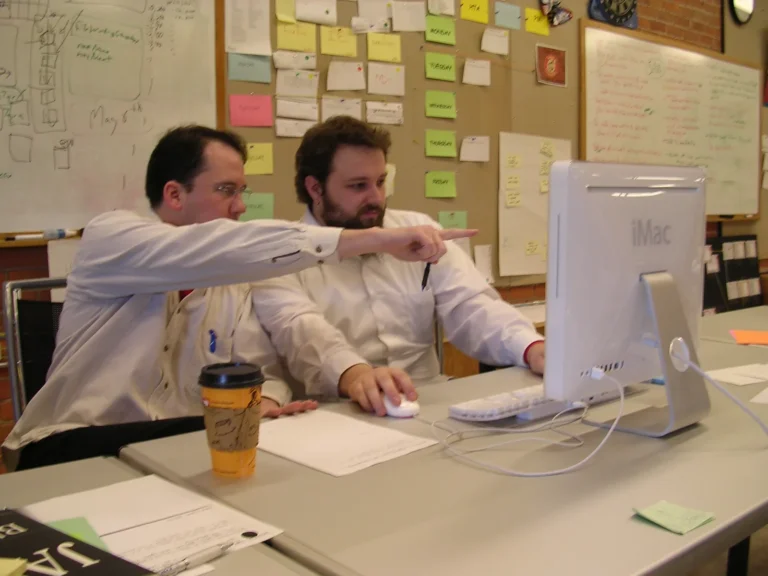
Anthropic is transferring Agent Skills to AAIF. The format remains open, while client permissions, dependencies and workflow testing still matter.
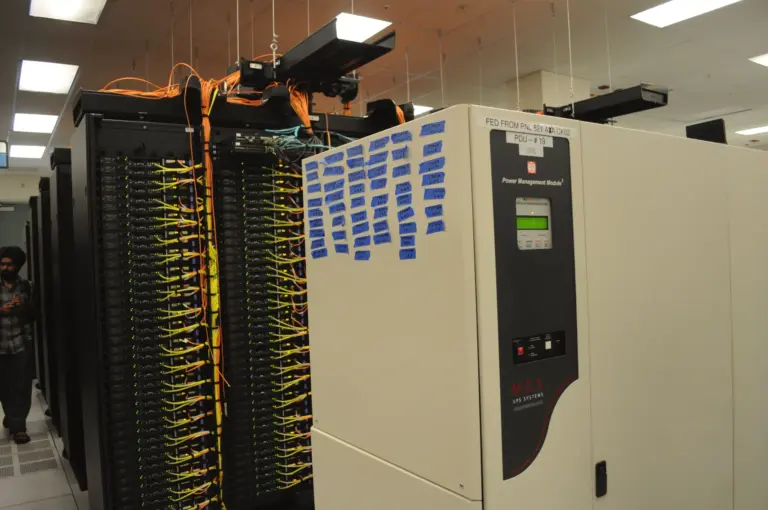
Blacksmith’s Series C funds CI infrastructure. Its documentation separates GitHub runner access from a private beta for recording evidence about code changes.

Firstwork connects document checks, portal tasks and credential renewals. Its investor describes customer approved rules, while product pages include automated restrictions and clearance.
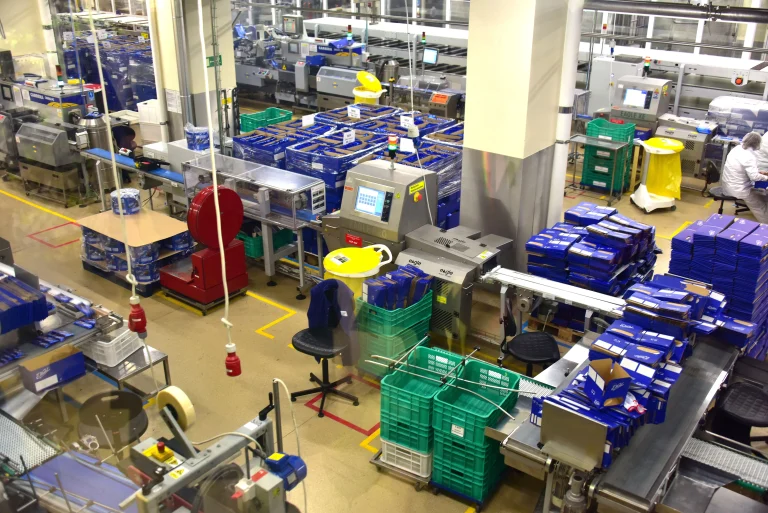
Opply's funding backs procurement agents for consumer brands. Its current services retain customer approvals, while inventory and production planning remain on the roadmap.

Daytona's new funding backs agent infrastructure. Its current docs separate container storage, VM memory, network rules and credential scope.

Pigment's Series E backs its AI planning platform. Current tools build models and analyze data, while the Planner Agent remains on the roadmap.
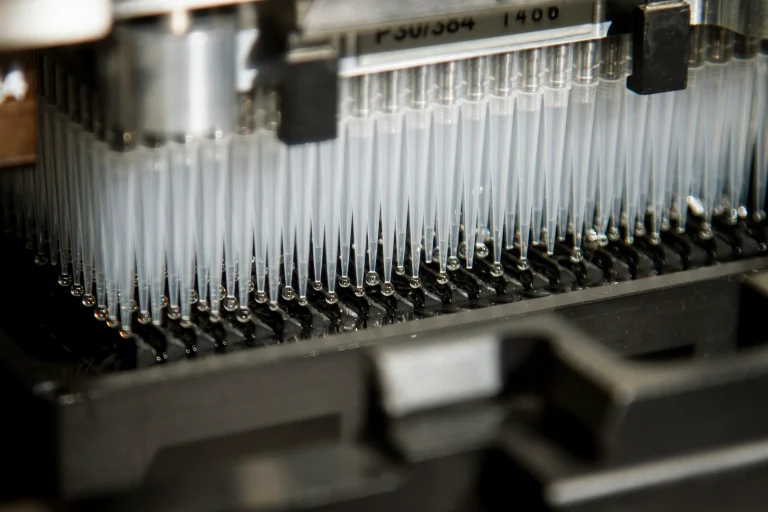
Orchestra brings drug program coordination to OpenAI’s life sciences plans.

Hyper 1.11.0 enables cloud browsing for stable users, with desktop takeover, temporary sessions and limits on mobile sign in.

Cursor’s October 16 update adds shared canvases, a beta Environments API and support for 300 repositories, with sharing and access conditions for teams.

OpenCode 2.2.6 clarifies review loading failures, adds scripted worktree runs and waits for current-prompt background jobs. Here are the limits to check.
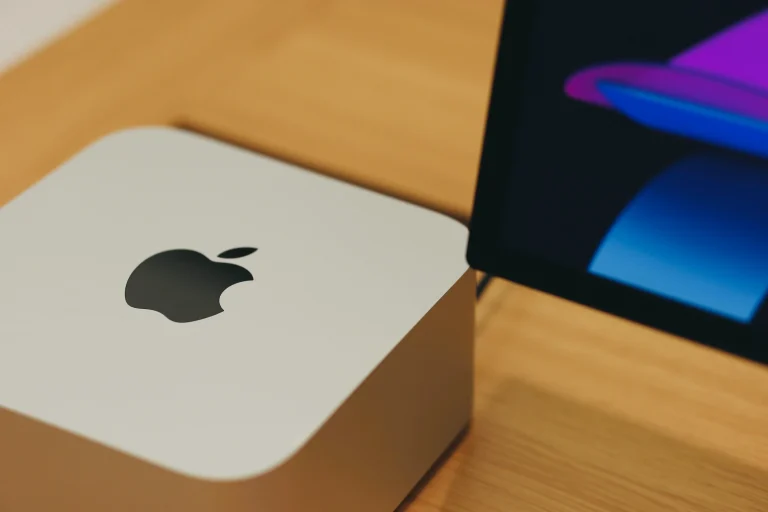
Meta’s October 15 release offers BF16 and NVFP4 weights. Mac results vary by checkpoint and setup, while the license adds specific service conditions.

Three skills target setup and quality checks.

Figma’s October update brings running prototypes and shared specifications onto the canvas, with rollout, credit and code visibility limits to check.

Harmonic’s Series B funds workplace AI controls. Its product tiers separate monitoring from agent permissions, with prompt injection blocking still planned.

Suki plans to expand healthcare AI, integrations and its partner business.
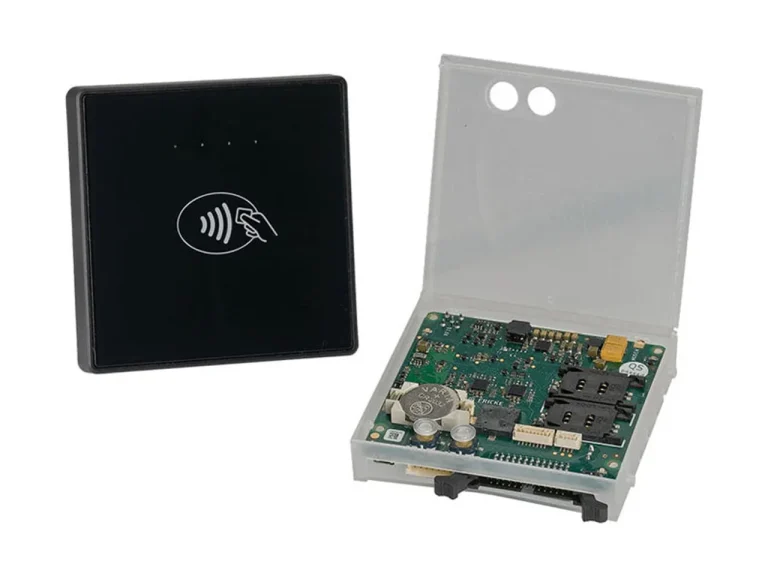
The framework would give issuers authenticated purchase instructions before an AI agent completes a transaction.

Model routing expands to longer tasks. The test dates matter.

Melius reports cumulative funding for its creative tools. Editable workflows, generation credits and planned features shape the practical evaluation.
MiniMax identified Space Bunny as an early M3.1 Flash version on October 19. The earlier free-access listings should not be treated as current guarantees.

Sesame adds computer access to its voice assistant preview. Here is what users can try and how Google permissions and conversation controls differ.
OpenCode changes its built in V1 updater and adds a deliberate path to V2. Source inspection reveals what users should check before switching.
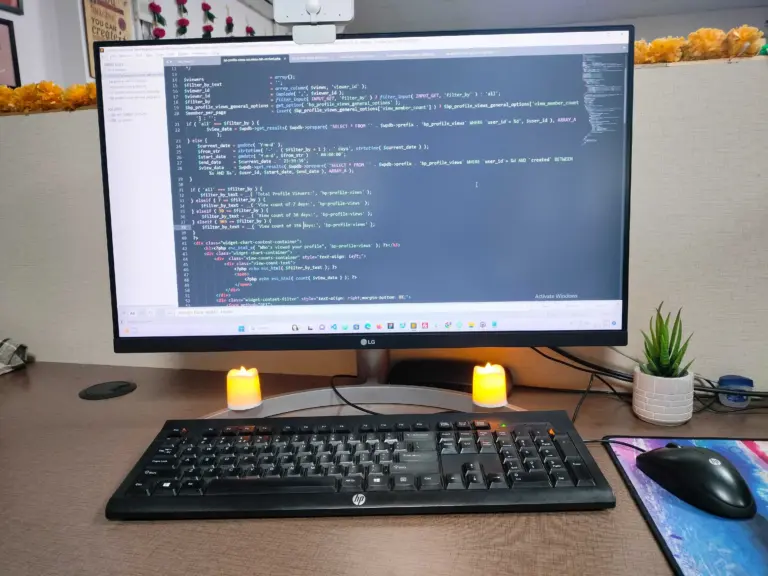
LocalLightChat adds agent tools, MCP, retrieval and image editing, with practical requirements for connected models, deployment and migration.
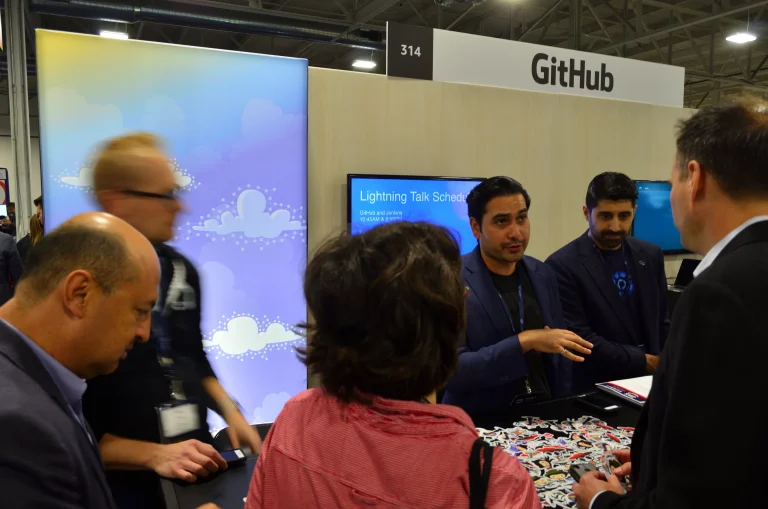
GitHub announces granular Copilot telemetry controls while earlier VS Code releases reveal why deployment checks matter.


