
Nvidia publishes Vera CPU specifications for agent orchestration

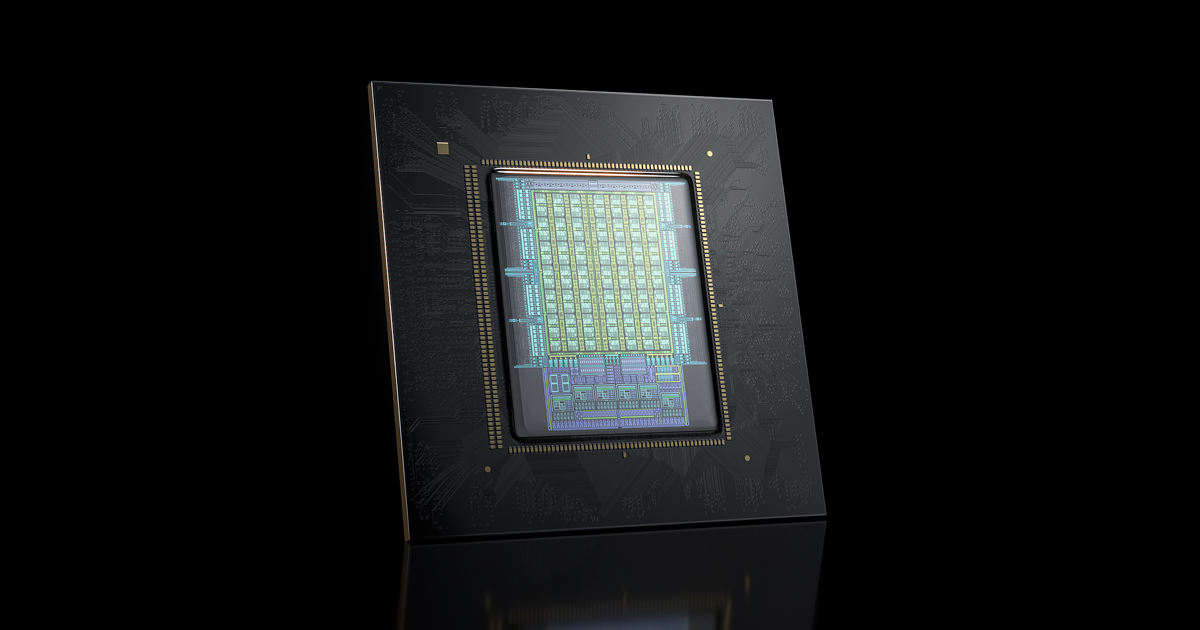
Agentic AI just dragged the CPU back into the rack fight. CNBC reports Nvidia released customer-facing specs for Vera, its Arm-based data center CPU, and confirmed June shipments to OpenAI, Anthropic, and SpaceX. The pitch is blunt: agents need a babysitter chip fast enough to keep expensive GPUs fed, and Nvidia wants that babysitter to be its own silicon.
This is Nvidia trying to unhook AI factories from AMD and Intel x86 hosts while selling more of the full rack.
Vera’s Olympus cores and agent-orchestration role
Nvidia says Vera is the first server CPU it designed from the core, built on custom Olympus cores rather than an off-the-shelf Arm design. The bet is single-core speed, memory bandwidth, and latency — not the core-count arms race that defined cloud x86 for a decade.
Per CNBC’s account of Nvidia briefings, Vera is claimed to deliver about 50% better performance for AI agents than comparable x86 parts. Product marketer Hannah Coutand framed the goal as getting agents back to their GPUs quickly so accelerators stay utilized. Hyperscale VP Ian Buck put it simpler: agents made CPUs “much more integral,” especially “how fast a CPU can answer one question.”
Power draw sits between 250 and 450 watts. Each chip can attach up to 1.5 TB of low-power memory, tuned for bandwidth and latency rather than classic server DIMM habits.
Which customers already received units
Nvidia told CNBC that Vera chips went out in June to OpenAI, Anthropic, and SpaceX. OpenAI plans large-quantity deployment starting this quarter. On the cloud side, the named partner list is thin: Oracle shows up; the big three hyperscalers do not, at least in this disclosure.
That gap matters. Shipping to frontier labs proves the silicon is real. Getting AWS, Azure, and Google Cloud to displace AMD and Intel host CPUs is a different sale. Coutand called adoption “early innings.” Take that as Nvidia’s own caution label.
Standalone, dense-rack, and Vera Rubin configs
Vera will sell standalone, in a two-Vera server, and in a liquid-cooled dense rack of 256 chips. It also pairs with Nvidia GPUs in the Vera Rubin system — the AI-factory SKU that matches Nvidia’s strategy of selling full racks instead of orphan accelerators.
Analysts already priced the wedge. Wolfe Research floated roughly $5,000 average selling price and about 1.3 million units this year; Nvidia declined to comment. The company floated a long-run server CPU market that could reach $200 billion, against a Bernstein estimate nearer $37 billion for the mature 2025 market. Those are strategy numbers, not bookings.
What this opens against AMD and Intel x86
AMD and Intel still own hyperscaler trust. Gartner’s Kevin Knox calls AMD the company to beat in enterprise AI server CPUs, with reported shares around 33% for AMD and 66.8% for Intel — and AMD gaining. Markets noticed the agentic CPU revival: CNBC notes AMD and Intel are among 2026’s best-performing chip stocks, up 128% and 149%, versus Nvidia’s roughly 8%.
Analysis: Vera is Nvidia building a CPU class tuned for agent orchestration that x86 vendors have not answered yet. Cambrian AI Research’s Karl Freund argues it will sit on intense AI paths and help Nvidia capture host revenue that used to leak to Intel and AMD. If OpenAI’s volume deploy lands and Oracle is not a one-off, the agent boom becomes another vertical-integration tax. If hyperscalers keep AMD/Intel hosts and only sprinkle Vera at the edge of the rack, this stays a specialist chip with a loud keynote.