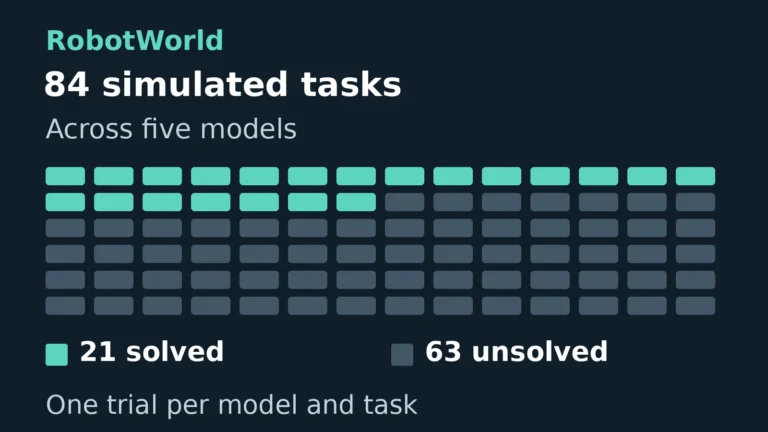
RobotWorld tests AI agents across 84 simulated tasks
Five models leave 63 tasks unsolved in the reported evaluation.
Accessibility Adjustments
Use these optional tools to adjust reading and display preferences. These tools cannot resolve every accessibility barrier. Please contact the website owner if you need assistance.


Robotics brings AI into physical environments where movement, timing, and reliability matter. This category covers embodied AI, robot learning, navigation, manipulation, and control across machines built for homes, workplaces, and industrial settings. We examine how robots use sensors, interpret their surroundings, plan actions, and recover when conditions change. Coverage asks what a demonstration establishes, how much human assistance it requires, and which tasks remain difficult outside a controlled setting. Advances in AI research help explain progress in simulation, imitation learning, and the transfer of learned skills to physical hardware. Connections with AI agents that plan and execute tasks add context to questions about autonomy and oversight. Real world deployment also depends on safety, maintenance, energy use, cost, and the ability to operate around people. Readers can use this coverage to judge what a robot can do today and what evidence is still needed before a promising capability becomes dependable.
Five models leave 63 tasks unsolved in the reported evaluation.
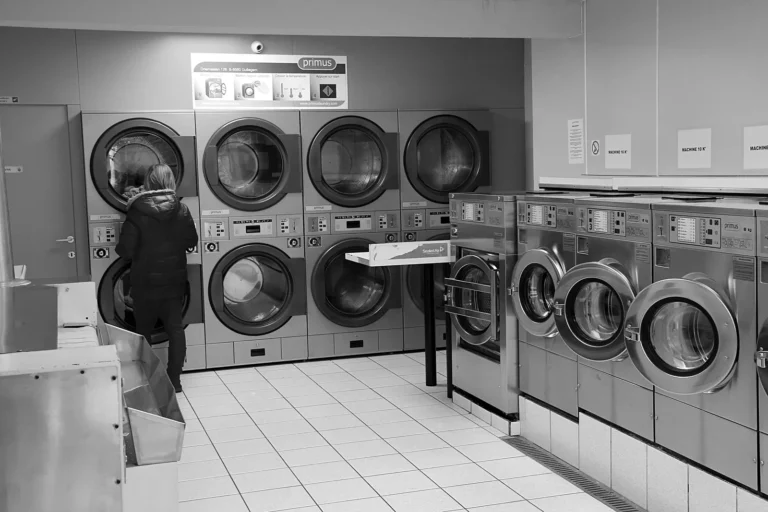
A new benchmark separates safe task completion from efficient resource use.
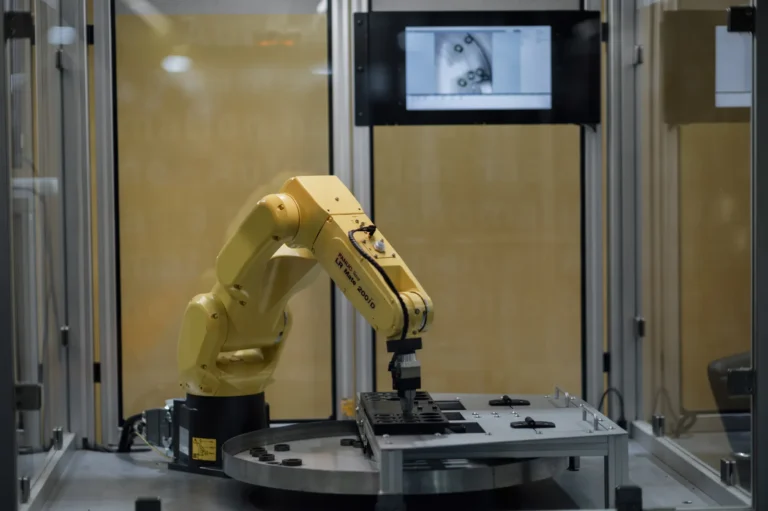
A robot study tests physical feedback without adding tactile sensors.
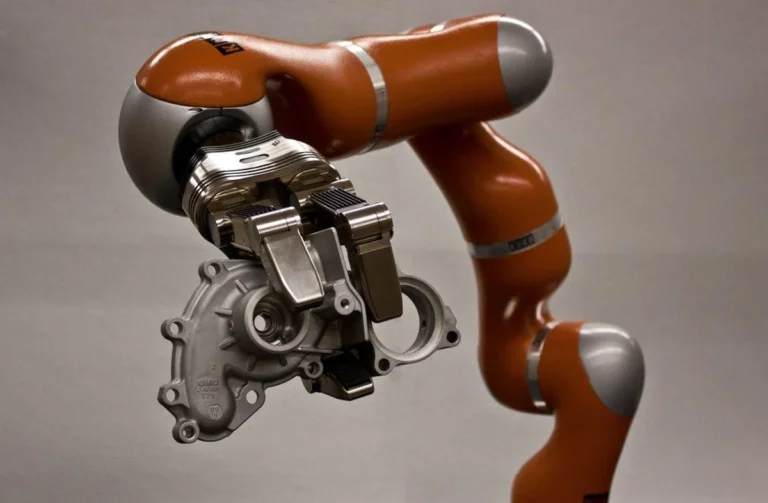
SALT studies adaptation to visual disruption using an earlier robot plan.
A new preprint evaluates robot task completion and refusals using an existing open source framework.
Stanford researchers test more selective robot practice with human supervision.
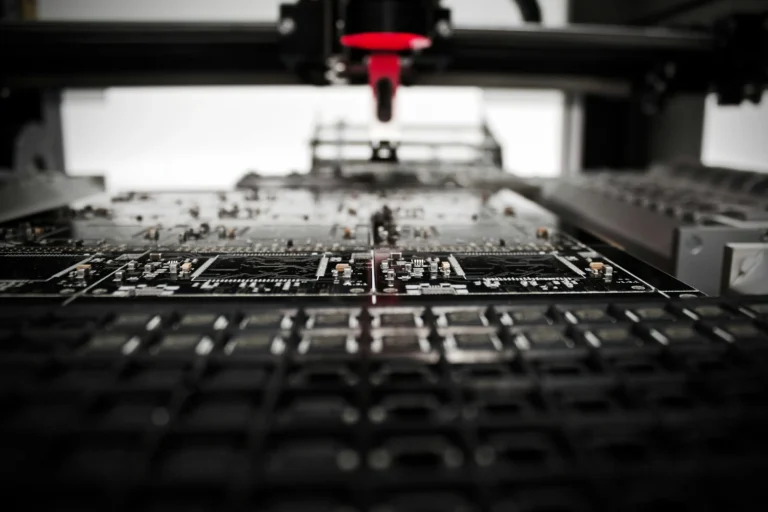
The companies plan to explore links between assembly robots and electronics testing.
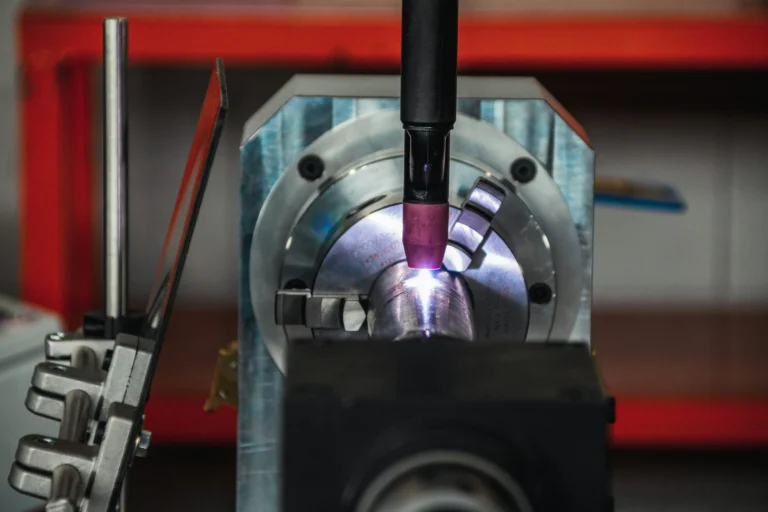
The Korean research programs cover local robot computing and automated welding.

Their first joint customer operation carries freight between Dallas and Houston with an observer in the driver’s seat.
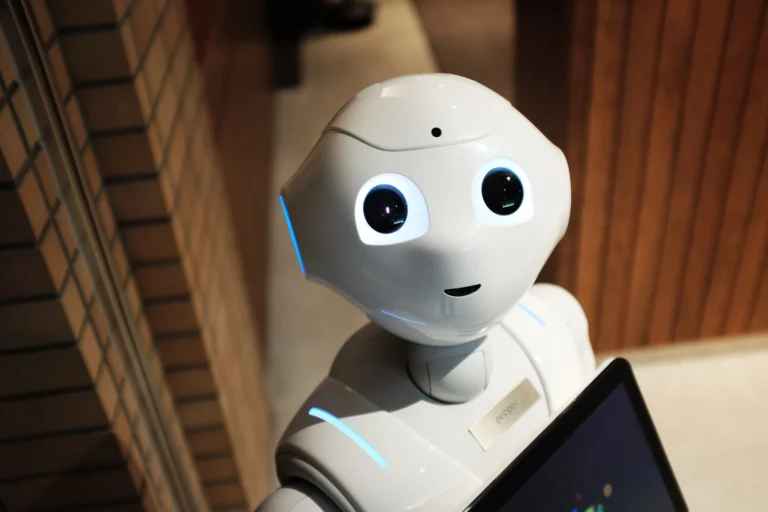
The combined company metric leaves paid sales and completed deployments unclear.
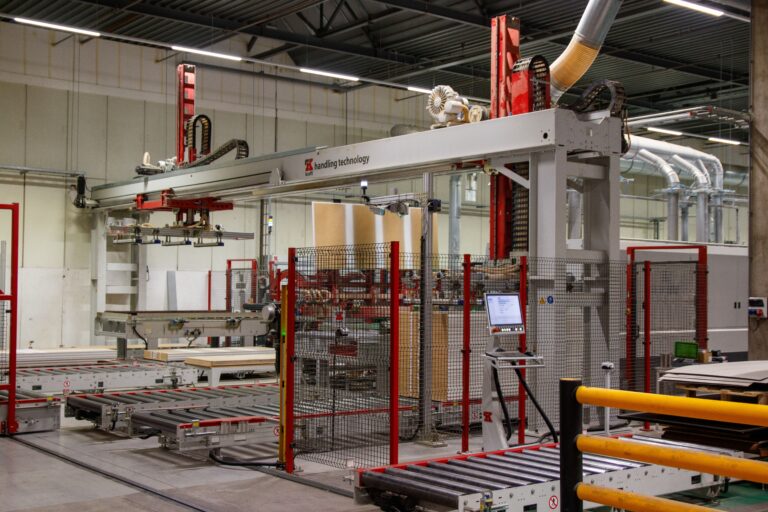
The transaction adds new capital and employee liquidity. Alfie’s commercial launch is planned for March 2027.
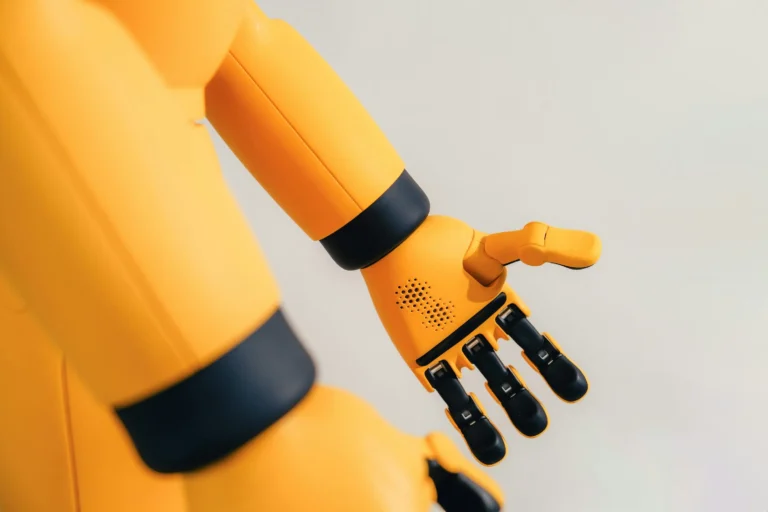
A robotics study tests direct video pretraining before labeled robot adaptation
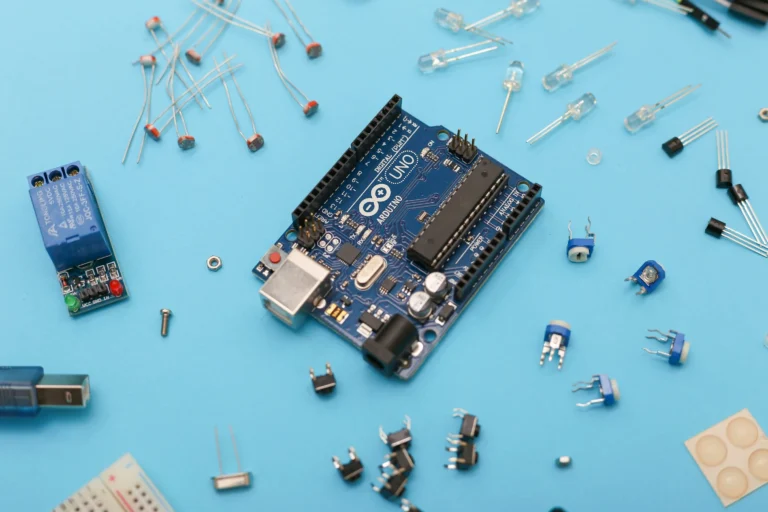
A distillation study measures the tradeoff between robot policy speed and success
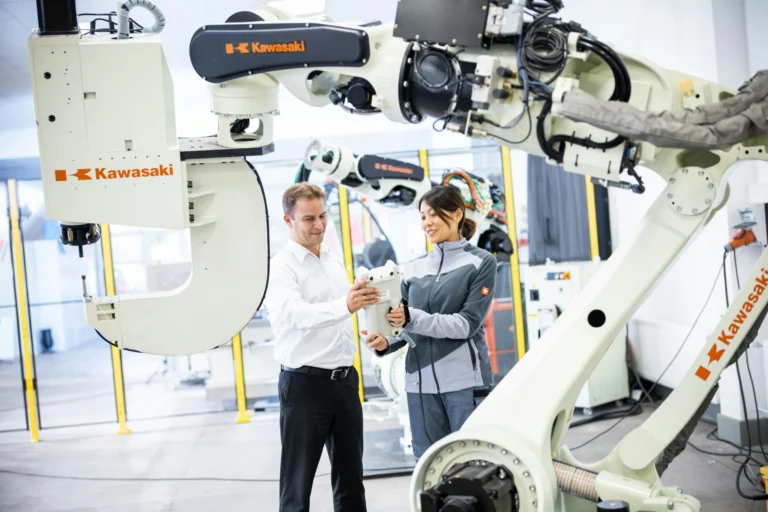
The October 5 funding announcement adds the seed amount and lead investors. The robot testing business remains available through private access.
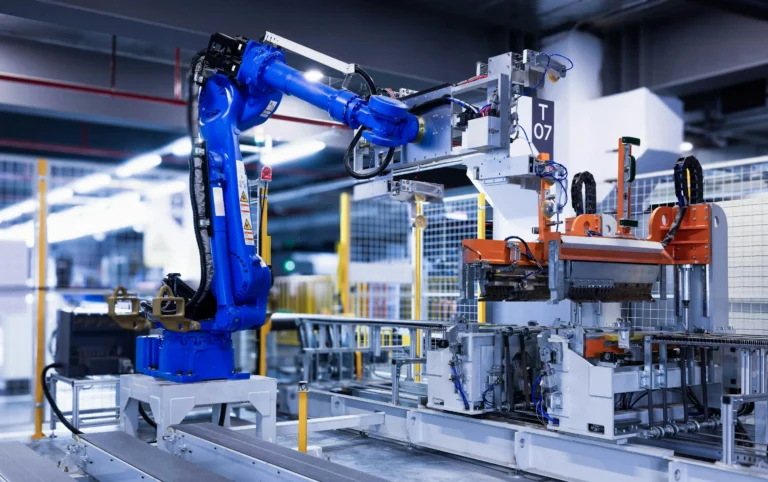
Human video training improves a manipulation model in simulated tests
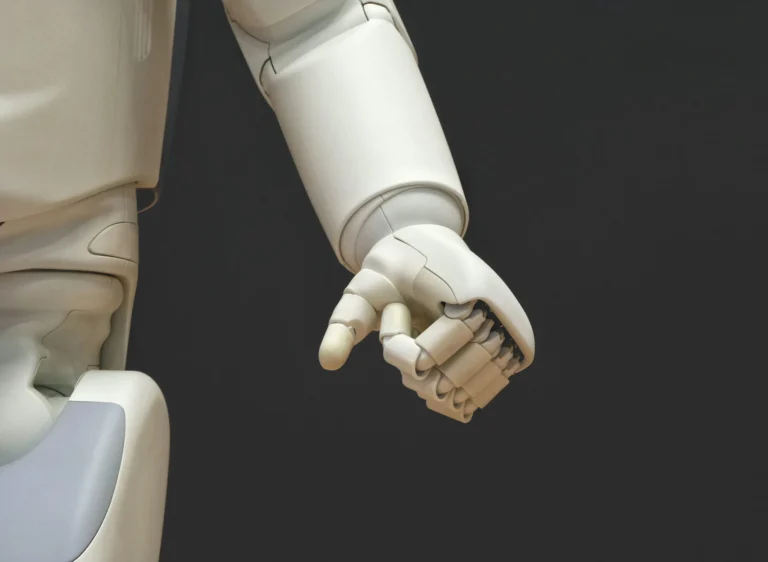
A Keio study tests a shared motion representation across robot demonstrations
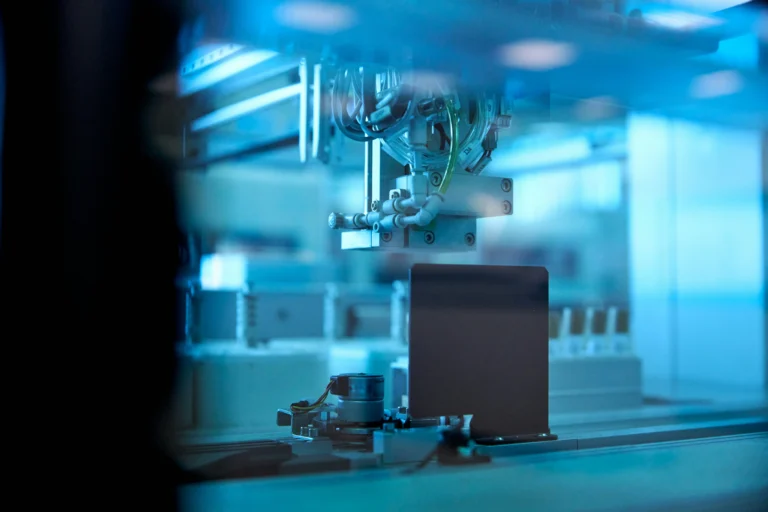
Hello Robot outlines a new research phase with home studies and care staff evaluations
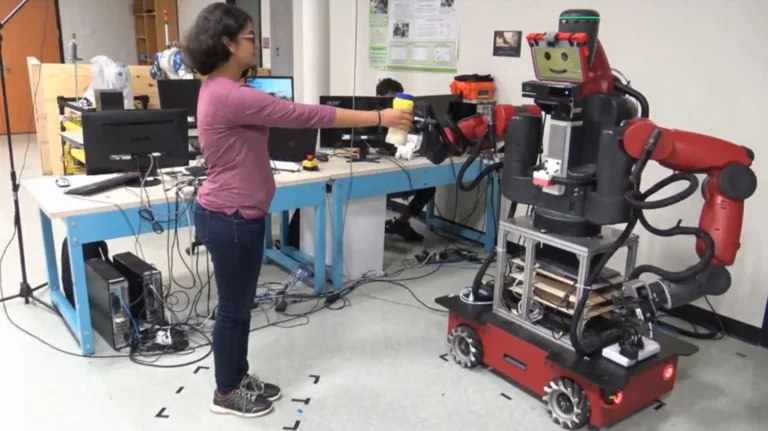
Robot recovery research reports gains across four physical tasks
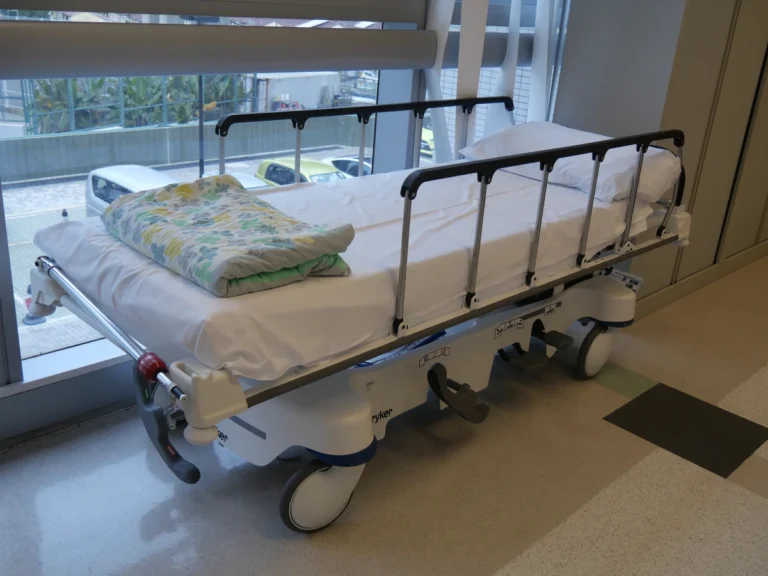
The mobile platform starts with hospital logistics
Researchers improve robot skills and prompts in simulation
Runway starts partner testing of a video trained robot policy while public weights remain pending
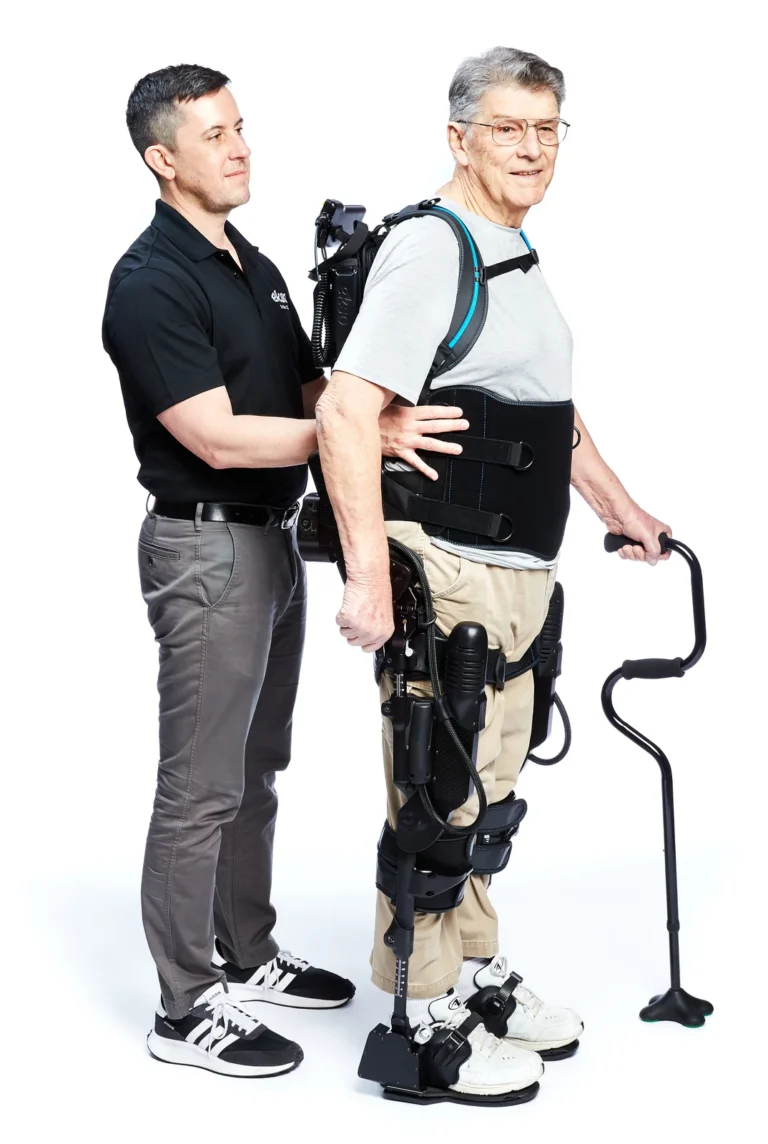
Wandercraft has acquired Ekso Bionics as seller ChronoScale concentrates on AI infrastructure and accelerated computing
Dyna shows an hour of laundry work with Taku while customer deployment remains the next test for its new robot system
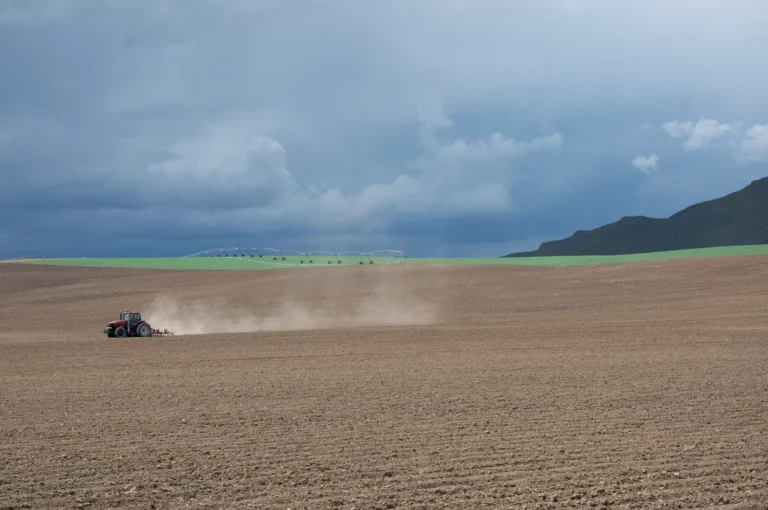
Bonsai World adds simulated environments for autonomous machinery. Field tests will determine whether preparation and reliability improve.

