Anthropic opens an AI interview study with optional public answers
Anthropic is asking Claude users what they want from AI. The study runs through October 6 and lets participants choose whether to publish their interviews.

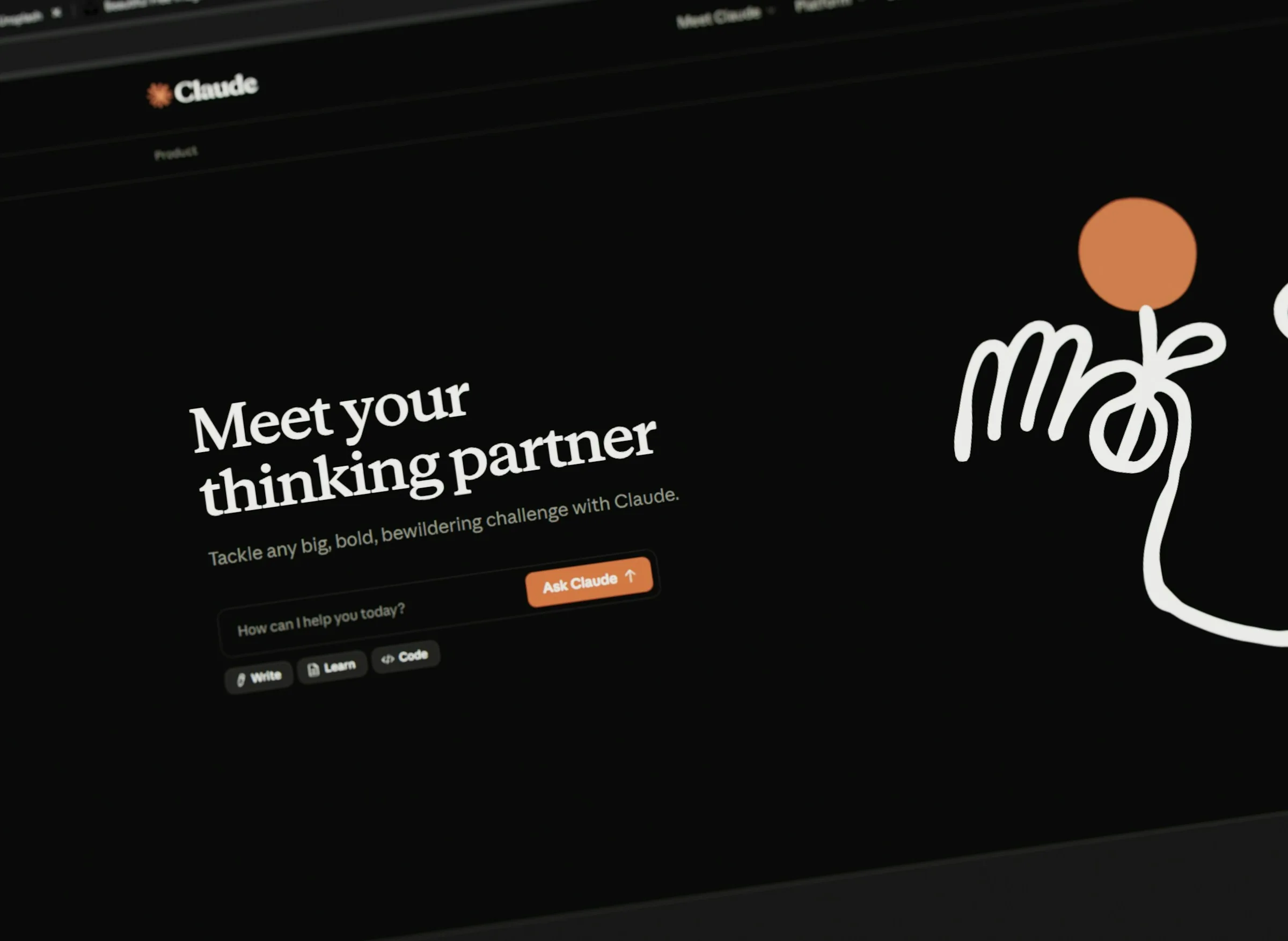
Anthropic opened a study on September 29 about people’s experiences with AI and expectations for its developers. Participants can now choose to publish their complete interview.
The study runs through October 6. Free, Pro and Max users on Claude and Claude Code can participate if their accounts are at least two weeks old. Interviews take about 15 minutes.
The study follows earlier public outreach covered in our report on Anthropic’s invitation for difficult AI questions.
What the interview is trying to learn
The questions cover meaningful positive and negative experiences, changes people would like AI to help bring about, and expectations for AI companies. The scope includes everyday life and work, rather than focusing on a single question about the pace of development.
Anthropic Interviewer uses Claude to conduct conversations. Researchers define the study’s goals, refine an interview guide, and work with the system to analyze responses. During an interview, the tool adjusts its follow up questions to what the participant says.
That format can capture explanations that a short rating scale would miss. Someone who finds a tool useful may still object to how it handles information or changes their work. A conversation gives them room to describe those tensions. The quality of the final research will depend on how faithfully that detail survives the analysis.
Participation and publication are separate choices
Public sharing is optional. Anthropic says the public version includes the interview and the country associated with the conversation, without the person’s Claude account name or email. Interviews will be released after the study and initial analysis.
The privacy guidance for this study explains that participation involves collecting responses, account information and study metadata. Data can be used for research and improvements. Sharing with selected outside researchers or journalists depends on the choices made during the session.
The guidance also says interview responses may be combined with summaries of Claude usage to study how experiences relate to usage. Where Memory is enabled, responses may inform future personalization according to the participant’s choices. Someone deciding whether to participate should review those settings and the consent screens as well as the public sharing option.
Removing a name does not guarantee anonymity
Anthropic can remove a transcript from its own systems and public repository following a deletion request. It cannot guarantee that copies saved by other people will disappear. A decision to publish therefore deserves the same care as any other public account of personal or professional experience.
The company’s announcement points to research on identifying people from online text. That paper examined how language models could connect pseudonymous writing and conversations to identities, including interviews. Its results support a practical concern. Several ordinary details can become identifying when combined.
A description of a unique project, employer or location may reveal more than intended even when no name appears. Participants should also consider details about colleagues, clients and family members. Describing the underlying problem in general terms can preserve the substance of an experience without publishing a recognizable story about someone else.
What researchers can learn from the results
Anthropic explicitly says Claude users are not a representative sample of the public. People who agree to publish their interviews form a further subset. Those limits should stay attached to any conclusions drawn from the released material.
The opportunity is a body of detailed accounts that outside researchers can examine themselves. They can assess whether a summary reflects the interviews, notice themes the original team missed and compare different interpretations. Open access could make the work more useful while leaving the sampling problem intact.
Readers should look for a clear explanation of how participants were recruited, which interviews were included and how recurring themes were identified. A compelling quotation can illuminate a person’s experience. It cannot establish how common that experience is across the population.
For anyone considering the interview, the immediate decision is straightforward. Read the study’s consent information, keep identifiable details out of the response and decide separately whether public release is appropriate.
Featured image is an illustrative photograph of the Claude website by Planet Volumes on Unsplash, used under the Unsplash License.