OpenAI updates GPT 5.6 Sol and expands access to Luna

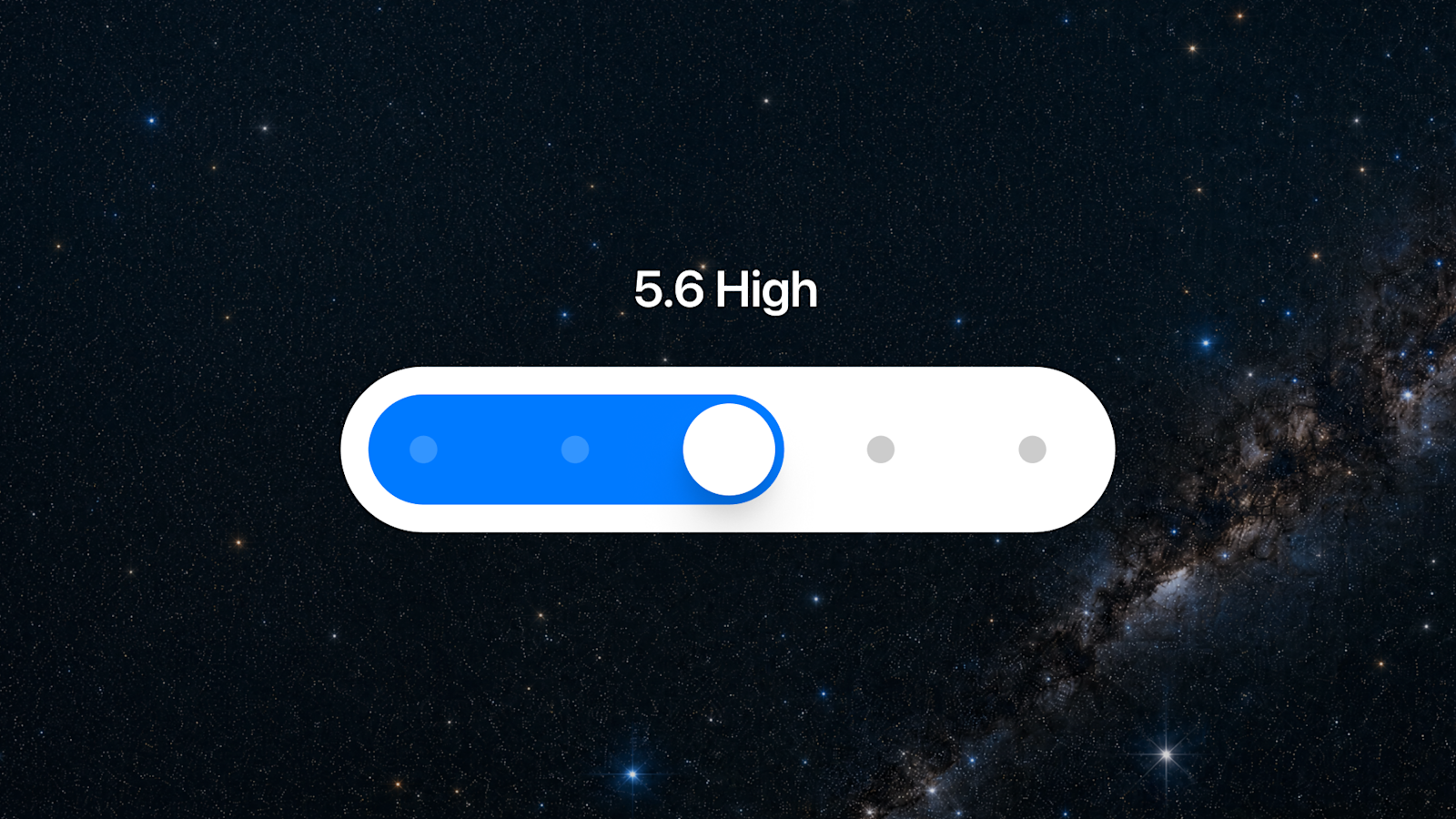
OpenAI just retuned the ChatGPT front door without touching the agent stack behind it. In today’s product post, Plus and Pro get an updated GPT-5.6 Sol built for tighter, more factual chat answers plus a reasoning-effort slider. Free and Go users get GPT-5.6 Luna as the new default, with unlimited text chats and a Think button rolling in next week. Codex and ChatGPT Work keep the prior Sol/Luna builds.
What changed inside Sol for Plus/Pro
This is a chat behavior change, not a new API model drop. OpenAI says the Sol that powers Work and Codex is unchanged. The ChatGPT chat cut is the one that moves: more direct answers, less decorative formatting, detail that scales with the question, and a corrective push when blind agreement would be useless. Instant and deeper reasoning now share one Sol personality instead of feeling like two different models.
The headline reliability claim is internal. On financial, medical, and legal prompts that demand factual detail, OpenAI says responses with at least one factual error were about 68% less common with the new Sol and 62% less common with Luna than with GPT-5.5 Instant. That is OpenAI grading OpenAI. Treat it as a directional product signal, not a third-party bench.
How the reasoning-effort slider works
Plus and Pro users get a slider on web, mobile, and desktop that sets how much thought each reply burns. Keep it low for quick questions. Push it up for planning, research, writing, coding, or decisions that need more pass. OpenAI’s pitch is continuity: higher effort should feel like the same model taking longer, not a personality swap into a separate “Thinking” sibling.
That is a quiet product bet. GPT-5.5-era Instant vs Thinking friction trained people to treat modes like different staffers. A single Sol with a dial says OpenAI wants one voice and a compute knob. If the slider leaks tone changes or quality cliffs between positions, power users will notice in a day.
Luna’s expanded free default
Free and Go users switch to GPT-5.6 Luna as the default this week. Starting next week, OpenAI says they get unlimited text chats and a Think button that buys higher reasoning for harder questions, subject to abuse guardrails. File uploads, images, and other tools stay limited. Sol’s chat-optimized August cut stays ChatGPT-only; it does not redefine the API surface.
The competitive read is blunt. A free default on the efficiency-tier model, with a reasoning escalate button and no text rate limit, is OpenAI answering Gemini and Claude free tiers with volume. Preference data at that scale is the quieter prize. Luna becomes the model millions will teach what “good enough” looks like before anyone upgrades.
What power users should re-test
If you live in ChatGPT Plus or Pro, re-check the workflows that broke under Instant verbosity or Instant hallucinations: multi-step research, citation-heavy answers, coding scaffolds, and anything where a polite wrong answer is worse than a short correct one. Try the slider at both ends on the same prompt. Confirm Instant and high-effort no longer drift in voice.
If you build on the API, Codex, or Work, do not assume this post changed your model id or pricing. It did not, per OpenAI. Your regression suite can stay put unless you also depend on ChatGPT chat behavior for demos or internal tooling.
Analysis: OpenAI is splitting the product personality from the agent personality on purpose. Chat gets the retune and the free-tier flood. Agents keep last month’s Sol. That is good for API stability and annoying for anyone who still assumes “whatever shipped in ChatGPT” is what the API will do next.