Baroness Campbell brings an AI recreation of her voice to Parliament

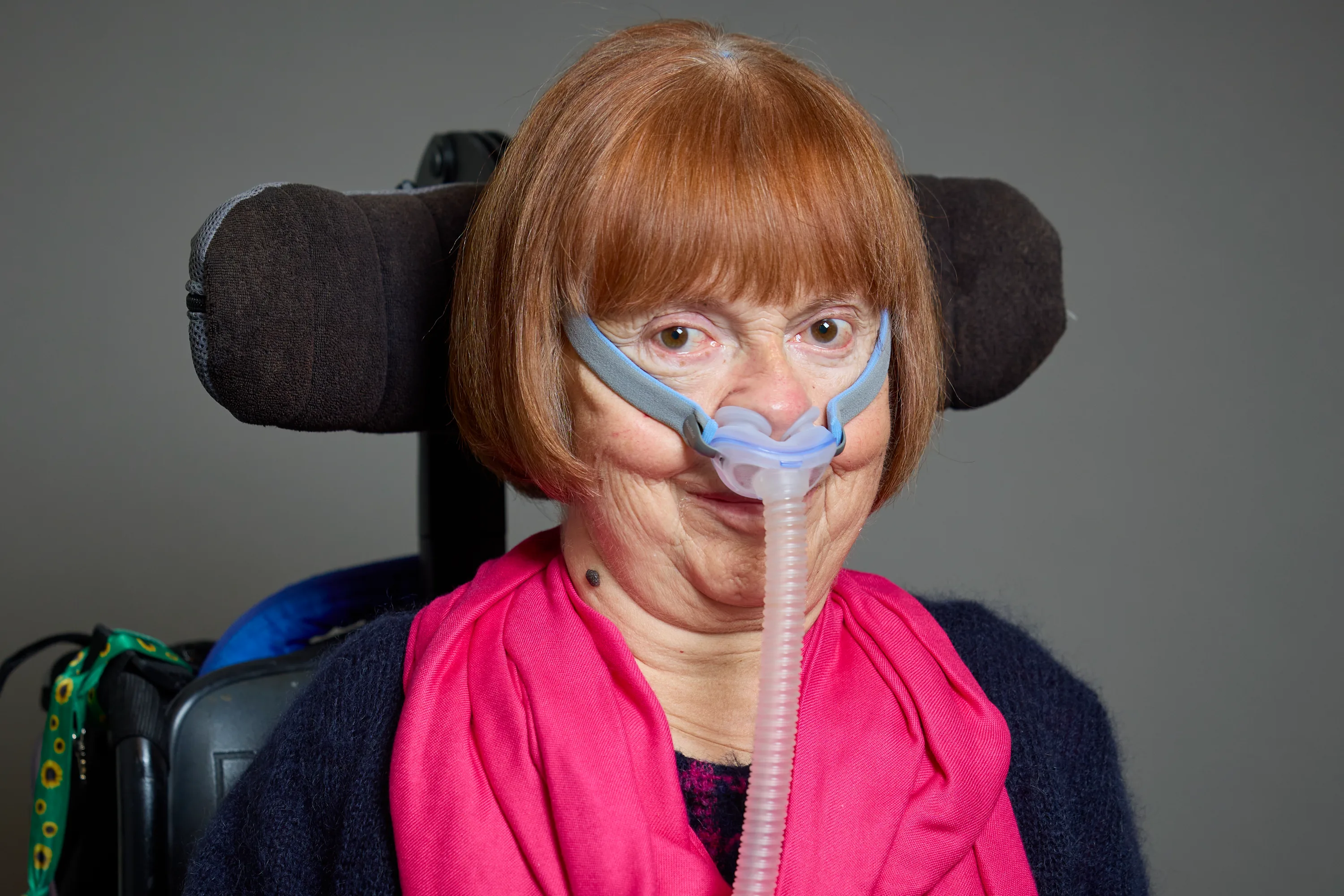
Baroness Campbell of Surbiton addressed the House of Lords on October 13 using an AI recreation of her own voice. The official debate record logs her contribution at 4.10 pm and records her thanks to the parliamentary staff who made it possible.
The occasion was the second reading of the Health Bill. Parliament had announced the planned appearance on October 9. Tuesday’s speech turns that advance notice into a documented use of synthetic voice technology in a national legislature.
The words remained her own
ElevenLabs describes the process as voice cloning followed by text to speech. Campbell uploaded older recordings of herself to recreate her voice, then turned her written speech into audio that played through an assistive device in the chamber. The company says she chose the technology herself.
Campbell emphasized that the speech, arguments and views were hers. The AI supplied a way to deliver that writing in a recreation of her voice. The provider does not identify the exact model version, recording duration or playback device, so those technical details remain unspecified.
That distinction matters when assessing the event. A person’s authorship does not depend on producing every sound unaided. The questions worth asking are who chose the words, whose voice was reproduced and whether the speaker controlled the result. Treating all synthetic speech as the same activity would miss what happened here.
An accommodation with a history
The Lords’ earlier announcement identifies Campbell as an independent crossbench peer and disability rights campaigner. It says the Procedure Committee permitted the AI voice, following a 2012 accommodation that allowed her assistant into the chamber to read speeches when needed. Parliament described the planned use as its first such speech.
The progression is revealing. The institution had already accepted that participation could require a different delivery method. The new arrangement changed that method again. Software alone could not authorize its own place in the chamber. The setting, staff and agreed procedure were part of making the contribution possible.
Control matters beyond the demonstration
ElevenLabs’ existing Impact Program documentation offers a useful point of comparison. It says professional voice clones made with clinical support must be created and stored in the individual’s own account. Clinician accounts are for learning and demonstrating the tools. The program also describes manual verification when someone’s current voice differs from older recordings. These are published program rules, not proof of Campbell’s account setup.
For another institution considering a similar accommodation, preserving the speaker’s control deserves as much attention as the resemblance of the audio. A convincing voice would be an incomplete achievement if its owner could not decide what it said or how it was used. This case makes those design questions concrete.
What the record establishes
Hansard records Campbell’s introduction of the generated voice, her argument for individual choice in personal health budgets and the next speaker’s acknowledgment of the occasion. The transcript is the rolling version and remains subject to correction. Its value here is as a direct record that the contribution occurred.
The event shows a person participating in public debate through a voice she chose to recreate. It does not establish a medical treatment outcome or show how well the arrangement would work in every future exchange.