Trump names leaders for Super Intelligence Force
Four officials will lead federal AI coordination and stakeholder engagement

President Donald Trump announced the Super Intelligence Force on October 4, naming four senior officials to lead federal AI coordination.
His statement names national intelligence director Jay Clayton, FTC chair Andrew Ferguson, Pentagon technology chief Emil Michael and Office of Personnel Management director Scott Kupor. They will report to Trump and chief of staff Susie Wiles.
What the group will coordinate
The group will coordinate federal engagement with consumers, public interest groups, religious organizations, critical infrastructure providers and AI companies. Trump describes its aim as preserving US leadership while protecting Americans’ interests.
The White House also shared the announcement that day. The statement does not specify a budget, enforcement powers or a timetable.
The name follows an earlier order
A separate September 29 executive order told agencies to use Super Intelligence instead of AI in official nonstatutory documents, where law permits. That order retained the existing statutory AI definition for its own implementation. Sunday’s announcement adds named coordination leadership.
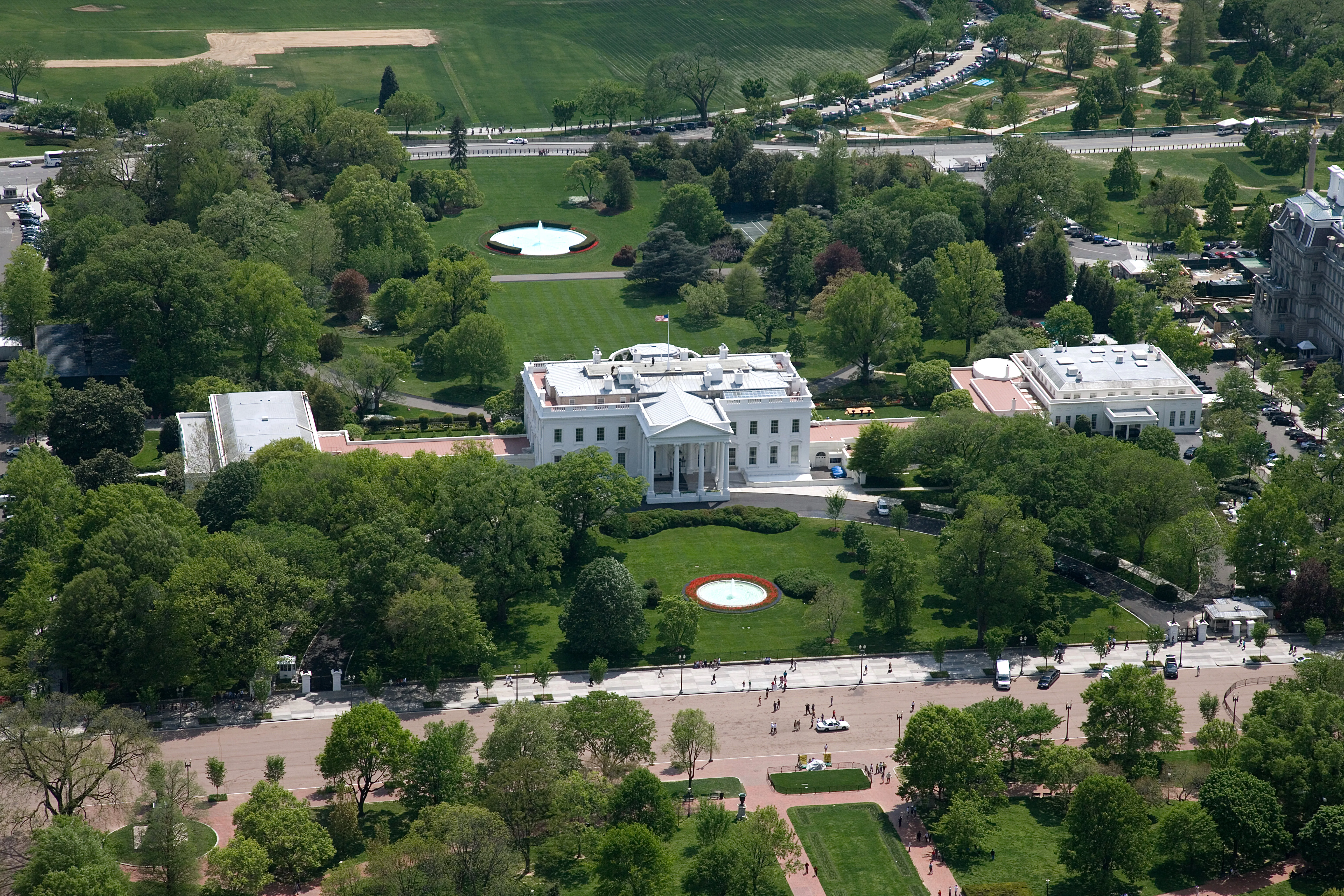
Archival aerial photograph of the White House by Carol M. Highsmith, April 30 2007, in the public domain. Credit to Carol M. Highsmith’s America, Library of Congress, Prints and Photographs Division. The Library’s item record identifies no known publication restrictions. Downloaded photograph unchanged.