Google Data Agent Kit reaches GA with broader database support
Google Data Agent Kit adds graph, Bigtable and Spark workflows, with practical limits on permissions, authentication and pipeline deployment

Google made Data Agent Kit generally available on September 30, giving coding assistants a packaged way to work with Google Cloud data services. The announcement combines Model Context Protocol tools with reusable skills and adds BigQuery Graph, Bigtable and Managed Service for Apache Spark access to Lakehouse tables.
What the release adds
For BigQuery Graph, Google says the kit can map tables into relationships, check those relationships against the data and present a plan for approval before creating the graph.
The kit carries no additional charge. Customers still pay for the Google Cloud services their agents use.
The official plugin repository supports Antigravity CLI, Claude Code, Codex CLI and other compatible clients. An IDE extension provides a separate route for editors such as VS Code and Cursor. The plugin requires Node.js and an authenticated Google Cloud CLI.
Permissions matter before the first query
Google’s repository recommends service account impersonation, narrowly assigned roles and project boundaries. The agent can execute commands and tools on the user’s behalf, so the account it uses determines how far a mistaken instruction can reach.
The repository also discloses usage statistics for skills and MCP tools. It says this collection excludes user code, file contents and application data values, and documents settings for disabling telemetry.
Check the workflow limits
The product overview lists two practical restrictions. AlloyDB supports IAM database authentication only, while Cloud SQL also supports its own database authentication. Automated deployment of orchestration pipelines works only with GitHub Actions. Teams using another deployment system should check how much of their workflow remains manual.
A sensible first trial is one familiar query against a limited dataset. Compare the result with a known answer, inspect the generated SQL and record its cost. Expand access only after the team understands what the agent can read and change.
For the related problem of observing an agent after deployment, see our coverage of Cloud Trace integration with Agent Gateway.
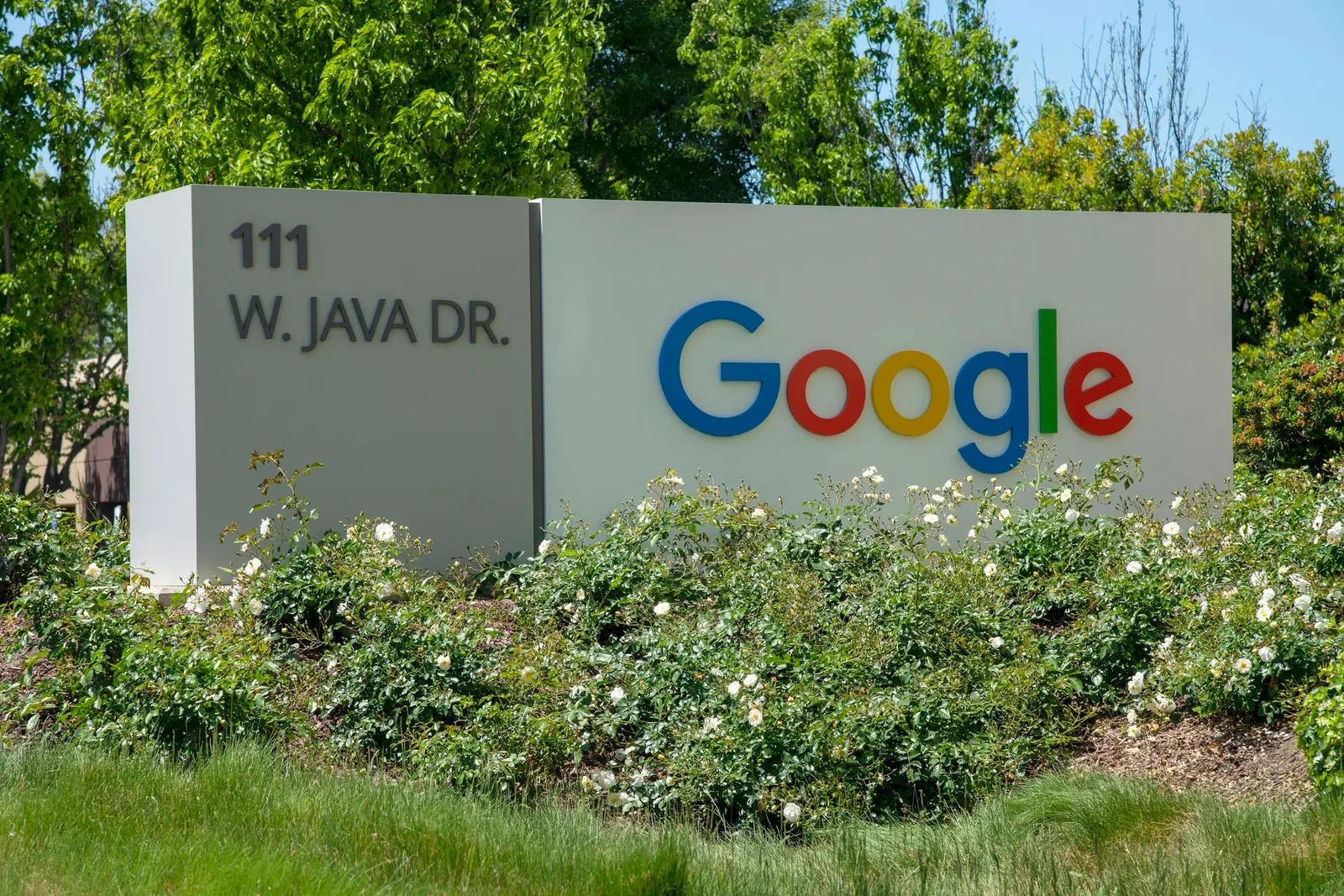
Archival Google office photograph by Greg Bulla on Unsplash, used under the Unsplash License. The image shows Google offices in Sunnyvale, California.



[…] Related coverage explores Google’s Data Agent Kit database tools. […]